
 E-Paper



India and Bangladesh: A sibling, and some rivalry, to the east


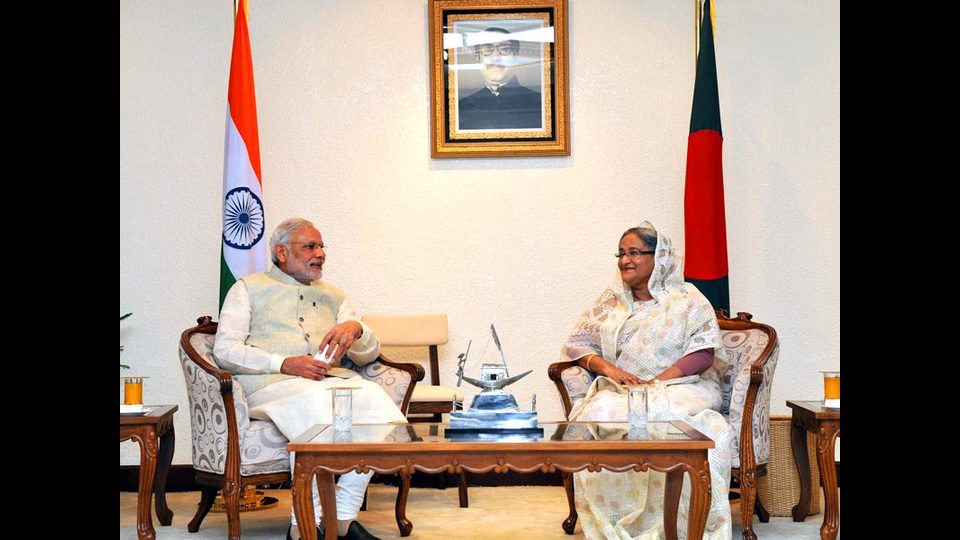
This carefully nurtured relationship sees hiccups, as all relationships do. There have been upsets over onions and vaccines, joy over new lines of credit. The ties that bind never waver.
From village tea shops to plush clubs in Dhaka, no political conversation in Bangladesh is complete without mention of India.
Bangladeshis, who feel indebted to their giant neighbour for its total support in Bangladesh’s 1971 War of Liberation, applauded when New Delhi sent the first doses of Covid-19 vaccines to Dhaka in February this year. The same Bangladeshis were upset and wondered if India really cared for their welfare, when vaccine supplies were halted. The mood of Bangladeshis with regard to their largest neighbour fluctuates from positive to critical on issues that governments and diplomats in both capitals tend to brush aside as not so significant.
At the political level, India and Bangladesh currently enjoy the best relations, with Prime Minister (PM) Narendra Modi hailing this country as a “major pillar of our ‘Neighbourhood First’ policy”. Responding with the same warmth, Bangladesh PM Sheikh Hasina calls India a true friend of her country and expresses deep gratitude for New Delhi’s support in helping Bangladesh gain independence from Pakistan in 1971.
The credit for elevating bilateral relations goes to the leaders of both countries, but more so to Sheikh Hasina, who made bold decisions such as expelling Indian rebel groups from the northeast from the soil of Bangladesh. She has remained a steadfast friend of India, taking care of pressing issues such as transshipment facilities and building a network of connectivity through roads, railways and rivers. In an important development, Sheikh Hasina has also stopped mounting any serious pressure on New Delhi to settle the dispute over the sharing of the Teesta River water, braving strong criticism from her own people.
Both countries have benefited from the stable ties. Bilateral trade has increased, with India’s annual exports reaching $10 billion and imports from Dhaka amounting to a little over $1 billion. Over the years, India has announced three lines of credit worth a total of about $8 billion (though disbursement, admittedly, has been slow).
India has now become a most favoured destination for Bangladeshis, who travel to the country for medical treatment, leisure and tourism. India, which has the largest overseas visa applications centre in Dhaka, issues an average of 1.5 million visas to Bangladeshis a year.
This good political rapport and increased people-to-people contacts should have removed a long-held perception among many ordinary Bangladeshis that India takes more from Bangladesh than it gives. But public perception does not always reflect the true picture, and this sentiment continues to thrive among the Bangladeshis.
Consider how Bangladeshis felt when India recently made an abrupt decision to stop the export of onions when they needed it the most. The move forced Dhaka to go onion-shopping even to Pakistan, a move made quite reluctantly considering the bad blood between the two States. That happened in 2019, just before Sheikh Hasina went to New Delhi to attend a business summit in the first week of October. Referring to the ban, she quipped: “I have told my cook to stop using onions.”
To many Bangladeshis, this reflected India’s somewhat erratic behaviour. Ask the average person on the street about their feelings towards India, and they will likely refer to New Delhi’s failure to keep its commitment of bringing down killings by the Border Security Force (BSF) to zero. The memory of 15-year-old Bangladeshi girl Felani Khatun, killed in 2011 by BSF, while stuck in barbed wire, still haunts many Bangladeshis.
But focusing on the negative would present an incomplete picture of how Bangladeshis feel about India, as its big neighbour marks the beginning of celebrations to mark 75 years of independence. Despite the kinds of issues that are not uncommon between neighbours, India remains the most trusted friend of Bangladesh and its people. The relationship that was forged in the bloody battlefield of 1971 is flourishing, overcoming occasional hiccups. Most Bangladeshis admire India for its uninterrupted journey of democracy, and for the values of secularism it has upheld. Monjurul Ahsan Bulbul, a senior Bangladeshi journalist, echoed this mood to me recently, saying: “As India celebrates its independence we feel it is our festival too.”
(Farid Hossain is a Bangladeshi journalist)
The views expressed are personal.


