
 E-Paper



It's heartening to see singles find love in new little ways, says Simran Mangharam

 Prefer HTon Google


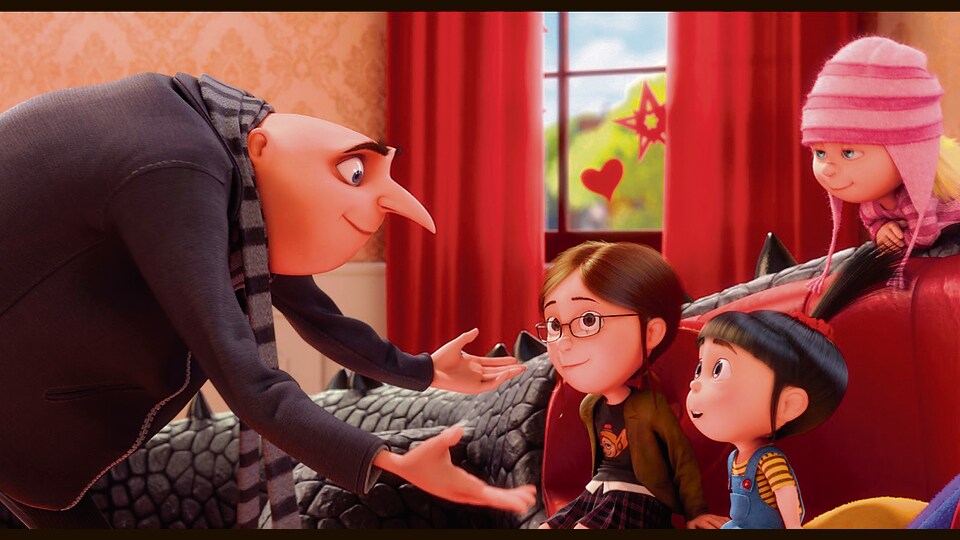
Adoption is allowing singles to build families of their own. It isn’t easy. It makes dating harder. But then, the course of true love never did run smooth.
There is a tribe of people in their 40s who have come to terms with not finding a life partner. They are open to different types of relationships. They either did not ever seek marriage, or have made their peace with not finding their way to long-term commitment.
The one thing many do still seek is an anchor in their lives that can lend purpose to their everyday, be the recipient of the love they hold, and constitute, essentially, their family.
For a growing number of single people, adoption is proving to be the path to such an anchor. While it can feel lonely being a single parent, one is certainly never alone.
It has been heartening, in recent years, to see clients find love in this way.
One such woman, let’s call her Lisa, is a journalist in her mid-40s who lives with her parents in Delhi. She emerged from the pandemic determined to take what felt like the next step for her: that of adoption. It took her over a year to win her parents over to the idea.
As she waits her turn, having filed her paperwork, Lisa is preparing for life as a mother. She is reorganising her finances, researching schools, breaking the idea to friends and family.
She came to me with questions about dating. As the single mother of an adopted child, how should she do things differently, she asked. I decided to connect her with another client of mine, a 50-year-old named Anita, who has been a single adoptive parent for 13 years.
Their conversations have been enlightening. Anita has been honest and candid about what life as a parent, particularly a single parent, can be like. With an adopted child, she pointed out, the tangles can be crueller.
Navigating the neighbourhood and community can be particularly tricky. People, even other parents at school, may directly ask your child, “Beta, what happened to your papa,” Anita warned. Support groups for adoptive parents can help one figure out, early on, how to handle such situations. (There is no perfect answer, of course; and especially to an adopted child, the question can be traumatic.)
To Lisa’s original questions about dating, Anita pointed out that any sort of relationship would have to be put on hold for as long as it took to bond with the child and make them feel secure. “I couldn’t even think of bringing another person into this equation for at least a couple of years,” she added.
The joy that her daughter has brought into her life is undeniable, she said. They are a family; it is the family she always wanted. But there is no Hollywood-style turning point after which everything turns rosy.
She and her child, who is now 14, are currently in counselling together, for instance, as they try to work out communication issues that have emerged in her daughter’s teen years. “I sometimes don’t know how to react to the ways in which she acts out, and counselling is helping with that,” she said. (Incidentally, I would recommend counselling to all families at the teen stage, in our complicated times.)
Through it all, Anita said, her child has filled her life with love, meaning and a sense of purpose. As much as she had been looking forward to it, building her family turned out to be more fulfilling than she had expected.
To wake up with the person one adores, exchange little acts of kindness through the day, navigate the squabbles and annoyances together: that is, after all, what true love is, in any of its forms.
(Simran Mangharam is a dating and relationship coach and can be reached on simran@floh.in)


