
 E-Paper



Formal dining rooms disappearing from Indian homes? Designer reveals 3 practical alternatives

 Prefer HTon Google


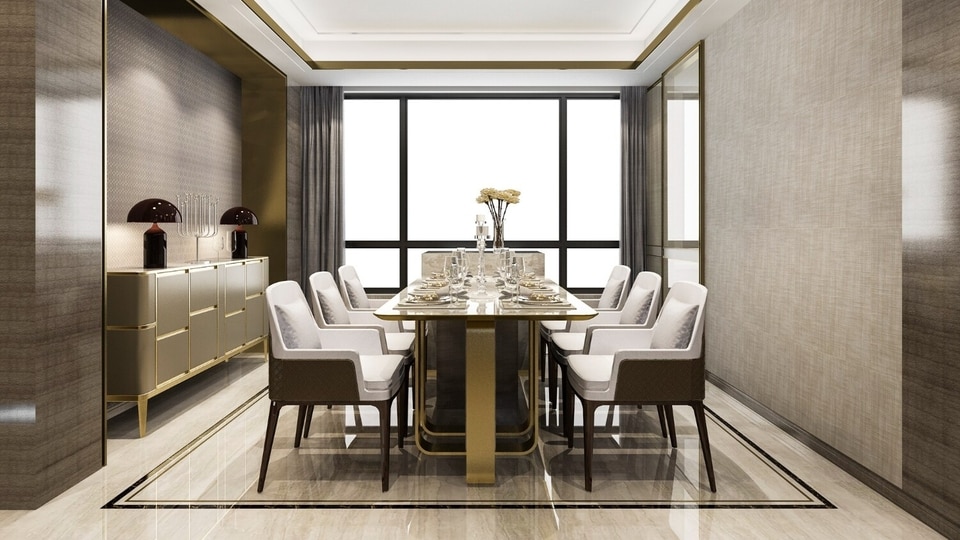
Young Indians are moving away from Indian dining rooms as eating habits become more casual. Find out what is replacing these traditional spaces.
The dining room was once revered as the heart of Indian homes, serving several important functions, from hosting everyday family meals to festive gatherings and elaborate dinners. But this is slowly changing, as formal dining rooms are disappearing from Indian homes. More and more homeowners are using this space differently, switching to alternatives that better suit their contemporary lifestyles. So, what is causing this design shift?
Monica Chawla, co-founder and creative director of Essentia Group, told HT Lifestyle that the perception of formal dining rooms is changing. Once considered aspirational, these spaces typically featured a long, polished table, a matching set of high-backed chairs, and a cabinet displaying the finest crockery, brought out only for guests. Today, she believed, homeowners are questioning whether such space fits the way they live now.
Based on her industry experience, Monica has observed this shift firsthand. She said, "The earlier formal dining room stood for aspiration and for a certain idea of how a family ought to gather. Yet across the homes I design today, this room is being quietly written out of the plan. Having spent over two decades shaping residential spaces in India, I see its decline as one of the clearest signals of how the country now chooses to live.”
Why is the dining room disappearing?
There are several reasons why formal dining rooms are disappearing from Indian homes. The designer attributed this shift to smaller families, increasingly compact urban homes, and more informal lifestyles. Let's take a closer look at each of these factors.
1. Families are becoming smaller
“Families are smaller now. The joint family that once seated twelve at dinner has, in most cities, given way to compact nuclear units, often just a couple or a small family of three or four," Monica said. And it makes sense as large tables and separate dining rooms may no longer suit the daily needs of smaller households. As per the expert, it begins to feel like a waste.
2. Space has become a luxury
Urban homes are becoming more compact, so it is again not logical to dedicate an entire room to having meals.
Monica emphasised that space itself has become a luxury, “Homes in our metros are not growing, and every square foot now has to earn its keep. Younger buyers are unwilling to surrender a generous chunk of their floor plan to a room that stays dark six days a week. If a space cannot justify itself, it does not survive the plan."
3. Eating habits are more casual
The formality traditionally linked to mealtimes is slowly fading. Because of this, the usage of space is also changing. Monica observed that people now prefer eating on a comfortable sofa while watching television or catching up on a show. As a result, meals have become more relaxed than being treated as formal occasions. "The ritual of everyone arriving at a fixed hour to sit upright at a formal table has faded. Meals have become fluid,” she said.
4. Rooms are expected to multitask
Lastly, versatility and adaptability have become important considerations, with rooms now expected to multitask. “The same corner that holds breakfast may become a home office by mid-morning, a child’s play area by afternoon, and a workout zone before dinner,” the designer added.
Monica also noticed that this shift became evident with the rise of remote and hybrid work. This is why homeowners now prefer adaptable spaces rather than strictly dedicating an entire room to a single purpose or occasional use.
It may seem like a loss, with an entire room disappearing from the floor plan, but the designer assured that this shift may actually work in your favour.
What are the alternatives?
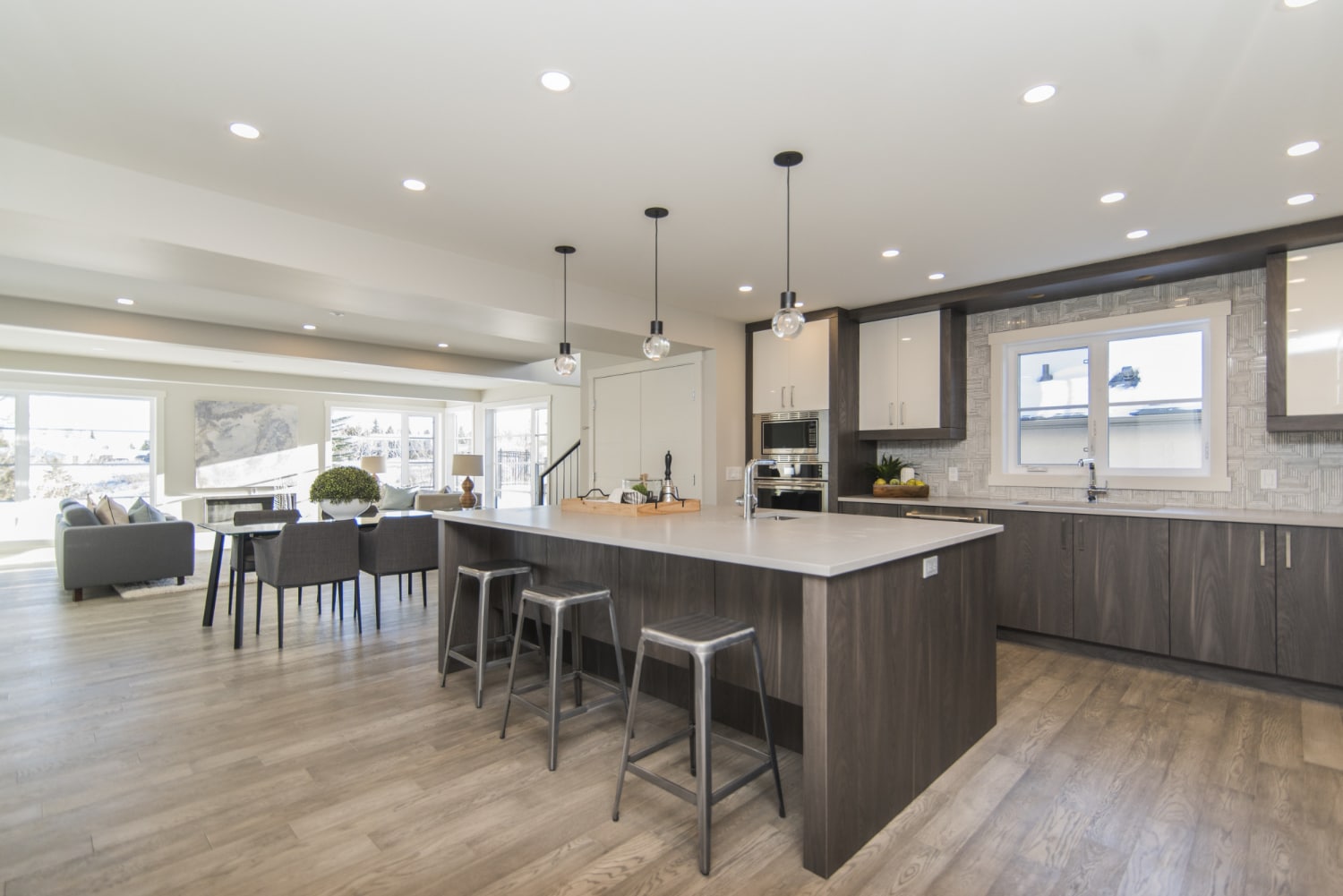
Here are the alternatives she mentioned, which are slowly replacing the formal dining room:
1. Kitchen islands:
- Fitted with a few stools, they can be used for eating breakfast, helping children with homework, or socialising with friends while preparing food.
- It allows the person who is cooking to be involved in family conversations.
2. Coffee tables
- This setup is again versatile, relaxed, and unfussy. Up to the homeowners, how they want to use.
- The low living room table is now not only for magazines and snacks. Now it can help to multitask, from movie-night meals, weekend lunches, to casual dinners on the sofa.
3. Flexible furniture
- Extendable tables, folding desks, tuck-away benches, and storage units work as seating and adapt to different needs and occasions.
- Furniture is no longer a fixed set of objects standing in a fixed room.


