
 E-Paper



Once upon a time in Kalina: Tales from a Mumbai neighbourhood

 Prefer HTon Google



Fox hunts, howling jackals, fields, ponds and a thriving settlement — Kole Kalyan presents a different side of old-time Bombay.
In the suburb of Kalina, now abutting the Mumbai airport, residents were once kept up by the howling of jackals and foxes. It’s how the area got its name: Kole Kalyan, Marathi for abode of foxes (kolhe). In the 16th century, when the Portuguese arrived to trade and proselytise, Kole Kalyan became Cole Caliana and then Callina. Fr Milton Gonsalves draws on both the then and the now in his book, Kole Kalyan or Kalina, a slim volume on the history of this suburban region.
The 79-year-old priest is currently posted at the Holy Cross Church in Kurla, where he is working on his next book, about Dharavi Island (home to the seaside town of Manori). He’s made quite a habit of this, having written three previous books on the East Indian communities in different pockets of Mumbai (East Indian is the name given to original inhabitants of Bombay who converted to Christianity soon after the arrival of the Portuguese, to distinguish them from Catholics migrating to Bombay from places like Goa). Fr Gonsalves has written a fourth book on ancient pilgrimage sites in Mumbai, and a fifth on the fringe suburb of Bhayandar, where he grew up.
Kole Kalyan begins its tale 400 years ago, when Kalina was an idyllic place of large fields, ponds and estuaries flowing into the Mithi River, which wasn’t then the large sewer it is today, but a vibrant water body used for navigation, transportation and fishing.
The book is set in two areas that retain their names — Kalina or Big Village and Kolivery Village. The Church of Our Lady of Egypt — built in 1606 by a Franciscan missionary who arrived via the Mithi River — still stands between these two areas. “I was posted there in 1972,” Fr Gonsalves says. “The residents there were traditionally fisherfolk, farmers and Bhandaris (originally warriors, later toddy tappers), and the Mithi River was once crucial to the livelihoods of all.”
In the 17th century, some Kolivery villagers were employed as foxhunters by the British and were called Colea Maru. “Even then, the foxes were still there,” Fr Gonsalves says. “Hunting became a pastime of the British soldiers posted at the Kalina military camp, which still stands. November-end used to see the beginning of preparations for the hunts. Thursday and Sunday mornings were for hunting. Hunters assembled at dawn with their horses and hounds. The hunts began at first light and ended by 8.30 am.”
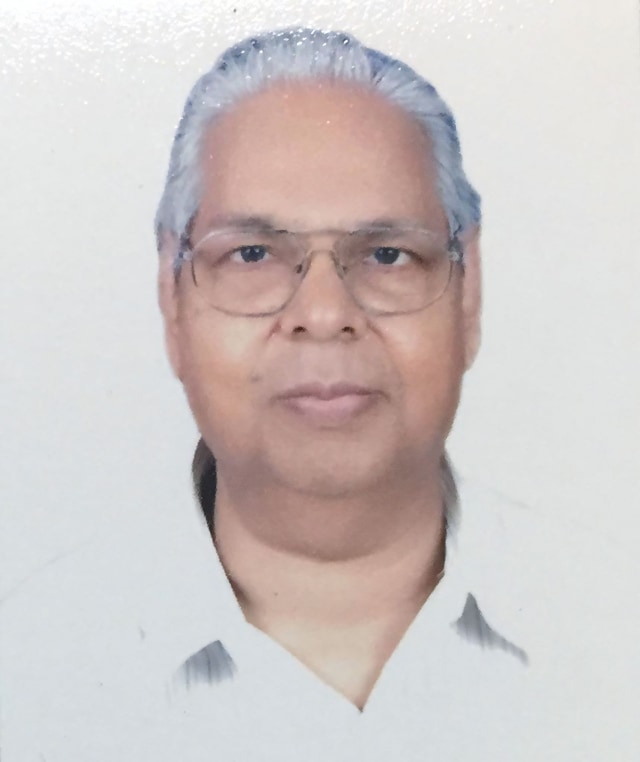
For his sources, Fr Gonsalves conducts extensive interviews with parishioners and other local families who have roots here. As in regions such as Goa, many of these families live on land their families have occupied for centuries, and can trace their roots all the way back to the Hindu names they had before they converted.
Today, Kalina is a random mix of middle-class housing and slums, commercial buildings and low-cost rental homes for youngsters moving to Mumbai from across the country. The paddy fields have been replaced by the runways of the international airport and the Kalina campus of the University of Mumbai.
But in the still-winding lanes of what were once villages, ancient customs are still observed and festivals celebrated. The book describes some of these — such as the recipe for hand-bread (similar to the Maharashtrian rice-flour bhakri, but flattened by hand) and the observance of the pre-wedding ritual called Umbracha Pani (literally, water from the fig tree, which is considered a symbol of fertility).
“East Indian wedding customs continue as they were in the villages,” Fr Gonsalves says. At the Umbracha Pani, relatives of the bride and groom dance in a procession to fetch water from a well in the vicinity of an umbar (Indian fig tree), to bathe the bride and groom with before they wed. “With no wells around, these days the procession makes its way to a nearby relative or friend’s house. It’s usually accompanied by the local brass band, and followed by an evening of song and dance.”
(Kole Kalyan, released on March 13, is printed and distributed by the NGO Mobai Gaothan Panchayat and is available at mobaikar.in)


