E-Paper



Read: How to grow tabletop mushrooms, via a recipe from Ikea’s Space10 lab

 Prefer HTon Google


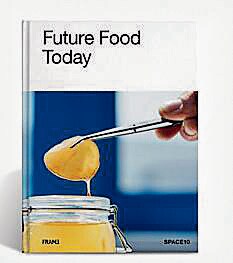
The recipe sits in the book Future Food Today, which was compiled to challenge notions around food, and demonstrate how we can eat sustainably right now.
What does the future of food look like? In a world threatened by frequent droughts, floods, crop failure, loss of biodiversity, and lack of food security, what should we eat? And more importantly, how should we eat? These are questions that simmered in chef Simon Perez’s mind as he experimented at Copenhagen-based design, research and innovation company Space10’s food lab.
The result is Future Food Today, a “future-proof” cookbook developed with Perez, and creative studio Barkas in 2019.
The book swaps unsustainable sources of protein such as red meat for nutrient-rich microalgae, insects, food waste and other low-impact ingredients. A winner of the Gourmand World Cookbook Award in the Most Innovative Cookbook category, the title offers about 20 recipes for dishes such as a seaweed-based salad with crispy rye crumble, spirulina powder and rice chips; a mole fish taco, made with fillets of perch (that can be fished out of a home-bred aquaponic system), with a mole from crushed pea sprouts and a salsa verde; a bug burger made of mealworms, parsnip, beetroot, mushroom and potato; and Swedish meatballs, made with root vegetables and legumes.
The recipes were developed by Perez while working at Space10’s food lab, which contained a hydroponic farm, an aquaponics system and a bioreactor that produced the algae-based food supplement spirulina.
The book offers pointers on how to raise some of the produce too. The recipes were designed to include meals, party treats and no-waste snacks that would be sustainable, Caspersen says, and challenge existing notions around food.
Try your hand at growing tabletop mushrooms with this recipe from the book.
Materials
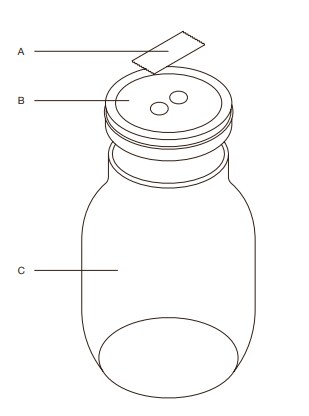
Microporous tape (A). Find this at your local pharmacy.
Airtight lid (B). We use a metal, screw-on lid — it’s easier to drill through than glass.
A big glass jar (C).
Spent coffee grounds. Make sure you let the coffee grounds cool down, otherwise the heat will kill the mycelium when you mix the two together.
Mycelium. Mycelium is the vegetative structure of fungi. It typically grows in a web-like pattern in soil or other organic matter (like a bowl of food you forgot at the back of your fridge). To find this, get in touch with local mushroom farmers or make your own. We suggest doing a little online research beforehand if you decide to go DIY.
Instructions
Step 1: When growing mushrooms, sanitation is key. So before you begin, thoroughly wash your hands with soap and hand sanitiser.
Step 2: Drill two holes in the lid (B), about 20 mm in diameter each (as shown above). To avoid messy edges on a metal lid, sandwich the metal between two pieces of scrap wood, clamp the whole thing to a work table, then drill through the wood and metal in one go. Search for more detail online if you’re uncertain.
Step 3: Next, sterilise the lid and jar (C) by submerging them in boiling water for about one minute. Dry, then cover the two holes in the lid with microporous tape (A) to make sure bacteria can’t get in.
Step 4: Mix the mycelium and your freshly brewed coffee grounds in the jar, cover, and store in a dark place. Keep the temperature at 20–25°C for 2–3 days, until the grounds are completely covered with white mycelium. Then add 1–2 cm of freshly brewed coffee grounds and wait for the mycelium to cover it up once again. Proceed until the jar is filled with coffee grounds.
Step 5: When the last coffee grounds have turned white, place the jar in a humid and light place at about 15–20°C. Avoid direct sunlight. After 10–14 days, the oyster mushrooms will pop up from the holes of the lid, forcing away the microporous tape. If the tape doesn’t come off on its own, give the mushrooms a little help.
Step 6: Harvest when there’s a cluster of oyster mushrooms and the heads appear horizontal. After the second or third harvest, the jar won’t produce any more mushrooms. Remove 80 percent of the substrate, put on new microporous tape and add fresh coffee grounds to the jar. Now you’re ready for a second round.