
 E-Paper



Wood to iron to steel: The ancient history of the track

 Prefer HTon Google


The first steam-powered passenger train took off 200 years ago, transforming long-distance travel. But the track itself is ancient. Take a look.
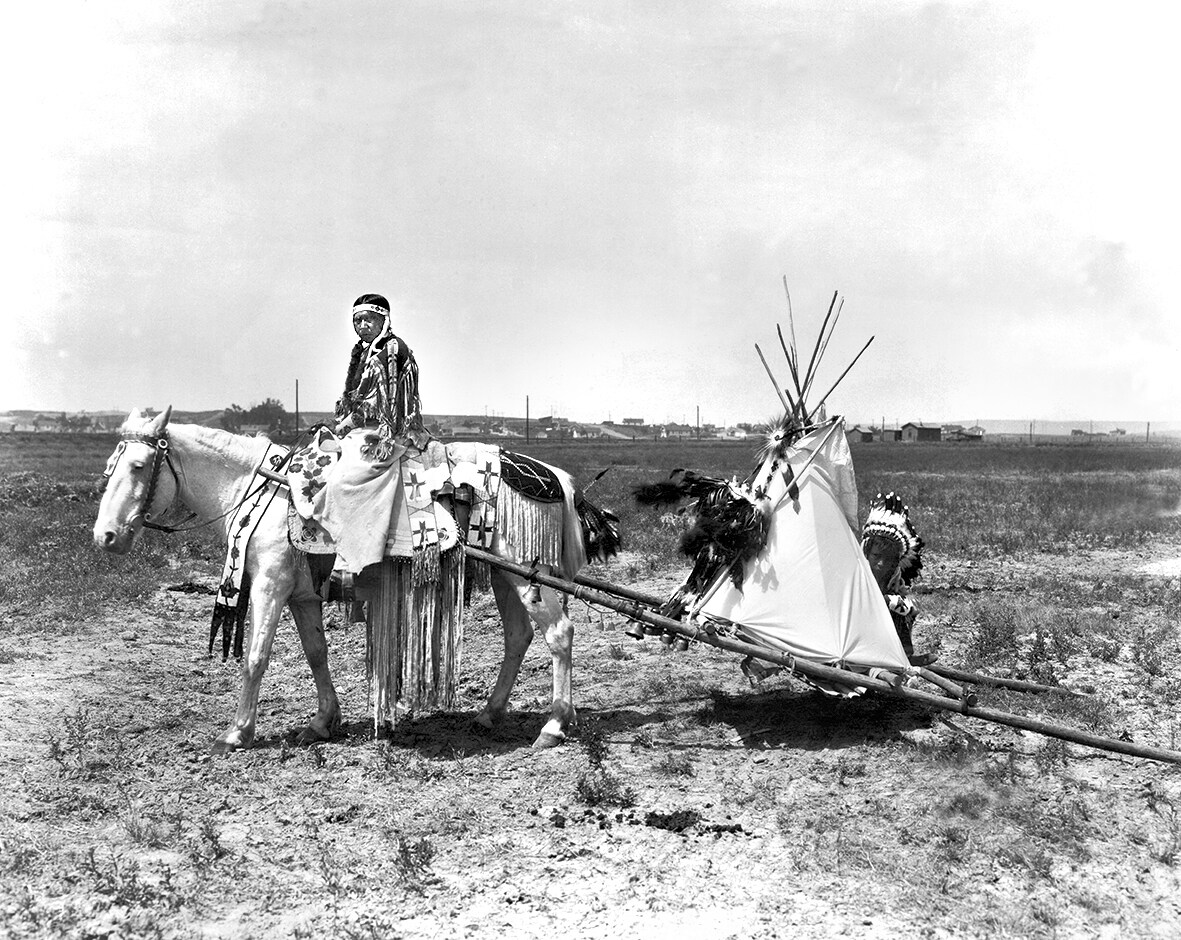
Humans have been using tracks, of one kind or another, for over 20,000 years. Travois, for instance, were used to drag heavy loads. These were two wooden poles used to form a sort of sledge, that could be loaded with heavy materials, and dragged by humans, or by dogs or horses.
The earliest travois tracks, found in New Mexico, date to 22,000 years ago, predating agriculture and settled living. For a largely migratory species, such transport would have been vital.
By the time of Ancient Greece, track-based transport was getting rapid upgrades. But first…
The Sweet Track, England, 3800 BCE
Buried in the bogs of Somerset, England, is a network of wooden logs that was once used by Neolithic humans, to cut across this marshy ground.
Now called the Sweet Track, after Ray Sweet, who discovered it while working on an excavation project there in 1970, the tracks are believed to date to 3800 BCE. Local timber was used to create the layers of interlocked beams, which remained intact, over the millennia, because of the low oxygen levels in the bog.
The Diolkos, Greece, 6th century BCE
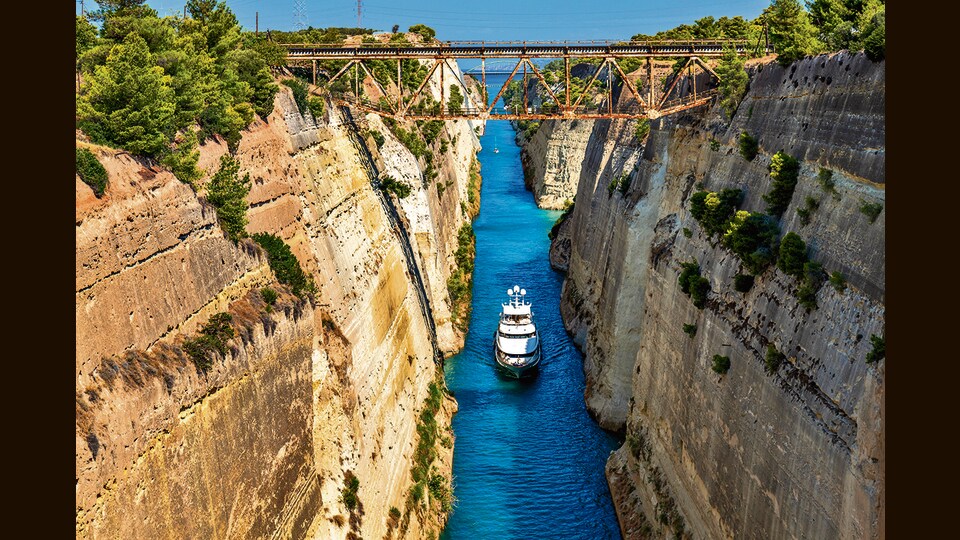
Built across the narrow Isthmus of Corinth, the Diolkos was a paved 6-km trackway along which ships could be dragged overland, on wheels, from the Ionian Sea to the Aegean Sea. The Diolkos tracks were paved with stone, the wheels fitting into grooves cut into the surface.
These tracks were also used to move goods such as timber and marble from one coast to the other. The convenient shortcut also meant that precious cargo, and crew, didn’t have to weather the treacherous waters of the Peloponnese peninsula.
The Diolkos remained in use for about 1,500 years, all the way to the 9th century. At this point, attempts to replace it with a canal, and the rise of other modes of transport, saw the ancient channel fall out of favour.
In 1893, work on that long-envisioned canal was finally completed. Ships now use the canal to move from coast to coast across this narrow isthmus.
Iron wagonways, Germany, 17th century CE
The wagonway, a system of tracks and wheeled wagons, is said to have first been used to transport material from mines to distant depots, in Germany. Originally, the tracks, wagons and wheels were all made of timber. By the 17th century, wood was being replaced by iron, making the transport of coal and limestone and other ores smoother and quicker. These rakes, wood and iron, were pulled by horses.
Steel tracks, 19th century
As smelting technology improved and iron became cheaper, this metal began to be used in mining wagonways across Europe. By the 1850s, steel, a refined alloy of iron, then took over. It proved to be more cost-effective and far more durable.
Steel remains the material used in most railway lines today.
Animal-drawn trains, 19th century
As tracks began to be laid around the world, for public trains that could ferry goods and people, the early rakes here were pulled by horses too. Horses continued to be employed long after an engine pulled the first-ever steam-powered passenger train from Stockton to Darlington, in 1825.


