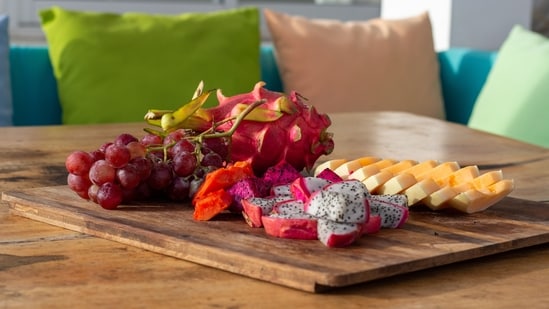
It is often advised to eat fruit soon after cutting it, as prolonged exposure to air can cause it to change colour and lose some of its freshness. But why exactly does cut fruit turn brown, and does this colour change affect its nutritional value? In this edition of ‘Everyday Explained,’ HT lifestyle spoke to Dr Nethra N, consultant in internal medicine at Manipal Hospitals, Electronic City, Bangalore, to understand the reason behind this.
Why does cut fruit turn brown?
According to Dr Nethra, the browning of cut fruits is primarily a natural chemical process known as enzymatic browning. When a fruit is cut, peeled or bruised, its internal cells are damaged, allowing an enzyme called polyphenol oxidase (PPO) to come into contact with oxygen in the air.
This interaction triggers the oxidation of naturally occurring phenolic compounds in the fruit, producing substances called quinones, which eventually form brown pigments known as melanins. This is why fruits such as apples, bananas, pears and avocados begin turning brown shortly after being exposed to air.
{{/usCountry}}This interaction triggers the oxidation of naturally occurring phenolic compounds in the fruit, producing substances called quinones, which eventually form brown pigments known as melanins. This is why fruits such as apples, bananas, pears and avocados begin turning brown shortly after being exposed to air.
{{/usCountry}}Does it make the fruit less nutritious?
“From a nutritional perspective, browning does not automatically mean that the fruit has become unsafe or has lost all its nutritional value,” highlighted Dr Nethra. Most of the essential nutrients, including dietary fibre, carbohydrates, minerals and several antioxidants, remain largely intact during the initial stages of browning. However, prolonged exposure to oxygen, light and room temperature can gradually affect certain sensitive nutrients, particularly vitamin C and some polyphenolic antioxidants. The extent of this loss depends on the fruit, how it is stored and how long it remains exposed.
Dr Nethra highlighted that it is also important to distinguish between enzymatic browning and microbial spoilage. A slightly brown apple or banana is generally safe to consume if it has been stored appropriately and does not show signs of spoilage. However, fruits that develop an unusual smell, slimy texture, visible mould or signs of fermentation should be discarded. Browning alone is not an indicator of bacterial contamination.
How to prevent browning?
To slow down browning, a few simple measures can help. Adding a small amount of lemon juice works because its acidity reduces the activity of the browning enzyme. Vitamin C in lemon juice also acts as an antioxidant, slowing oxidation. Keeping cut fruits in an airtight container, refrigerating them promptly and minimising their exposure to air can further preserve their quality and nutritional content.
“Ideally, cut fruits should be consumed as soon as possible after preparation. However, there is no need to discard fruit simply because its surface has turned brown,” said Dr Nethra. From a nutritional standpoint, eating a slightly browned fruit is considerably better than avoiding fruit altogether. What matters most is maintaining regular fruit consumption as part of a balanced diet rather than being overly concerned about minor changes in appearance.
Note to readers: This article is for informational purposes only and not a substitute for professional medical advice. Always seek the advice of your doctor with any questions about a medical condition.