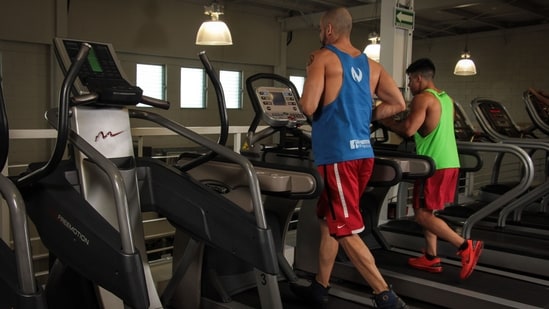
World Health Organisation (WHO) released a June 2024 guideline underscoring a stark public health reality: the combined rise of physical inactivity and sedentary lifestyles is fueling noncommunicable diseases (NCDs) globally, placing an escalating burden on healthcare systems. Also read | 5 incredible health benefits of exercising in the morning: Weight management to mental clarity
Move more, live longer
WHO defined physical activity as any bodily movement produced by skeletal muscles that requires energy expenditure. This encompasses all movement — whether during leisure time, for transportation, or as part of work and domestic duties.
Per WHO, both moderate and vigorous intensity activities offer health benefits, with accessible options including walking, cycling, wheeling, sports, active recreation, and play. According to the health agency, movement can be undertaken at any skill level and enjoyed by everyone.
Conversely, physical inactivity remained a leading risk factor for NCD mortality. Individuals who are insufficiently active face a 20 percent to 30 percent increased risk of death compared to those who meet physical activity standards.
Distinct health impacts across lifespans
WHO detailed wide-ranging benefits for those maintaining regular physical activity, alongside distinct risks associated with sedentary behaviour — defined as any period of low energy expenditure while awake, such as sitting, reclining, or lying down. Modern lifestyles are becoming increasingly sedentary due to motorised transport and screen use for work, education, and recreation, the WHO highlighted.
{{/usCountry}}WHO detailed wide-ranging benefits for those maintaining regular physical activity, alongside distinct risks associated with sedentary behaviour — defined as any period of low energy expenditure while awake, such as sitting, reclining, or lying down. Modern lifestyles are becoming increasingly sedentary due to motorised transport and screen use for work, education, and recreation, the WHO highlighted.
{{/usCountry}}⦿ Children and adolescents: regular movement improves physical fitness, cardiometabolic health, bone health, cognitive outcomes, mental health, and body fat levels. Conversely, higher sedentary time correlates with increased adiposity, reduced sleep duration, and poorer fitness, cardiometabolic health, and prosocial behaviour.
⦿ Adults and older adults: activity reduces the risk of all-cause mortality, cardiovascular disease mortality, incident hypertension, site-specific cancers, type-2 diabetes, and falls, while improving mental health, cognitive function, sleep, and body fat measures. High levels of sedentary behaviour increase all-cause, cardiovascular, and cancer mortality, as well as the incidence of cardiovascular disease, cancer, and type-2 diabetes.
⦿ Pregnant and postpartum women: physical activity lowers the risk of pre-eclampsia, gestational hypertension, gestational diabetes, excessive gestational weight gain, delivery complications, postpartum depression, and newborn complications. The agency notes that exercise poses no adverse effects on birthweight or stillbirth risks.
The WHO global guidelines on physical activity and sedentary behaviour outlined specific recommendations on frequency, intensity, and duration for individuals aged 5 and older, including those with chronic conditions or disabilities. The core message highlighted that any amount of physical activity is better than none, all activity counts, every age group should limit sedentary time, and muscle-strengthening benefits everyone.
A dedicated guideline for children under five-years-old further provided 24-hour recommendations balancing physical activity, sleep, and strict limits on screen-based sedentary time or physical restraint.
Note to readers: This article is for informational purposes only and not a substitute for professional medical advice. Always seek the advice of your doctor with any questions about a medical condition.
Catch your daily dose of Fashion, Taylor Swift, Health, Festivals, Travel, Relationship, Recipe and all the other Latest Lifestyle News on Hindustan Times Website and APPs.
Catch your daily dose of Fashion, Taylor Swift, Health, Festivals, Travel, Relationship, Recipe and all the other Latest Lifestyle News on Hindustan Times Website and APPs.