
 E-Paper



Australian psychologist shares radical self-talk hack for better mental health in 2026: 'The way you speak to...'

 Prefer HTon Google


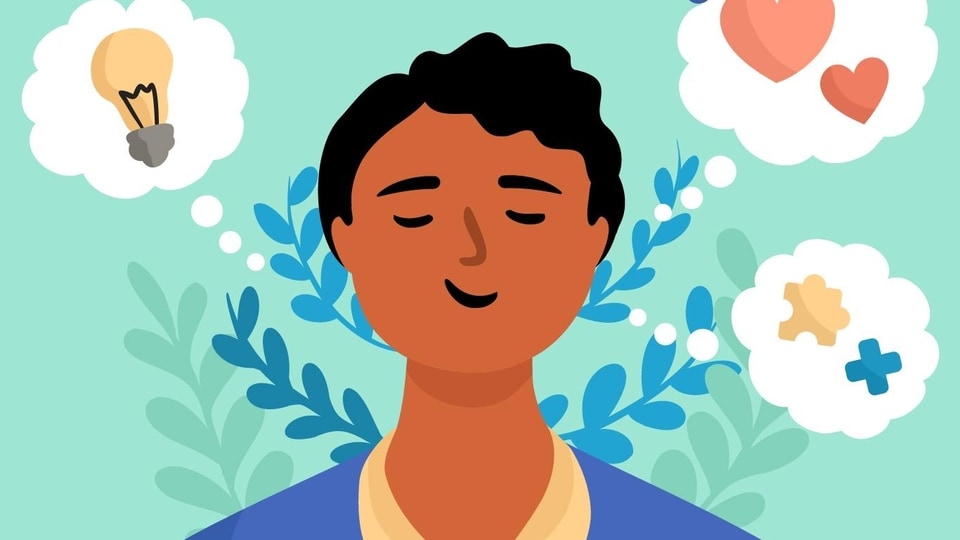
Don’t believe your thoughts – instead, use this psychology hack to rewire your brain and protect your mental health, according to psychologist Millie Hardie.
In a digital age where 'hustle culture' often dominates our mental landscape, Australian psychologist and content creator Millie Hardie is issuing a wake-up call: the way you speak to yourself is literally physically altering your brain. Also read | Psychologist shares 10 daily habits to boost mental health in 2026: Show your emotions, but with some boundaries
In an Instagram video she posted on March 8, 2026, she 'spilt the tea' on the mechanics of neuroplasticity, challenging the common misconception that internal monologues are just 'harmless' background noise.
The science of the familiar
According to Millie, the human brain isn't an objective truth-seeker; it's a pattern-recognition machine. "I’m a psychologist. It took me 10 years to learn this. I’ll teach you in under a minute. It believes what’s familiar. And what becomes familiar? What you repeat," Millie said.
This 'familiarity' creates a physiological loop. Millie argued that your internal dialogue acts as a blueprint for your entire lived experience:
⦿ Thoughts shape your feelings.
⦿ Feelings drive your actions.
⦿ Actions shape your identity.
Why 'self-talk is not harmless'
The danger lies in the 'wiring' process. Millie warned that self-deprecation or constant internal criticism isn't just a bad habit — it's a form of mental programming.
"Say something often enough, with emotion, and your brain starts wiring around it," Millie noted. "That’s why self-talk isn’t harmless. It’s powerful. The way you speak to yourself becomes the way you feel about yourself," she added.
Ultimately, this internal narrative spills over into reality. As Millie put it: "Your life often reflects who you believe you are."
Visualisation as a 'rehearsal'
While the risks of negative self-talk are high, the upside of neuroplasticity offers a path toward mental wellness. Millie suggested that because the brain 'doesn’t fully distinguish between real and imagined', we can use visualisation as a tool for growth. "Visualising the calm, confident, capable version of you? That’s not fluff. It’s a rehearsal," she said.
Taking control of the 'visitors'
Perhaps the most empowering takeaway for those struggling with intrusive thoughts is the concept of mental detachment. Millie reminded her audience that we are the observers of our minds, not the victims of every passing idea. "You don’t own your thoughts. They visit. You don’t have to believe all of them," she explained.
By treating thoughts as temporary guests rather than absolute truths, people can begin to curate their mental environment. Her final directive for improving mental health is simple yet profound: "Change the input… and you change the outcome."
Note to readers: This report is based on user-generated content from social media. HT.com has not independently verified the claims and does not endorse them.
This article is for informational purposes only and not a substitute for professional medical advice.


Catch your daily dose of Fashion, Taylor Swift, Health, Festivals, Travel, Relationship, Recipe and all the other Latest Lifestyle News on Hindustan Times Website and APPs.


