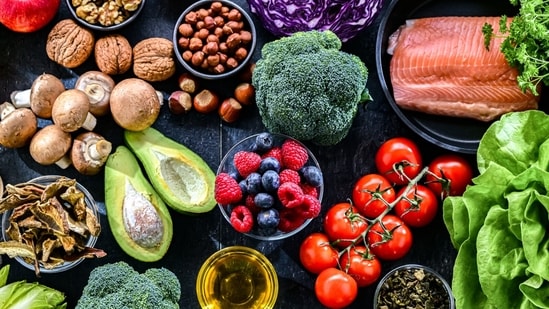
When it comes to weight loss, what you eat matters, but the quality of your overall diet matters too. An anti-inflammatory eating pattern focuses on vegetables, fruits, whole grains, legumes, nuts, seeds, healthy fats and other minimally processed foods. These foods provide fibre, antioxidants and healthy fats that can support fullness and metabolic health. Research on Mediterranean-style diets, which share many of these principles, has also linked the pattern with lower levels of inflammatory markers. However, an anti-inflammatory diet is not a magic weight-loss plan.
Weight loss still depends on overall calorie intake, portions, physical activity and consistency. So, can choosing more anti-inflammatory foods make weight management easier? Dietitian Sumaiya Ansari explains what to include on your plate to HealthShots.
What is an anti-inflammatory diet?
An anti-inflammatory diet is less about following a strict menu and more about regularly choosing whole, nutrient-rich foods. It typically includes vegetables, fruits, whole grains, legumes, nuts, seeds, fish and healthy fats such as olive oil, while limiting highly processed foods, refined carbohydrates, sugary drinks and excess saturated fats.
A systematic review and meta-analysis of 22 randomised controlled trials found that Mediterranean-style diets had notable effects on inflammatory markers, including IL-6 and IL-1β.
How can it support weight loss?
1. It may help manage inflammation
Chronic low-grade inflammation is associated with obesity and metabolic problems. Diets rich in vegetables, fruits, whole grains, legumes and healthy fats can provide compounds that help support a healthier inflammatory balance. Research reviews have found consistent links between these foods and lower inflammatory markers.
2. It increases satiety
{{/usCountry}}Chronic low-grade inflammation is associated with obesity and metabolic problems. Diets rich in vegetables, fruits, whole grains, legumes and healthy fats can provide compounds that help support a healthier inflammatory balance. Research reviews have found consistent links between these foods and lower inflammatory markers.
2. It increases satiety
{{/usCountry}}Many anti-inflammatory foods are naturally rich in fibre. Vegetables, fruits, legumes and whole grains can slow digestion and help increase satiety, making it easier to manage portions and avoid frequent snacking. This can indirectly support weight loss by helping control overall calorie intake.
3. It supports better metabolic health
An anti-inflammatory eating pattern provides a combination of fibre, healthy fats, antioxidants and other nutrients rather than relying on one “fat-burning” food. For example, omega-3-rich fish, nuts and olive oil are key components of Mediterranean-style diets, which have been associated with better cardiometabolic health.
4. It can make healthy eating more sustainable
Instead of eliminating entire food groups, an anti-inflammatory approach encourages a variety of nutritious foods. This can make healthy eating easier to maintain over time. “Focus on the overall eating pattern rather than one particular food,” says Ansari.
9 anti-inflammatory foods to add to your diet
1. Fatty fish: Salmon, sardines and mackerel provide omega-3 fatty acids.
2. Berries: Blueberries, strawberries and blackberries provide polyphenols and antioxidants.
3. Leafy greens: Spinach and other greens provide fibre and plant compounds.
4. Olive oil: A source of monounsaturated fats and a key part of the Mediterranean diet.
5. Nuts: Walnuts and almonds provide healthy fats, fibre and other nutrients.
6. Legumes: Beans, lentils and chickpeas provide plant protein and fibre, helping with fullness.
7. Whole grains: Oats and barley provide fibre and can support better blood sugar control.
8. Turmeric and ginger: These spices contain bioactive compounds with potential anti-inflammatory properties.
9. Fermented foods: Yoghurt and kefir can provide beneficial bacteria that support gut health.
No single food melts fat or causes weight loss on its own. A consistent eating pattern built around vegetables, fruits, whole grains, legumes, healthy fats and adequate protein can support weight management while improving overall diet quality. Portion sizes and total calorie intake still matter, so view an anti-inflammatory diet as a sustainable eating pattern rather than a quick-fix weight-loss diet.
(Disclaimer: This article is for informational purposes only and is not a substitute for professional medical advice. Always seek the advice of your doctor with any questions about a medical condition.)
Catch your daily dose of Fashion, Taylor Swift, Health, Festivals, Travel, Relationship, Recipe and all the other Latest Lifestyle News on Hindustan Times Website and APPs.
Catch your daily dose of Fashion, Taylor Swift, Health, Festivals, Travel, Relationship, Recipe and all the other Latest Lifestyle News on Hindustan Times Website and APPs.