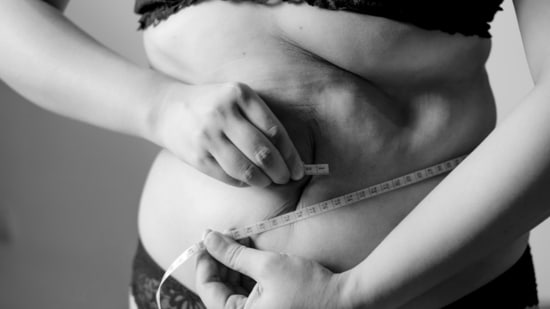
Abdominal fat has been associated with a higher risk of health ailments, including high blood pressure, sleep apnea, heart disease, high blood sugar and diabetes, and even certain cancers. Now, research has shown that it might also affect your brain health. On July 21, Dr Sudhir Kumar, MD, DM, and a neurologist at Apollo Hospitals, Hyderabad, highlighted this very fact in an X (formerly Twitter) post.
Can belly fat affect your brain?
In a post titled ‘Can belly fat affect your brain?’, Dr Sudhir explained how most people know that ‘excess abdominal fat increases the risk of diabetes and heart disease’. However, he highlighted that new research now suggests it may also increase the risk of memory decline and dementia.
According to the neurologist, not all body fat is the same. He explained, “The fat just under the skin (subcutaneous fat) is different from visceral fat, the fat that surrounds organs deep inside the abdomen. It is visceral fat that is particularly harmful.”
Here's how: People with higher visceral adipose tissue (VAT) are more likely to develop:
- Cognitive decline
- Dementia
- Smaller brain volume
- Reduced hippocampal volume (the brain's memory centre)
Here's how: People with higher visceral adipose tissue (VAT) are more likely to develop:
- Cognitive decline
- Dementia
- Smaller brain volume
- Reduced hippocampal volume (the brain's memory centre)
Why does visceral fat affect the brain?
According to Dr Sudhir, the association between fat and brain health becomes even more stark after accounting for age and body weight. Moreover, these changes may gradually impair memory and thinking. He explained that several mechanisms are involved in the same, including:
- Chronic low-grade inflammation
- Insulin resistance
- High blood pressure
- Unhealthy blood lipids
- Damage to small blood vessels
- Hormonal changes affecting the brain
‘What's good for the waist is good for the brain’
Moreover, Dr Sudhir noted that studies have also linked higher visceral fat with reduced executive function, slower information processing, poorer attention, and lower memory performance. “The effects may begin years before dementia becomes obvious. The encouraging news is that visceral fat is modifiable,” he added.
Unlike age or genes, Dr Sudhir advised that visceral fat can often be reduced through lifestyle changes. The best evidence-based ways to reduce visceral fat are:
- Regular aerobic exercise
- Strength training (at least 2 sessions/week)
- Mediterranean-style diet
- Adequate protein and fibre
- 7 to 9 hours of sleep
- Maintaining a healthy body weight
Lastly, he cautioned that no "fat-burning" supplement has convincing evidence, and that one should not rely solely on the weighing scale. Rather, they should monitor ‘waist circumference and waist-to-height ratio (<0.5 is a useful target for most adults)’. These often reflect visceral fat better than body weight alone.
“Protecting your brain starts long before old age. If you have diabetes, hypertension, prediabetes or fatty liver disease, reducing visceral fat becomes even more important, not just for your heart, but also for your brain. Reducing visceral fat is one of the smartest investments you can make for your future memory, cognition and overall health. What's good for the waist is good for the brain,” Dr Sudhir added.
Note to readers: This article is for informational purposes only and not a substitute for professional medical advice. Always seek the advice of your doctor with any questions about a medical condition.
This report is based on user-generated content from social media. HT.com has not independently verified the claims and does not endorse them.
Dr Sudhir Kumar is a neurologist based in Hyderabad, Telangana. He holds an MBBS, an MD in Internal Medicine, and a DM in Neurology, and regularly shares evidence-based insights on neurological health, fitness and disease prevention through his social media platforms.
Catch your daily dose of Fashion, Taylor Swift, Health, Festivals, Travel, Relationship, Recipe and all the other Latest Lifestyle News on Hindustan Times Website and APPs.
Catch your daily dose of Fashion, Taylor Swift, Health, Festivals, Travel, Relationship, Recipe and all the other Latest Lifestyle News on Hindustan Times Website and APPs.