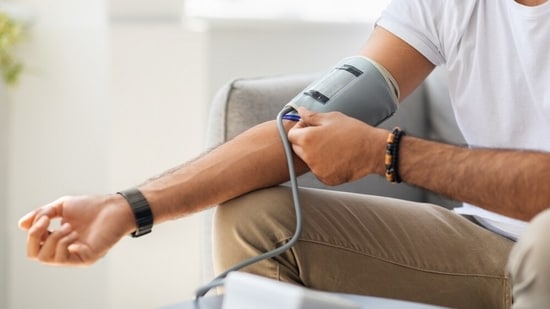
Do you have a blood pressure measuring machine at home? Many households have a device that helps them monitor blood pressure. But are you doing it right? In a post shared on July 28, Dr Dmitry Yaranov, MD, cardiologist, shared the right way to check your blood pressure.
Also Read | Cardiologist says eating okra helps maintain blood pressure, diabetes; lists 6 benefits of the vegetable
The cardiologist warned, “You’re not checking your blood pressure — you’re just watching numbers change. I say this with love — but most people do it wrong. Legs crossed. Talking. Cuff over clothing. Wrong size. No rest. Then they panic when the numbers are ‘high’.” Here are the tips he posted:
How to check your blood pressure correctly?
The cardiologist listed 8 things to keep in mind when you are sitting down to check your blood pressure:
- Sit in a chair, back supported, feet flat on the floor
- Rest for 5 minutes before checking
- Keep your arm at heart level, on a table
- No talking or texting during the reading
- Use the correct cuff size — not too small, not too big
- Take 2–3 readings, 1 minute apart
- Write it down or use your device’s memory
- Bring your cuff to your next doctor’s visit — let them validate it
Bonus tip
{{/usCountry}}- Sit in a chair, back supported, feet flat on the floor
- Rest for 5 minutes before checking
- Keep your arm at heart level, on a table
- No talking or texting during the reading
- Use the correct cuff size — not too small, not too big
- Take 2–3 readings, 1 minute apart
- Write it down or use your device’s memory
- Bring your cuff to your next doctor’s visit — let them validate it
Bonus tip
{{/usCountry}}Dr Yaranov also posted a bonus tip for patients to remember while checking their blood pressure. “Do NOT take it right after a workout, argument, or espresso. That’s not ‘your pressure’ — that’s adrenaline,” he warned.
Lastly, the cardiologist said, “Don’t guess. Don’t Google. Don’t gamble. Know your numbers — and measure them right.”
Blood pressure levels
According to the National Heart, Lung, and Blood Institute, here are the blood pressure levels you need to keep in mind:
| Systolic and Diastolic Pressure (mm Hg) | Systolic and Diastolic Pressure (mm Hg) |
|---|---|
| Normal | Less than 120 systolic pressure AND Less than 80 diastolic pressure |
| Elevated | 120 to 129 systolic pressure AND Less than 80 diastolic pressure |
| High Blood Pressure Stage 1 | 130 to 139 systolic pressure OR 80 to 89 diastolic pressure |
| High Blood Pressure Stage 2 | 140 or higher systolic pressure OR 90 or higher diastolic pressure |
| Hypertensive Crisis | Higher than 180 systolic pressure OR Higher than 120 diastolic pressure. Contact your doctor immediately |
The National Heart, Lung, and Blood Institute says that your blood pressures are written as two numbers separated by a slash: the first number is your systolic pressure, and the second number is your diastolic pressure.
Note to readers: This article is for informational purposes only and not a substitute for professional medical advice. Always seek the advice of your doctor with any questions about a medical condition.
Catch your daily dose of Fashion, Taylor Swift, Health, Festivals, Travel, Relationship, Recipe and all the other Latest Lifestyle News on Hindustan Times Website and APPs.
Catch your daily dose of Fashion, Taylor Swift, Health, Festivals, Travel, Relationship, Recipe and all the other Latest Lifestyle News on Hindustan Times Website and APPs.