For years, anti-aging regimes and retinol were considered only when visible signs of aging appeared. Fine lines around the mouth, uneven texture, pigmentation, or loss of firmness usually marked the point where individuals began considering it seriously. In recent years, this mindset has changed considerably, with more people focusing on pre-aging regimes to delay prominent signs of aging. Interestingly, this shift reflects a larger trend: consumers are looking at skincare beyond beauty and prioritizing skin health.
Science behind skin aging
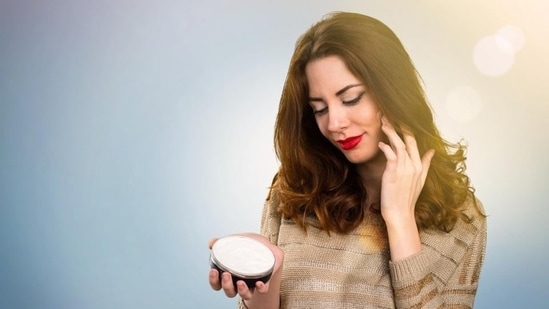
Skin ages gradually as collagen production declines with age, along with environmental exposure. “Ultraviolet radiation remains one of the strongest contributors to premature skin aging because it penetrates the skin daily, even during routine exposure,” Dr Prasoon Soni, Professor, Skin & VD, S.P. Medical College, Bikaner, tells Health Shots. UVA rays penetrate deeper into the dermis and trigger oxidative stress, activating enzymes that gradually degrade collagen and elastin fibers.
Does UVB contribute to aging?
UVB exposure contributes more directly to surface damage, inflammation, and pigmentation. Over time, repeated exposure affects the skin’s repair mechanisms and slows healthy cellular renewal. “In fact, Indian skin is more prone to aging and can begin as early as 18 to 35 years,” says the doctor. According to a study titled ‘Aging and the Indian Face: An Analytical Study of Aging in the Asian Indian Face’, Indian skin ages 10 years faster compared to other skin types.
Early signs of aging
- Many early signs of photoaging are subtle. Skin may start to look duller, less elastic, or uneven long before deep wrinkles appear. Pigmentation becomes slower to fade. Acne marks remain visible for longer periods. Recovery after inflammation takes more time.
- In Indian skin, this becomes particularly important because even low-grade inflammation can lead to persistent post-inflammatory hyperpigmentation when combined with repeated sun exposure.
- This is where prejuvenation has become increasingly relevant. Instead of waiting for visible correction later, the focus shifts towards maintaining skin quality early and reducing cumulative damage before it becomes deeply established.
Is retinol really anti-aging?
Retinol is one of the oldest anti-aging products. It is a vitamin A derivative that helps regulate skin cell renewal, increase cellular turnover, and stimulate fibroblast activity involved in collagen production. “With regular use, it can improve skin texture, support smoother skin renewal, reduce early signs of pigmentation, and help maintain overall skin structure over time,” says the expert. Skin usually responds better to consistency than aggressive application.
Retinol: The foundation to address skin aging
While there is growing popularity of retinol, it is often misused or abused by individuals unaware of the right dosage, when to start using it, and the right skincare regimes to follow. “Excessive use often disrupts the skin barrier and leads to irritation, redness, peeling, or burning sensations. This inflammation itself can worsen pigmentation in susceptible skin types” says the dermatologist. A slower introduction usually produces better long-term tolerance and more stable improvement.
However, it is important to choose the right retinol formulation, as not all retinols are equal:
- We recommend an anti-aging retinol solution for beginners with low-dose encapsulated retinol (0.1%). This approach helps the skin adapt over time, reducing the risk of common side effects like burning, redness, or peeling.
- While retinol is a powerful ingredient for boosting cell turnover and smoothing fine lines, pairing it with antioxidants such as peptides, Vitamin C, Vitamin E, niacinamide, or green tea extract provides added protection. “These ingredients help neutralize free radicals and improve tolerability,” says the expert. A balanced routine that combines retinol with antioxidant-rich serums or moisturizers provides more holistic defense against premature skin aging.
- Adding a comfort complex provides an additional soothing effect that may help improve tolerability.
- Encapsulated delivery systems allow slower release into the skin, which reduces irritation while maintaining efficacy.
Can we use retinol and sunscreen together?
Retinol should always be paired with sunscreen. In practice, this is one of the most important aspects patients overlook. Retinol may support collagen renewal and improve skin texture, but ongoing ultraviolet exposure continues to generate oxidative damage beneath the surface if the skin remains unprotected.
Does sunlight destroy collagen?
Without sunscreen, collagen breakdown and pigment formation continue despite the use of active skincare. Daily sunscreen use becomes especially important because photoaging is cumulative. In individuals using retinol, consistent photoprotection helps preserve the skin barrier and reduces inflammatory changes triggered by UV exposure.
Does skincare actually reduce aging?
Preventive skincare is not about stopping aging completely. Aging is a natural biological process. The bigger goal is to maintain healthier skin function for longer by reducing avoidable environmental damage. Retinol has gained wider acceptance because it supports this preventive approach rather than acting only as a late corrective measure.
What does "prejuvenation" mean?
The growing interest in prejuvenation reflects a more informed understanding of skin health. Used carefully and combined with regular sunscreen use, retinol can support healthier skin renewal long before deeper signs of photoaging become difficult to reverse.
(Disclaimer: At Hindustan Times, we help you stay up to date with the latest trends and products. Hindustan Times has an affiliate partnership, so we may get a part of the revenue when you make a purchase. We shall not be liable for any claim under applicable laws, including, but not limited to, the Consumer Protection Act, 2019, arising from the products. The products listed in this article are in no particular order of priority, and the expert mentioned has not directly suggested any brands.
This article is for informational purposes only and is not a substitute for professional medical advice. Always seek the advice of your doctor with any questions about a medical condition.)
Catch your daily dose of Fashion, Taylor Swift, Health, Festivals, Travel, Relationship, Recipe and all the other Latest Lifestyle News on Hindustan Times Website and APPs.
Catch your daily dose of Fashion, Taylor Swift, Health, Festivals, Travel, Relationship, Recipe and all the other Latest Lifestyle News on Hindustan Times Website and APPs.