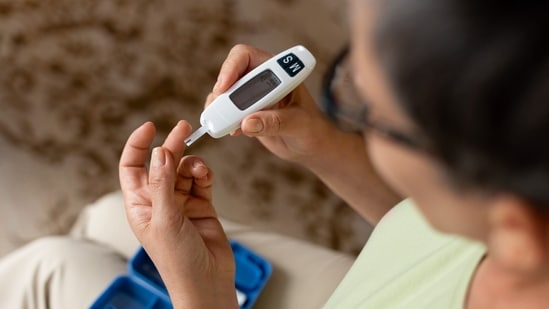
A diabetes diagnosis prompts changes in everyday habits, from what you eat to how you exercise. These lifestyle changes need to be long-term to manage diabetes. Amid these changes, claims of ‘reversing’ diabetes also come up. But can this condition be ‘reversed’ for good, or is that just a misconception?
Dr Durga Prasad Singh, senior consultant in internal medicine at Regency Health, Lucknow, clarified what diabetes remission means, which types can improve, and why ‘reversal’ should not be confused with a permanent cure.
He clarified the root misconception: "Clinically, endocrinologists and major medical bodies, including the American Diabetes Association, avoid the words ‘cure’ or ‘permanent reversal,’ favouring the term remission instead."ALSO READ: Can diabetes damage your liver? Doctor flags early signs and prevention tips
What does diabetes remission mean?
Dr Durga explained, “Remission is strictly defined as maintaining an HbA1c below 6.5% (48 mmol/mol) for at least three consecutive months without taking any glucose-lowering medications.”
So, HbA1c reflects average blood sugar levels over roughly three months. Meeting this threshold without diabetes medication can signal remission, but the underlying susceptibility remains. This makes ongoing monitoring and maintaining healthy habits essential.
{{/usCountry}}So, HbA1c reflects average blood sugar levels over roughly three months. Meeting this threshold without diabetes medication can signal remission, but the underlying susceptibility remains. This makes ongoing monitoring and maintaining healthy habits essential.
{{/usCountry}}According to the expert, the underlying genetic predisposition never disappears. Instead, the active disease process can be halted by addressing two factors that the doctor described as ‘physiological drivers’: ectopic fat accumulation inside the liver and pancreas, and systemic insulin resistance.
How can weight loss help?
Losing around 10 percent to 15 percent of total body weight can help some people with type 2 diabetes achieve remission.
He added, “Reaching this threshold clears excess fat deposits out of the liver and pancreas. Once this fatty overload is removed, hepatic insulin sensitivity rebounds, and stressed, dormant pancreatic beta cells can wake up and resume normal insulin production.”
But this is not a guaranteed outcome for everyone, as it is time-sensitive. “This process is heavily time-sensitive; patients diagnosed within the last six years who do not yet rely on long-term insulin have the highest clinical rates of success because they still possess a viable reserve of functional beta cells,” Dr Singh said, suggesting the importance of timing.
There are other treatment options for people with severe obesity, including metabolic or bariatric surgery, which may help achieve remission. The doctor mentioned gastric bypass and sleeve gastrectomy as procedures that can help through weight loss and changes in gut hormones involved in blood sugar regulation.
Can every type of diabetes go into remission?
The possibility depends on what is causing the high blood sugar. Dr Singh distinguished between the following types:
- Type 2 diabetes: Some people can achieve remission, particularly when the condition is addressed early, and meaningful weight loss is maintained.
- Gestational diabetes: Blood sugar usually returns to normal after childbirth as pregnancy-related hormonal changes subside. An increased risk of developing type 2 diabetes exists, making follow-up important.
- Medication-or-hormone-diabetes: Blood sugar may improve when an underlying hormonal condition is treated, or a triggering medicine, such as a steroid, is safely reduced or stopped by a doctor.
- Type 1 diabetes and LADA: Involve an autoimmune attack on insulin-producing cells. Diet, exercise and weight loss cannot reverse this process. Type 1 diabetes requires insulin treatment; people with LADA, a slower-progressing form of autoimmune diabetes, generally develop a need for insulin as the condition progresses.
Note to readers: This article is for informational purposes only and not a substitute for professional medical advice. Always seek the advice of your doctor with any questions about a medical condition.
Catch your daily dose of Fashion, Taylor Swift, Health, Festivals, Travel, Relationship, Recipe and all the other Latest Lifestyle News on Hindustan Times Website and APPs.
Catch your daily dose of Fashion, Taylor Swift, Health, Festivals, Travel, Relationship, Recipe and all the other Latest Lifestyle News on Hindustan Times Website and APPs.