Cancer is the second leading cause of death in India, following cardiovascular diseases, though it remains one of the country's most critical public health concerns, according to the Ministry of Health and Family Welfare. With cases projected to rise significantly in India, around 100 out of every 1 lakh people are diagnosed with cancer.
According to the Indian Council of Medical Research (ICMR), the estimated number of incidences of cancer cases was more than 14 lakhs in 2023 in India. While cancer is primarily caused by damage to DNA inside cells, it is driven by a mix of lifestyle habits, environmental exposures, ageing, and inherited genetics.
Processed foods and cancer causation
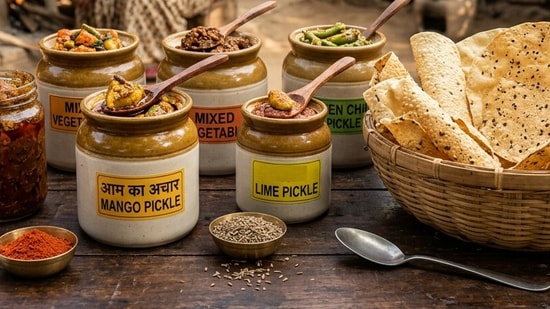
Food also plays a major part in causation. According to Dr Jay Dadhania, MD, DM (Medical Oncologist), HOC Vedanta, processed foods such as pickles, papad, namkeen, and similar types of foods form a significant part of the Indian diet.
As researchers shift their focus away from genetics and medicine and towards lifestyle as a means to prevent cancer, people are often advised to track how often and how much of such foods they eat.
{{/usCountry}}As researchers shift their focus away from genetics and medicine and towards lifestyle as a means to prevent cancer, people are often advised to track how often and how much of such foods they eat.
{{/usCountry}}Dr Jay stresses that it is not the occasional consumption of pickles and papad that can lead to cancer, but rather the overall dietary habits, especially when it comes to high salt content and processed food.
Dietary high salt intake and stomach cancer risk
Dr Jay also drew a link between the high intake of dietary salt and stomach cancer risk. According to him, the correlation between the two has already been established. “Eating salty food on a regular basis may also affect the stomach lining and create an unhealthy environment in combination with other risk factors,” he warned.
“Cancer prevention does not mean labelling Indian cuisine as unhealthy or eliminating all of these from our diets. It simply means moderation and balance,” Dr Jay further underlined.
According to him, diets that are ‘too refined, too salty, or are calorie-dense’ should be switched to healthier alternatives, which have fresh and nutrient-rich options.
Rising intake of processed foods
Another factor that needs to be considered, according to Dr Jay, is the rising intake of processed foods. “Foods like sausages, salami, and other types of processed meats increase the risk of colorectal cancer. On the other hand, the regular intake of high-calorie snack foods increases the risk of obesity and, in turn, several cancers,” he cautioned.
Moreover, he stressed that the traditional Indian kitchen is a storehouse when it comes to cancer prevention. There are pulses, vegetables, fruits, whole grains, millets, nuts, and seeds that can make a good base. So, the bottom line, per Dr Jay, is that instead of processed foods or giving up the Indian diet because it seems unhealthy, one should focus more on consuming fresh and nutrient-rich options.
Note to readers: This article is for informational purposes only and not a substitute for professional medical advice. Always seek the advice of your doctor with any questions about a medical condition.
Catch your daily dose of Fashion, Taylor Swift, Health, Festivals, Travel, Relationship, Recipe and all the other Latest Lifestyle News on Hindustan Times Website and APPs.
Catch your daily dose of Fashion, Taylor Swift, Health, Festivals, Travel, Relationship, Recipe and all the other Latest Lifestyle News on Hindustan Times Website and APPs.