After months of nourishing a baby, a mother’s body needs nourishment too —not just extra calories, but the right nutrients to heal, regain strength, and support her new routine. The arrival of a baby is often celebrated as the beginning of a new chapter. But in the rush of feeding, changing nappies, and caring for the newborn, one person is sometimes forgotten: the mother.
How long does it take a woman's body to recover from pregnancy and childbirth?
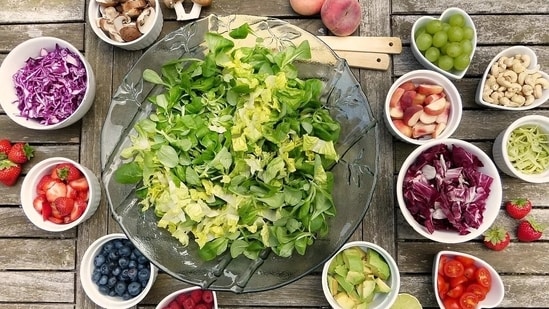
After delivery, her body is recovering from pregnancy and childbirth.
- At the same time, she may also be breastfeeding, coping with sleepless nights, and adjusting to a completely new routine. This makes postpartum nutrition much more than simply eating more food.
- Postpartum nutrition means eating a balanced, nutrient-rich diet after childbirth to support the mother’s recovery, energy levels, and overall health.
- If she is breastfeeding, her nutritional needs also support milk production. A new mother needs enough food and fluids to recover, stay energetic, and care for herself and her baby.
Why do new mothers need good nutrition?
Pregnancy and childbirth can leave the body depleted, particularly after blood loss during delivery. Poor nutrition can increase tiredness and make recovery harder. “Breastfeeding also increases the demand for certain nutrients and fluids,” Dr Preethika Shetty, Consultant Obstetrician and Gynecologist, Motherhood Hospitals, Kharadi, tells Health Shots. At the same time, irregular meals and lack of sleep can make it easy for mothers to rely on tea, biscuits, or packaged snacks instead of proper meals.
What should new mothers eat?
- Iron-rich foods, such as green leafy vegetables, beans, lentils, meat, eggs, and iron-fortified foods, can help support healthy blood levels. Women prescribed iron supplements should continue them as advised by their doctor.
- Protein: Dal, pulses, eggs, fish, chicken, dairy products, paneer, soy, and nuts provide protein needed for tissue repair and recovery.
- Calcium and vitamin D: Milk, curd, paneer, and other calcium-rich foods support bone health. Vitamin D helps the body absorb calcium and may require supplementation if levels are low.
- Fruits and vegetables: A colorful variety provides vitamins, minerals, and fiber, which can support digestion and overall health.
- Whole grains, such as oats, whole-wheat roti, and brown rice, provide sustained energy and fiber.
- Healthy fats: Nuts, seeds, fish, and other sources of healthy fats provide essential fatty acids and can be part of a balanced postpartum diet.
- Fluids: Water, soups, milk, and other nutritious fluids can help prevent dehydration, particularly during breastfeeding.
But the postpartum period is not a race to lose weight. It is a time to heal. A mother who is recovering from childbirth deserves the same attention and care she gives her baby. Nourishing her body is not an indulgence; it is an important part of recovery, strength, and motherhood.
(Disclaimer: At Hindustan Times, we help you stay up to date with the latest trends and products. Hindustan Times has an affiliate partnership, so we may get a part of the revenue when you make a purchase. We shall not be liable for any claim under applicable laws, including but not limited to the Consumer Protection Act, 2019, with respect to the products. The products listed in this article are in no particular order of priority. The brand provided them to HT Shop Now for testing and evaluation. Our opinions remain independent and based on our personal experience with the items. Please patch test the products before use.)
Catch your daily dose of Fashion, Taylor Swift, Health, Festivals, Travel, Relationship, Recipe and all the other Latest Lifestyle News on Hindustan Times Website and APPs.
Catch your daily dose of Fashion, Taylor Swift, Health, Festivals, Travel, Relationship, Recipe and all the other Latest Lifestyle News on Hindustan Times Website and APPs.