Lassa fever that first originated in norther Nigeria in 1969 has made a comeback after almost 13 years in the UK and at least three cases have been confirmed in the country including one death. The acute viral haemorrhagic illness belongs to the same family as Ebola and is named after the town of Lassa in northern Nigeria.
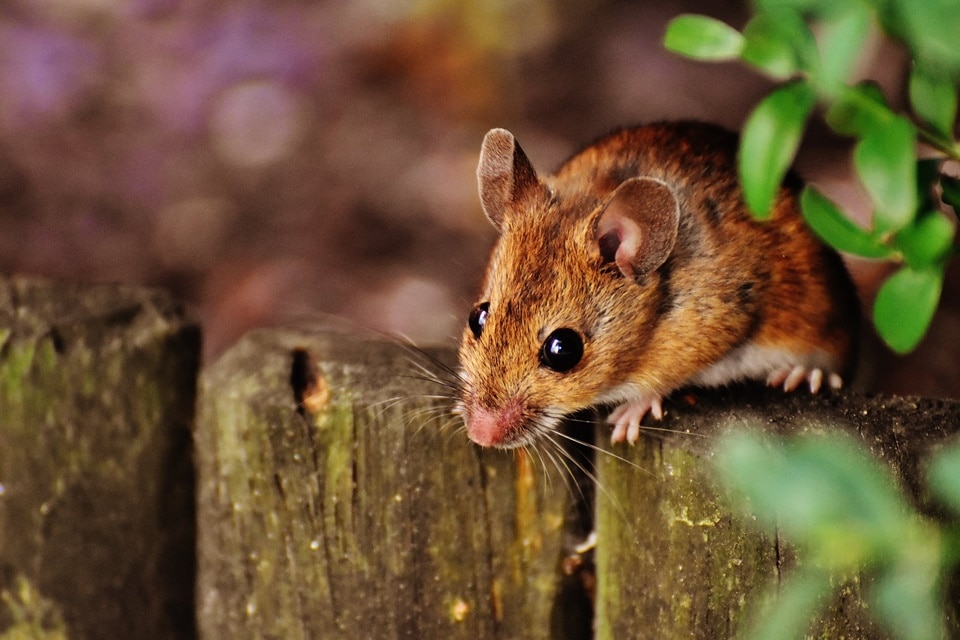
While the spread of any new disease can cause panic among people, knowing facts and spreading awareness can help take people informed decisions. Unlike Coronavirus, Lassa virus doesn't spread through everyday contact like hugging or shaking hands. It can spread only if one comes in contact with a contaminated rodent's urine or excrement. It can also infect a person if he or she is exposed to blood, urine, feces, or other bodily secretions of an infected person.
Is Lassa fever spreading in India?
Guinea, Liberia, Sierra Leone, Nigeria, Benin, Ghana, and Mali are among the countries in West Africa where Lassa fever is endemic. Within the United States, the prevalence of Lassa virus infections varies. The disease is most common in West Africa's forested regions, where Guinea, Liberia, and Sierra Leone share a border.
ALSO READ: Covid-19: Endemic doesn't mean life can return to normal, says virologist
{{/usCountry}}ALSO READ: Covid-19: Endemic doesn't mean life can return to normal, says virologist
{{/usCountry}}Among India, incidences of Lassa disease have been reported in returned travelers. However, there is no information on the disease's prevalence in India.
Symptoms of Lassa fever
"Lassa fever is accompanied with a wide range of clinical symptoms and its incubation period is between one to three weeks. Prior to the start of symptoms, Lassa fever patients are not thought to be contagious. The majority of infected people experience moderate symptoms (about 80%), such as a low-grade fever, lethargy, and headache, and may not seek medical care," says Dr. Manish Wadhwani, Consultant Intensivist, Masina Hospital.
"In about 20% of people, the disease progresses to more serious signs and symptoms, including pharyngitis, cough, nausea, vomiting, and diarrhoea. Muscle discomfort, chest pain, back pain, and stomach pain are all common symptoms. In severe cases, face swelling, respiratory failure, fits, unconsciousness, bleeding (from the mouth, nose, vaginal, or gastrointestinal tract), and a reduction in blood pressure can occur, leading to multi-system involvement and subsequent crucial organ failure," adds Dr Wadhwani.
Lassa fever complications
Hearing loss is the most prevalent Lassa fever complication, which affects up to one-third of patients and can occur with mild or severe illness. In around half of the instances, hearing may improve after 1-3 months.
"Vomiting, sore throat, breathing trouble, blood, and diarrhoea are all poor prognosis indicators. In serious situations, death usually occurs within two weeks of the onset of symptoms. Lassa virus is found in about 1% of the population. Infections cause death, with fatality rates ranging from 15 to 30% among hospitalised patients," says the expert.
Lassa fever treatment
Ribavirin, an antiviral medication, is used to treat Lassa fever. Ribavirin is most effective when used within the first six days of a fever's start. Apart from ribavirin, supportive care includes things like keeping blood pressure under control with appropriate fluids and maintaining oxygen levels with external oxygen support.
How to prevent Lassa fever
Residents and visitors to places where Mastomys rats are common should keep food in rodent-proof containers, capture rodents in and around their homes, and avoid eating rodents.
Patients with known or suspected Lassa fever should be handled in healthcare to reduce person-to-person contact.
To reduce the danger of person-to-person transmission, community-based care should be avoided if possible. Even if the clinical indications are minor, patients with signs and symptoms of illness should be considered contagious. Lassa fever does not have a vaccination available to prevent it.
(With inputs from Dr Manish Wadhwani, Consultant Intensivist, Masina Hospital)
Catch your daily dose of Fashion, Taylor Swift, Health, Festivals, Travel, Relationship, Recipe and all the other Latest Lifestyle News on Hindustan Times Website and APPs.
Catch your daily dose of Fashion, Taylor Swift, Health, Festivals, Travel, Relationship, Recipe and all the other Latest Lifestyle News on Hindustan Times Website and APPs.