
 E-Paper



Role of micronutrients in boosting mental health

 Prefer HTon Google


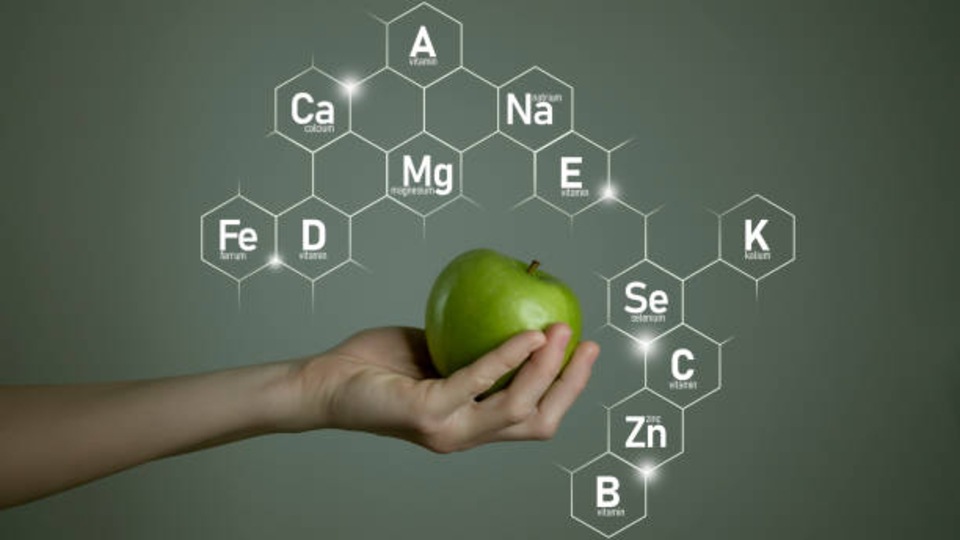
Know from an expert the important role of micronutrients in preserving and boosting mental health.
Mental health is a state of mental well-being that enables people to cope with the stresses of life, realize their abilities, learn well and work well, and contribute to their community. As per the World Health Organization’s World Mental Health Report, published in June 2022, of one billion people living with a mental disorder in 2019, 15 per cent of working-age adults experienced a mental disorder. In the first year of the pandemic, the global prevalence of anxiety and depression increased by a staggering 25%. In addition to seeking professional help, experts have also emphasized lifestyle modifications to take on the giant health crisis in the mental, cognitive and emotional realms. (Also read: Mental health tips: Relationship between a healthy diet and the brain )
From prescribing activities such as yoga and meditation to anchor one’s thoughts, to cutting down on excessive gadget use, and even improving diet to help nourish one’s body from within suggestions around boosting mental health have been aplenty. An often overlooked link to mental health, however, is the role of micronutrients in preserving and boosting mental health. Time and again, research has shown linkages between both diet quality and potential nutritional deficiencies and mental health.
Evidence shows that nutrient-based prescriptions could assist in the management of mental disorders at the individual and population level. Studies show that many of the nutrients have a clear link to brain health, including Omega-3s, B vitamins (particularly folate and B12), choline, iron, zinc, magnesium, S-adenosyl methionine (SAMe), vitamin D, and amino acids.
In a conversation with HT Lifestyle, Dr. Vivek Srivastav, Senior Vice President, Zeon Lifesciences, suggested five micronutrients one must ensure to get enough of, as a part of their overall journey towards elevated mental health.
1. Vitamin D
It is believed that vitamin D regulates central nervous system processes, whose irregularities have been linked to depression. In people with depression, vitamin D supplementation may reduce depressive symptoms. According to India's National Mental Health Survey 2015–16, one in every 20 Indians has depression. This number is likely to have increased significantly after COVID-19.
2. Vitamin C
Vitamin C is great for your body, but it is equally beneficial for the brain. Vitamin C deprivation can lead to decreases in key neurotransmitters such as dopamine and serotonin in the brain. The addition of vitamin C to your diet can improve or reverse symptoms of anxiety, depression and bipolar disorder.
3. Vitamin B
B Vitamins are often known for their mood-altering properties. Symptoms of B12 deficiency can include tiredness and poor memory. Low levels of B12 and other B vitamins such as vitamin B6 and folate may be linked to depression. Supplementing with B vitamins could have a positive effect on cognitive function and improve the minute aspects related to mental health.
4. Zinc
Apart from boosting immune function, Zinc has a big impact on our brain function and emotions too. Few people are aware of zinc's crucial function in neurotransmission, and brain cell membrane integrity. Those deficient in zinc may experience emotional instability and have trouble managing stress. It has been related to a variety of mental and emotional illnesses, including attention issues, sleepless nights, anxiety, and depression.
5. Omega-3
This nutrient is essential to prevent brain ageing and preserve cognitive function. It is one of the nutrients considered important for the brain development of children. Polyunsaturated Omega-3 fatty acids may also have an impact on behaviour, personality, and attentiveness. Omega-3 fatty acids have long been known for their heart-health effects, but they are now showing promise as a treatment for mood disorders including bipolar disorder, severe depression, and postpartum depression. Research suggests omega-3s can help mild to major depression and even schizophrenia.


