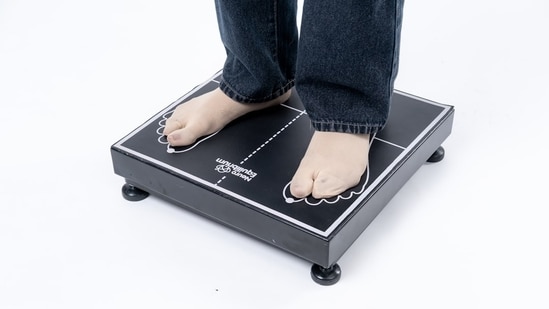
Eat less, move more is the most common intervention for anyone seeking weight loss. It’s not entirely wrong, but incomplete. Calories matter, but they're maybe 30% of the story. Dr Neha Shah, a bariatric surgeon and weight loss specialist, co-founder of The Good Weight, revealed factors that matter far more than just calories.
Also read | Longevity doctor warns against hidden risks of rapid weight loss: ‘Becoming lighter but weaker’
1. Sleep
According to Dr Neha, sleeping less than six hours per night leads to an increase in ghrelin and a drop in leptin, the hormones that regulate hunger and fullness, essentially creating the worst combination possible. She highlighted that eating an extra 300-400 calories the next day and genuinely not realising why they're suddenly starving by 4 pm.
2. Insulin resistance
Dr Neha highlighted that insulin resistance is hugely underdiagnosed in Indian adults, especially with our genetic predisposition to central obesity. If your body's pumping out excess insulin, it's actively storing fat regardless of your calorie count.
3. Stress and cortisol
“I've watched patients lose weight the moment a stressful job situation resolved — same diet, same exercise. Chronic cortisol elevation drives visceral fat storage, particularly around the abdomen,” said Dr Neha.
4. Thyroid function
{{/usCountry}}“I've watched patients lose weight the moment a stressful job situation resolved — same diet, same exercise. Chronic cortisol elevation drives visceral fat storage, particularly around the abdomen,” said Dr Neha.
4. Thyroid function
{{/usCountry}}The thyroid gland has a significant impact on overall health and weight loss. Dr Neha advises checking TSH properly, not just once. Subclinical hypothyroidism gets missed constantly.
5. Medications
Certain antidepressants, steroids, and even some blood pressure medications can stall weight loss. According to Dr Neha, don't stop anything without talking to your doctor, but do ask if alternatives exist.
6. Meal timing
A 9 pm dinner instead of 7 pm doesn't sound like much until you look at circadian metabolic rhythms and realise your body's handling that same plate of food completely differently depending on the clock.
7. Protein intake
Most Indians under-eat protein, and it shows up in three places at once: hunger that never quite settles, muscle that slowly disappears, metabolism that quietly slows.
8. Body composition analysis, not just weight on the scale
According to Dr Neha, daily weighing is not something one should do. Someone can lose fat and gain muscle and see the number barely move — that's still progress, not failure. Overall body composition matters much more.
9. Hormonal life stages
Perimenopause, PCOS, postpartum — these genuinely change the rules. What worked for a patient at 28 often stops working at 42, and that's not because she's doing anything wrong.
Note to readers: This article is for informational purposes only and not a substitute for professional medical advice. Always seek the advice of your doctor with any questions about a medical condition.
Catch your daily dose of Fashion, Taylor Swift, Health, Festivals, Travel, Relationship, Recipe and all the other Latest Lifestyle News on Hindustan Times Website and APPs.
Catch your daily dose of Fashion, Taylor Swift, Health, Festivals, Travel, Relationship, Recipe and all the other Latest Lifestyle News on Hindustan Times Website and APPs.