
 E-Paper



Your fridge is not always keeping food at its best: Storage mistakes that could be ruining your healthy groceries

 Prefer HTon Google


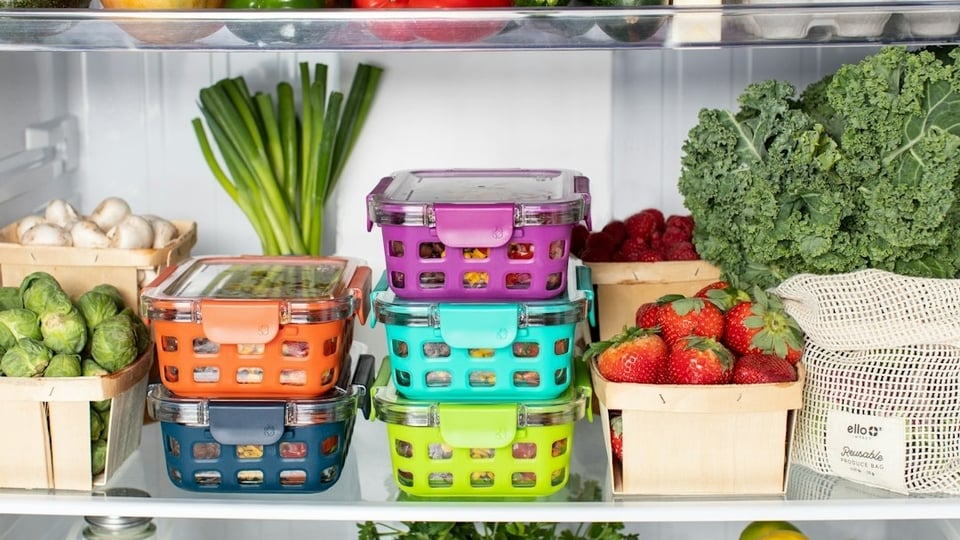
From washing produce too early to incorrect placement, fridge habits that could affect your groceries.
We often assume that putting groceries in the refrigerator is enough to keep them fresh and nutritious. However, how you store your fruits, vegetables, and other everyday foods can make a difference to their quality and shelf life. From keeping certain produce in the wrong compartments to refrigerating foods that are better stored elsewhere, small mistakes could be affecting your groceries. In an interview with HT Lifestyle, Neeraja Mehta, functional nutritionist and co-founder of The Human Protocol, a science-backed health brand, shared how grocery storage mistakes can impact your health.
Also read | Before You Buy: Whole-wheat, multigrain or sourdough? Understanding fibre, ingredients and nutritional value
The wet greens in a tied plastic bag
Mehta highlighted that coriander, methi and palak are washed, bundled wet, tied tightly in the bag they came in and pushed to the back. By day three, they are slimy. Moisture and no airflow speed up rot, and rot is just nutrient loss you can see. Store greens dry, loosely wrapped in a clean cloth or paper, in a box with the lid slightly open.
The fruit next to the vegetables
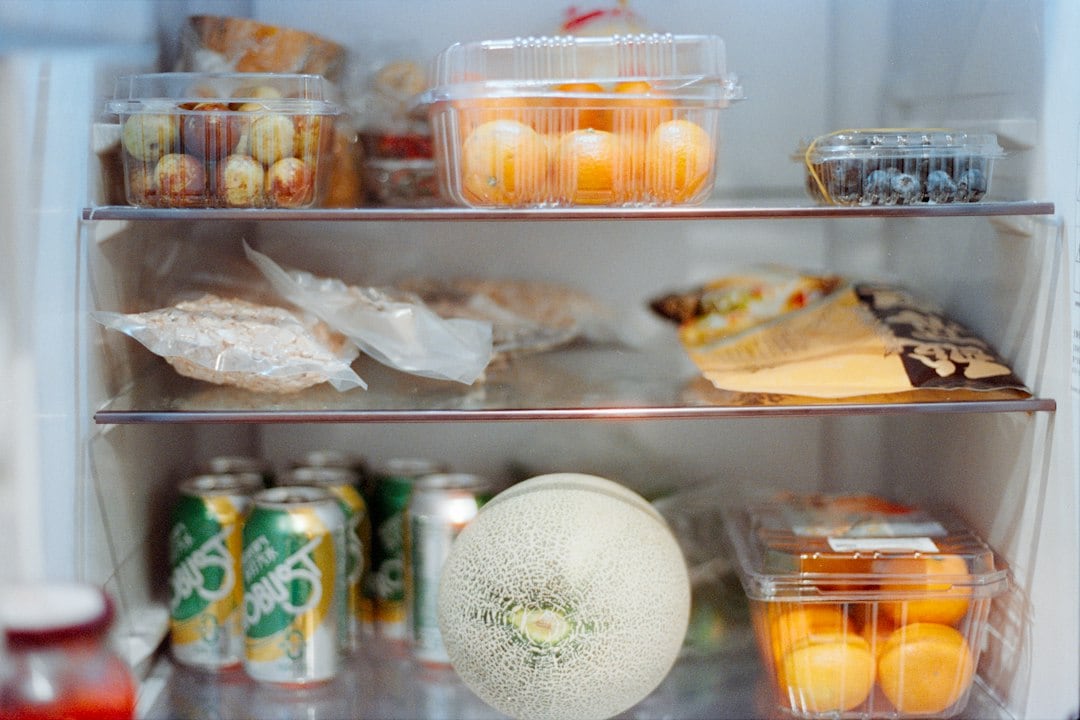
“Apples, bananas and ripe mangoes release ethylene, a natural gas that makes everything near them ripen and then spoil faster,” said Mehta. If your cucumbers go soft in two days, look at what they are sitting beside. Keep fruit and vegetables apart.
The things that should never have gone in
Tomatoes turn mealy and lose flavour in the cold. Potatoes convert starch to sugar. Onions and garlic go soft and sprout. Bananas blacken. Honey crystallises. These live on the counter, not in the fridge.
Milk and eggs in the door
The door is the warmest part of the fridge and swings in temperature every time it opens. Keep milk, curd and eggs on a middle shelf where it is coldest and most stable, and let the door hold pickles and sauces.
Cut fruit for the week
Pre-cut fruit and salad exposed to air lose vitamin C steadily and brown with every hour. Cut what you will eat today. Chopping ahead is for onions, not for papaya.
The leftovers that live forever
This is the big one in Indian homes, where dal and sabzi are made in generous quantities and reheated across the week. “As per the United States Department of Agriculture’s Food Safety and Inspection Service, leftovers should be refrigerated within two hours of cooking, kept for no more than three to four days, and the fridge should sit at or below 4 degrees Celsius,” said Mehta. Every reheat after that drains more of the nutrients and raises the risk of a gut upset. Cooked greens especially do not deserve a second day.
The overstuffed fridge
Cold air needs to move. When the shelves are packed solid, the back freezes and the front sits warm, and nothing is at the right temperature. It also means food gets forgotten.
The 5-minute fridge makeover
• Minute one: Check the temperature. A cheap fridge thermometer should read 4 degrees Celsius or below.
• Minute two: Move milk, curd and eggs out of the door and onto a middle shelf. Pickles and sauces go to the door.
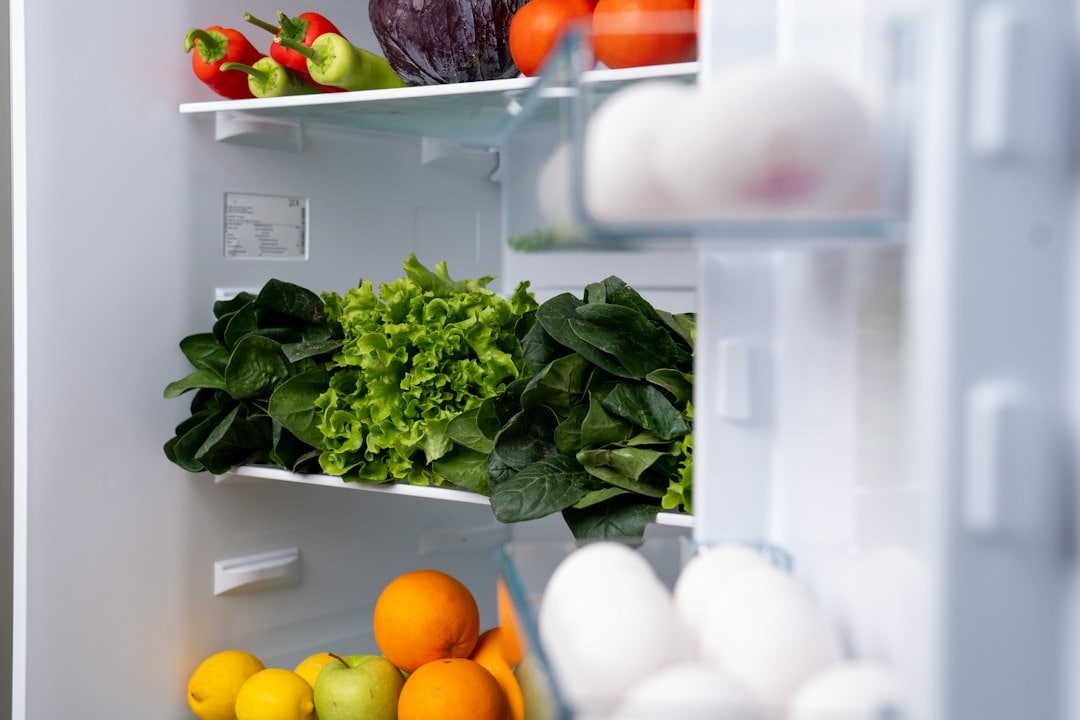
• Minute three: Pull the greens out of their plastic bags. Pat them dry, wrap them in a cloth or paper, and give them their own box.
• Minute four: Evict the tomatoes, onions, potatoes, garlic and bananas. Put apples and ripe fruit in a separate drawer, away from vegetables.
• Minute five: Date your leftovers with a marker. Anything older than four days goes. Keep tonight’s food at the front where you will see it.
“Do this once a week, and you will eat more of the nutrition you are already buying. Your fridge should protect your food, not quietly steal from it,” said Mehta.
Note to readers: This article is for informational purposes only and not a substitute for professional medical advice. Always seek the advice of your doctor with any questions about a medical condition.


Catch your daily dose of Fashion, Taylor Swift, Health, Festivals, Travel, Relationship, Recipe and all the other Latest Lifestyle News on Hindustan Times Website and APPs.


