The link between air pollution and respiratory disorders, heart disease, and other medical issues is widely recognised. Yet this problem is not limited to internal organs. As pollution levels in urban areas keep rising, especially in winter, concerns about premature skin ageing, inflammation, and skin sensitivity are growing. Although the visible symptoms of air pollution, such as dryness, dullness, and irritation, may appear transient, repeated exposure can trigger serious biochemical changes that affect skin health over the long term.
How does air pollution affect the skin?
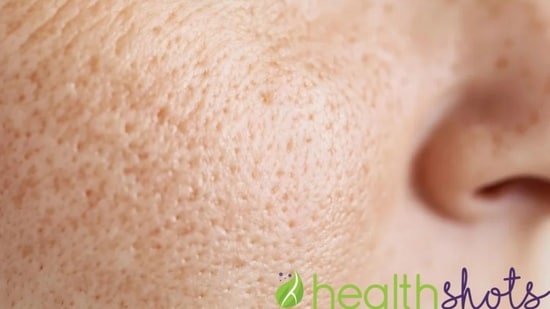
In cities, the air contains a mix of substances like particulate matter (PM2.5 and PM10), nitrogen dioxide, ozone, and more. These pollutants can stick to the skin's surface, interact with skin oil, and damage cells. Fine particulate matter is especially problematic because it can collect around hair follicles and affect a damaged skin barrier.
"Additionally, it increases the production of reactive oxygen species, known as free radicals", dental surgeon and aesthetic expert Dr Madhu Goyal, Founder Director, DIOSA Healthcare, tells Health Shots.
When free radical production exceeds the skin's antioxidant defence capacity, oxidative stress occurs. This damages proteins, lipids, and cell structures that support healthy skin. As a result of repeated oxidative stress, the skin may develop uneven skin colour, lose elasticity, and show signs of fine lines.
The connection between pollution and skin inflammation
Inflammation is a natural reaction to damaging environmental influences. Nevertheless, inflammation that lasts too long may negatively affect skin appearance and function. Air pollution may trigger inflammatory processes in skin cells, leading to redness, irritation, and increased sensitivity. People already suffering from skin disorders, such as acne, rosacea, or atopic dermatitis, are especially affected by air pollution.
Moreover, pollution impairs the skin barrier, which retains moisture and protects the body from harmful substances in the surrounding environment. When the barrier fails to function properly, the skin loses moisture faster and becomes highly susceptible to external irritants. This can lead to oxidative stress, inflammation, and barrier damage, accelerating visible signs of ageing.
Why can pollution accelerate premature ageing?
As skin ages, collagen production decreases while cellular repair processes slow. Environmental influences can speed up this process. Research shows that long-term exposure to air pollutants such as nitrogen dioxide can increase pigmentation and wrinkles.
“Another explanation involves oxidative stress, which activates enzymes that break down collagen” says the expert.
This can eventually cause the skin to lose firmness. Pollution-induced inflammation may also interfere with the skin's repair mechanisms. Genetics cannot be underestimated, but pollution may also contribute to premature skin ageing.
The role of stress in skin health
Psychological stress can also affect skin inflammation. When a person experiences stress, their body produces hormones, including cortisol, which can disrupt skin function, such as oil production and inflammation. Chronic stress can worsen existing skin problems and slow normal healing. When combined with pollution, it can create even more challenges for skin health. Lack of normal sleep, dehydration, and inconsistent skincare can also worsen these effects.
Protecting skin against pollution-related damage
Consistent management, including cleansing, replenishing, and supporting skin barriers, is key for skin protection. Gentle cleansing removes dirt, contaminants, and oil without depleting skin moisture. Antioxidants, such as vitamins C and E, may help reduce oxidative damage, but effectiveness depends on formulation and skin type. Apply broad-spectrum sunblock daily, since UV rays contribute to skin damage. Adequate sleep, stress management, and limiting outdoor exposure during pollution episodes should also help protect skin.
Conclusion
The connection between smog, stress, and skin ageing emphasises the importance of environmental and lifestyle factors in skin health. Air pollution can cause oxidative stress and inflammation, contributing to barrier failure. Additionally, long-term psychological stress can exacerbate existing problems. By understanding these effects, we can adopt a preventive approach to skincare. Regular protection, proper skincare practices and professional advice will help keep our skin healthy and more resilient.
(Disclaimer: This article is for informational purposes only and is not a substitute for professional medical advice. Always seek the advice of your doctor with any questions about a medical condition.)