E-Paper



Mizoram assembly elections 2018: High-octane battle expected between Congress, MNF
Mizoram assembly elections 2018: Mizoram votes for a new assembly on November 28. The state has over 7,68,000 lakh voters (3,93,000 women) who will decide the fate of 209 candidates, 18 of whom are women. There will be 1,164 polling stations across the eight districts.

 Prefer HTon Google


Campaigning for the 40 assembly seats in Mizoram, which goes to polls on November 28, ended on Monday evening and it is now left for the state’s voters to decide the fate of candidates.
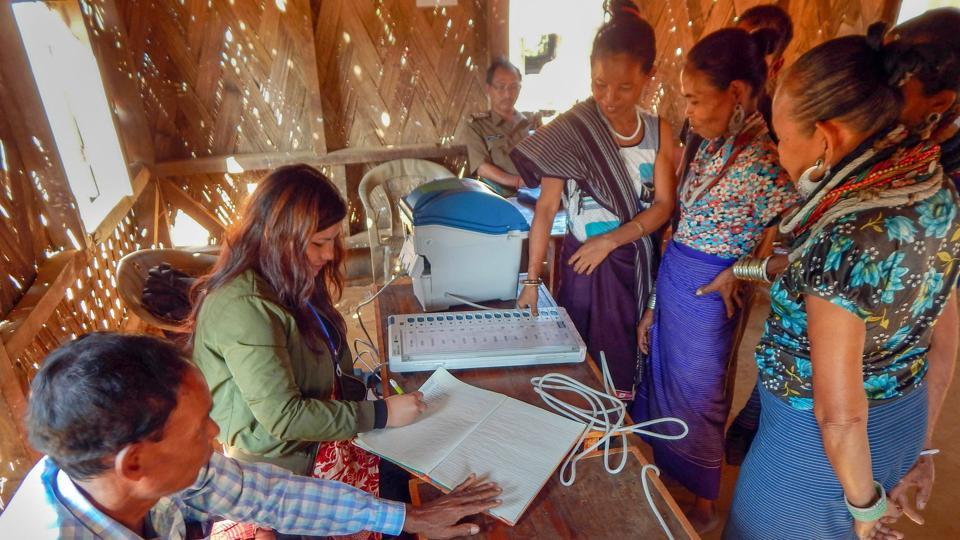
Mizoram has over 7,68,000 lakh voters (3,93,000 women) who will decide the fate of 209 candidates, 18 of whom are women. The state will have 1,164 polling stations across all eight districts.
“We had a good campaign and are hopeful. But non-availability of adequate funds for campaigning could affect our prospects. It is all up to voters now,” said JV Hluna, Mizoram BJP president.
While Congress president Rahul Gandhi drummed up support for the ruling party, the BJP’s campaign witnessed rallies by Prime Minister Narendra Modi, party president Amit Shah and union home minister Rajnath Singh.
Mizoram is the only Congress-ruled state in the northeast. It is also a state where the BJP is neither in power nor part of a ruling coalition.
This poll is expected to see voting by nearly 11,000 Bru voters, living in six relief camps in Tripura. The Brus are a scheduled tribe who had fled Mizoram in 1997 following ethnic clashes. Efforts to repatriate them to Mizoram have failed. They can cast their ballots at Kanhmun village in the Mamit district of Mizoram, located close to the border with Tripura. Opposition to a proposal to allow them to vote in Tripura by political parties and organizations in Assam, led the Election Commission to set up a polling station at Mamit to ensure they cast their votes in Mizoram.
The issue also led to the removal of a Mizo IAS officer from his post and the subsequent transfer of chief electoral officer SB Shashank.
“Forty companies of central police forces have been deployed across the state along with state police to ensure voting goes off smoothly. Nearly 10,000 personnel including polling officers will be on duty on November 28,” said chief electoral officer, Ashish Kundra.
For complete coverage of Mizoram Assembly Election 2018, click here
Elections in Christian-majority Mizoram are usually quiet affairs, due to certain guidelines issued by the Mizoram People’s Forum, a church-sponsored election watchdog.
Like previous polls, the direct contest is between the ruling Congress (in power since 2008) and the Mizo National Front (MNF). But several others including the BJP, the National People’s Party (NPP) and the Zoram Peoples Movement (ZPM) could play crucial roles in the formation of the next government.
The Congress and the MNF are contesting for all 40 seats while BJP has put up candidates for 39 and ZPM contesting for 35 seats. Chief Minister Lal Thanhawla who is contesting for both the Serchhip and Champhai South seats is among nine candidates who have filed nominations from multiple seats.
According to a report by the Association for Democratic Reforms (ADR) made public last week, nine candidates in the fray including CM Lal Thanhawla and MNF chief and former chief minister Zoramthanga, have criminal cases against them.