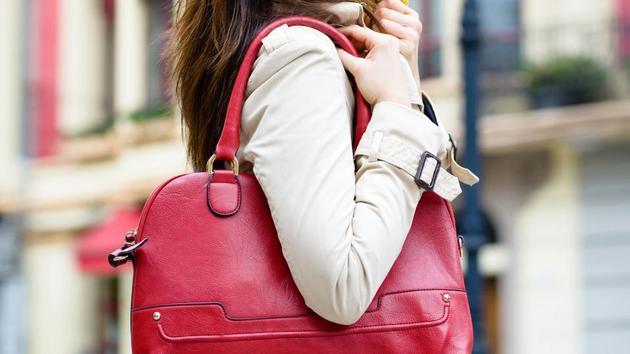
Do you often end the day with an ache in your back, neck, knees or head? It could be your bag causing the trouble. A heavy office bag is a common but barely-noticed trigger for lifestyle conditions relating to joints, spine, neck and back. Here’s a look at three key areas where your bag could be causing damage, and what you can do about it.
Heels and knees
Carrying a heavy shoulder bag pushes your body to lean at least a bit to one side. This can alter your natural gait, primarily the swing of your arms and legs as you walk. “Over sustained periods, this kind of unnatural gait can cause pain in the heels and knees,” says Dr Bal Mukund Jha, head of the department of physiotherapy at the Fortis Memorial Research Institute, Gurugram.
Neck, back and shoulders
{{/usCountry}}Neck, back and shoulders
{{/usCountry}}The load of a heavy shoulder bag can weaken the trapezius, which is the largest of the back muscles. “The added weight essentially makes the muscles in your back work a lot harder to keep you erect,” says spine surgeon Dr Gautam Zaveri. That’s why you end the day feeling stiff in the lower neck and upper back.
Headaches
The base of the neck is home to a mass of nerves, and is a trigger point for headaches. These tend to be what are called tension headaches, resulting from the strain on delicate nerves, from muscles that are being forced to do too much heavy lifting. “As a result, when neck and shoulder muscles spasm, it can cause pain in the back of your skull that radiates to the front,” says Dr Jha.
TYPES OF BAGS AND HOW THEY CAN AFFECT YOU
Tote
A tote is typically a spacious bag made for ‘toting’ around a range of things, from make-up to your laptop. This weight all on one side can cause a ‘dropped shoulder’, where one shoulder tends to hang a bit lower than the other, because of the steady strain — causing pain and spasm across the back and shoulders on both sides. To fix it, ignore the size of your bag and focus on its weight instead. Keep the weight down, and alternate between the shoulders.
Top handle
It’s fashionable to carry these bags by hanging them from the crook of your elbow. Fashionable, but not sustainable. The back of the elbow is not made for this kind of weight. There’s even a term American doctors coined in 2013 to describe the strain on tendons and muscles caused by this habit — Poshitis.
Satchel or cross-body bags
After backpacks, this is the best way to carry heavy items like your laptop. But you have to use the satchel right. Wear the strap across your body and keep the bag itself at or slightly above waist level. That way you’re not causing additional strain on the shoulder and back by hitting the bag when you walk. “And the closer the bag remains to the shoulder, the better the weight is distributed,” says Dr Zaveri.
Backpack
The backpack is your best bet, if your daily carry-arounds amount to more than 5% of your body weight. Backpacks — especially those with waistbands attached — keep the placement of the weight stable, and distribute it more evenly across a set of muscles in the back, shoulders and waist. Opt for thick shoulder straps, though; thin straps spoil the effect by localising the weight.
Follow more stories on Facebook and Twitter