Researchers have found that over-eating could be controlled through a brain circuit linked to feasting.
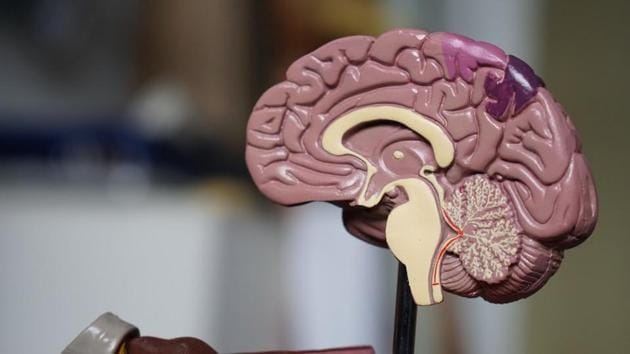
The state of impulsivity has been linked to eating disorders that can lead to threats like that of obesity, which later can have several psychiatric disorders including drug addiction.
A study on this can possibly make scientists develop certain therapeutics to address the issue of over-eating. A team that includes a faculty member at the University of Georgia has now identified a specific circuit in the brain that alters food impulsivity.
The team’s findings were published recently in the journal Nature Communications.
Emily Noble, an assistant professor in the UGA College of Family and Consumer Sciences who served as lead author on the paper said: “There is underlying physiology in your brain that is regulating your capacity to say no to (impulsive eating). In experimental models, you can activate that circuitry and get a specific behavioural response.”
The study noticed that a group of brain cells that produce a type of transmitter in the hypothalamus called melanin-concentrating hormone (MCH) is what to be focused on.
“We found that when we activate the cells in the brain that produce MCH, animals become more impulsive in their behaviour around food,” said Noble.
{{/usCountry}}“We found that when we activate the cells in the brain that produce MCH, animals become more impulsive in their behaviour around food,” said Noble.
{{/usCountry}}To test impulsivity, researchers trained rats to press a lever to receive a “delicious, high-fat, high-sugar” pellet, Noble said.
However, the rat had to wait 20 seconds between lever presses. If the rat pressed the lever too soon, it had to wait an additional 20 seconds.
Results indicated MCH doesn’t affect how much the animals liked the food or how hard they were willing to work for the food. Rather, the circuit acted on the animals’ inhibitory control, or their ability to stop themselves from trying to get the food.”
Noble said: “Understanding that this circuit, which selectively affects food impulsivity, exists opens the door to the possibility that one day we might be able to develop therapeutics for overeating that help people stick to a diet without reducing normal appetite or making delicious foods less delicious.”
(This story has been published from a wire agency feed without modifications to the text. Only the headline has been changed.)
Follow more stories on Facebook and Twitter