
 E-Paper



Love all: Meet the people building bridges between communities

 Prefer HTon Google


Heritage walks with a secular mission, help for the marginalised tenant, a matrimonial website that won’t list caste and creed - groups across India are turning drawing-room discussions into action plans.
What are the things you wish you could change about the world around you? Maybe it’s the way love is defined. Or how certain communities can feel pitted against each other.
Typically, we share these feelings with people who feel the same way. It’s a kind of echo chamber now mirrored on social media platforms like Twitter and Facebook.
In pockets across the country, groups are getting together to take those feelings offline and share them with anyone who will listen — through food tours, heritage walks, meet-ups and get-togethers.
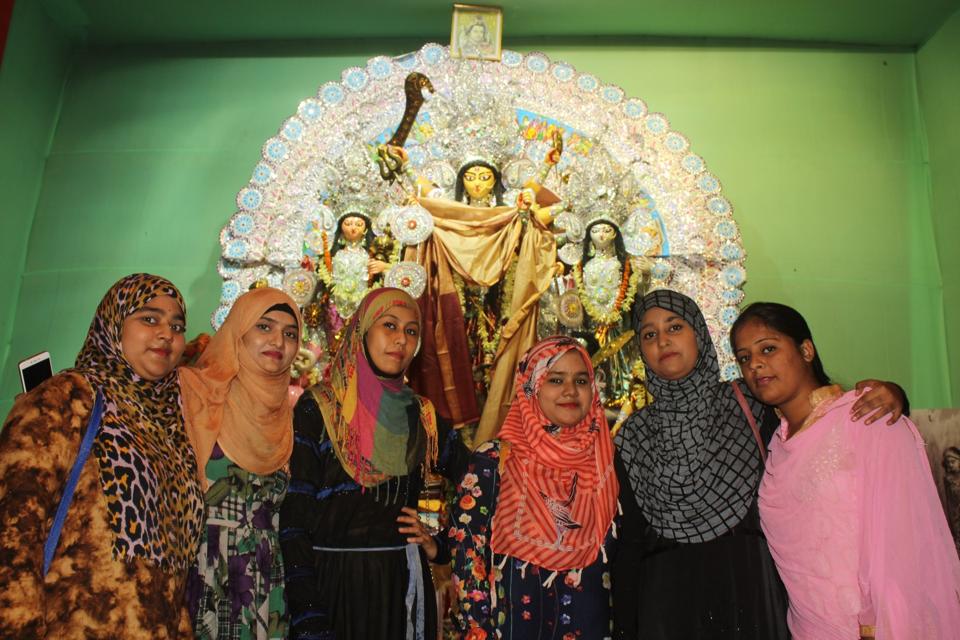
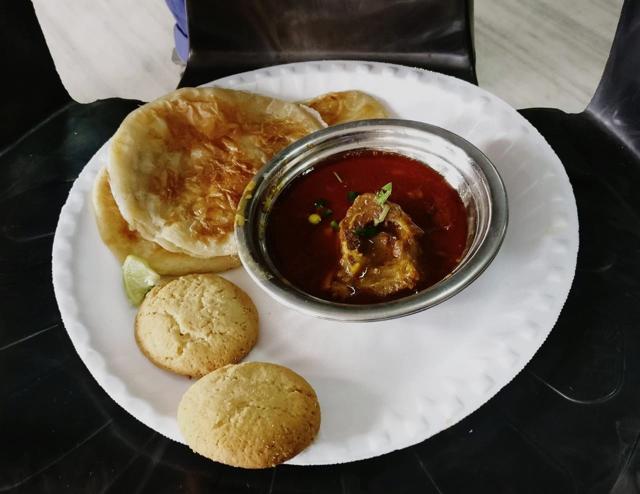
In October, Open A Door began helping marginalised groups find homes on rent — Muslims, Kashmiris, north-easterners. In Kolkata, a group called Know Your Neighbour organises heritage walks, breakfasts and discussions taking residents of one neighbourhood into another. So Muslims head to a Durga Puja pandal, Hindus to a ‘Muslim area’ and its mosque.
“The idea is to break stereotypes, help communities see how much they have in common, and how interesting the differences are too,” says Mohammad Reyaz, an assistant professor at Aliah University and one of the organisers of KYN.
In Kerala, sales consultant Abhliash Joseph started a non-religious matrimony website in November, where you can list your interests, preferences, hobbies, education, location, expectations in a partner — but not your caste or community.
“It’s meant exclusively for secular people in India. I started the site to counter the pressure on people who want to marry outside their religion and community,” Joseph says.
In Delhi, NGO Dhanak, which helps interfaith couples register their marriage, have started a short film contest to ‘spread the word that love is love’.
ALL TOGETHER NOW
Know Your Neighbour was launched in 2016 following incidents of communal violence in West Bengal. “The idea was to introduce communities to each other better. Among our walks, we conduct one in the Metiabruz area, which is often called a Muslim ghetto,” says Reyaz. “Awareness is the most effective tool against divisive forces.”
Kasturi Basu, a founder member of Open A Door, similarly felt there was no point just “lamenting growing communal polarization” in society. “You have to act against it,” she says.
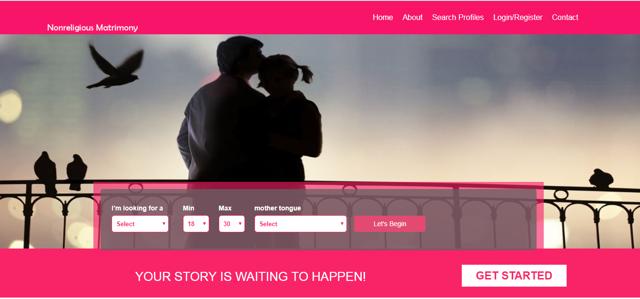
There is growing support for the movements, and even impact on a small scale. Open A Door has 1,437 members. The matrimony website has over a thousand registrations, according to Joseph.
People like Safiul Mollick, a tenant in Kolkata, are finding doors actually open for them that didn’t before. “I had always had a hard time finding a house to rent,” he says. “While studying for a PhD in Kolkata, I had eventually given up and begun searching only in the name of my flatmate, Satyaranjan. But this time when I started looking for a place in Kolkata in March, through Open A Door, it took me just a week to fine one.”
He signed up on the Facebook group after hearing about it from a friend, and says he began receiving getting responses as soon as he posted his requirement.
“Though these groups are not very large and all registrations may not even lead to results, these efforts are significant for the health of our democracy,” says Jagdeep Chhokar, founder member of Association for Democratic Reforms and former director-in-charge at IIM-Ahmedabad. “Efforts like these are upholding constitutional values,” he adds.
LET’S TALK
For Reyaz, equally important is the element of dialogue. “Our numbers may be small, but we hope that our initiatives are encouraging people to admit how little we know about each other and find ways we can understand each other better.”
Already, the walks are bringing down barriers in the mind.
“It was a fascinating experience,” says Abhijit Roy, a professor of film studies at Jadavpur University, of the walk through Metiabruz that he took in January. “I am not the kind to be sold on stereotypes, but being there, talking to people and hearing about the history of the place was enlightening.”
The journey for most of them does not stop here. Basu of Open A Door says, “We aim to bring more people together to form a larger citizens body which can work on issues like these across the country through legal help and community initiatives.”


