
 E-Paper



The F-word is back! Surge in number of young women who identify as feminists


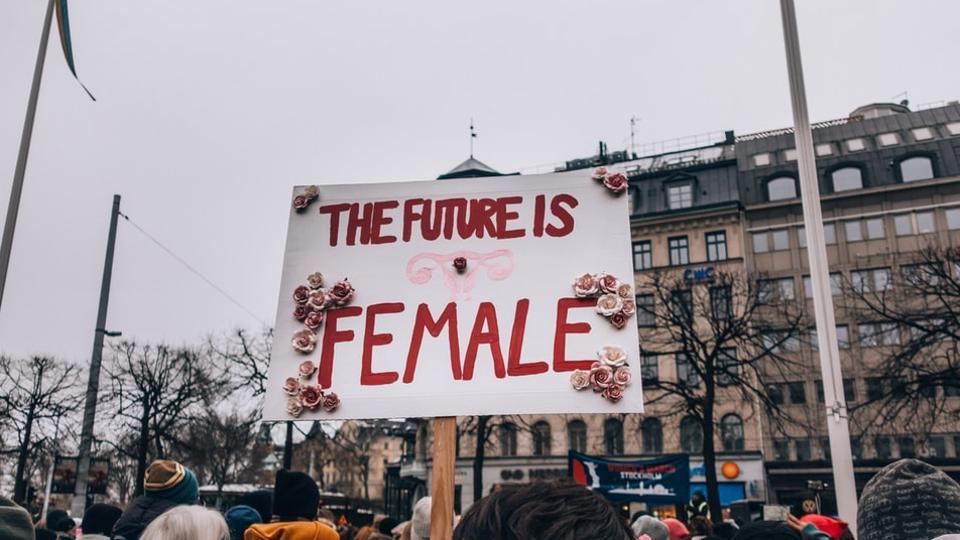
A survey of more than 4,000 women by feminist organisation Young Women’s Trust found the percentage of women aged 18 to 30 calling themselves feminists rose to 57% from 50% a year ago.
The majority of young women in England and Wales now identify as feminists, according to a study on Tuesday, with researchers attributing a rise in the past year to the #MeToo movement and the failure to stop discrimination at work.
A survey of more than 4,000 women by feminist organisation Young Women’s Trust found the percentage of women aged 18 to 30 calling themselves feminists rose to 57% from 50% a year ago.
Among women aged 18 to 24 the survey found 67% associated themselves with the term feminist, up 12% from when the question was first posed in an annual women’s poll last year.
A similar poll by the women’s rights group the Fawcett Foundation in 2016 found 19% of women aged 18 to 24 called themselves feminists while a 2018 YouGov poll found that 27% of women in the UK said “yes” when asked if they were a feminist.
“It’s fantastic to see so many young women reclaiming a word for so long falsely branded as toxic and now using it to assert their fight for equal rights,” Young Women’s Trust Chief Executive Sophie Walker said in a statement.
The survey, conducted by market research company Populus Data Solution, found that one in 10 young women took part in a demonstration or protest in the past year.
About 74% said women still face discrimination in the workplace, up from 71% last year, with one in four worried about being fired for reporting sexual harassment.
Figures earlier this year showed nearly half of all major British companies had failed to reduce their gender pay gap over the last year despite rising government and public pressure.
Women were found to earn 15 percent less than men five years after graduating, according to government data.
“The failure of today’s politicians to respond to women’s needs, the rise of misogynistic populism and the resulting resurgence of activism from the Women’s March to #MeToo has encouraged many young women to take matters into their own hands,” Walker said.
(This story has been published from a wire agency feed without modifications to the text.Only the headline has been changed. )


