Half my friends are very critical of the Big Move and half my friends are aggressively for it. Between these groups, I am left very confused and don’t know what to think of the demonetisation.
As an ordinary citizen, I am for it and want this bold move to succeed. But naturally I wish that the vulnerable were better provided for.
In this agitated state, I had reason last week to look at an old interview I did with the American Ramayana scholar, Paula Richman. I found in that conversation the strangest resonance with the differing narratives today.
For instance, there are reportedly 300 traditional versions of the Ramayana and hundreds of oral narratives. Sita’s fate upset so many people in the past that there are two kinds of Ramayanas in these traditional versions. “Sita is either banished or there’s a mangalam ending. There are more Ramayanas that favour a happy ending. In fact, as many know, there’s this theory that the Uttara Kandam (the banishment) was added later,” Richman had said.
About the variations in the theme, she added, “Some of the best stories relate to Lakshman’s wife, Urmila. In the modern Malayalam play ‘Kanchana Sita’ by Srikantan Nair, made into a film by Aravindan, Urmila whiles away her separation period by going to college. She sits with the most learned pundits to study the Dharma Shastras and by the time the 14 years are up, she’s an expert. So when Rama banishes Sita, she has a big debate with him. He justifies the banishment as “the will of the people” and not his own dharma as a husband. “But then”, says Urmila, “what about your own banishment? That was against the will of the people. But you insisted on upholding the king’s personal commitment.”
{{/usCountry}}About the variations in the theme, she added, “Some of the best stories relate to Lakshman’s wife, Urmila. In the modern Malayalam play ‘Kanchana Sita’ by Srikantan Nair, made into a film by Aravindan, Urmila whiles away her separation period by going to college. She sits with the most learned pundits to study the Dharma Shastras and by the time the 14 years are up, she’s an expert. So when Rama banishes Sita, she has a big debate with him. He justifies the banishment as “the will of the people” and not his own dharma as a husband. “But then”, says Urmila, “what about your own banishment? That was against the will of the people. But you insisted on upholding the king’s personal commitment.”
{{/usCountry}}Bhavabhuti had them meet and forgive each other and Ku Vem Pu’s Kannada story has Rama and Sita both going into the fire to purify their selves.
In the East, the Shakta Ramayanas apparently have Sita going out to combat and vanquish a 100-headed cousin of Ravana who suddenly shows up after the battle, when Rama is too exhausted to fight.
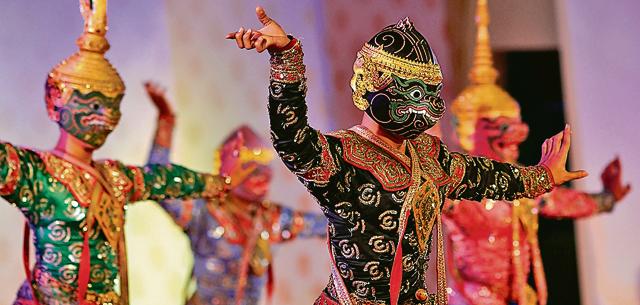
The South Indian Ramayanas, like Kambar’s or Ezhuthacchan’s, tend to be more lyrical and poetic, said Richman, while Kerala and Karnataka, because of Kathakali and Yakshagana, have the most talented Ramayana actors.
Ravana gets a lot of respect in South India as a warrior, scholar, veena player and devotee of Shiva. He is not demonised but in fact tells Vibhishan, “I know Rama is a good person, but I have to avenge my sister, Surpanakha.”
In the north, there is an anthology of devotees’ questions to Tulsidas, called the Sankhavali, which asks things like, ‘What did they eat in the forest’, ‘Which mother did they bow to first?’
Every region has some format in which the complexities of this epic are repeatedly raised, summed up Richman.
None of this consoles me about the sufferings of the tired and stranded. But as more information emerges about terrorists currently being stymied, it does give me grim perspective that truth has many realities.
shebaba09@gmail.com
The views expressed are personal