The Deonar slaughterhouse produces 1,000 units worth of electricity in a month using animal waste, according to civic officials. This can power a light bulb for about 10,000 hours.
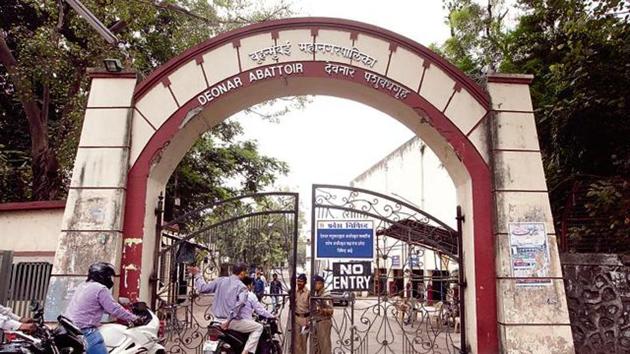
The slaughterhouse generates animal waste ranging between 7,000 to 8,000kg daily, and which is used to produce 40 kilowatts of electricity everyday using the natural process of biomethanisation, in which organic matter is decomposed by microorganisms in the absence of oxygen, in the dark and under specific temperature and pH conditions.
The Brihanmumbai Municipal Corporation (BMC) aims to use the electricity to light the 160 street lights and for other electric appliances in the slaughterhouse itself.
In an attempt to process its waste in an “environment-friendly” manner, the slaughterhouse authorities had sought to set up two biomethanation plants, of five metric tonne and 15 metric tonne capacity respectively, in the premises, at an estimated cost of Rs5 crore. The BMC had signed a memorandum with Bhabha Atomic research center to set up a bio methane plant in the premises in 2014.
The plant is one BMC’s attempts to achieve ‘zero garbage’ to the dumping ground target.
Stay updated with all the Breaking News and Latest News from Mumbai. Click here for comprehensive coverage of top Cities including Bengaluru, Delhi, Hyderabad, and more across India along with Stay informed on the latest happenings in World News.
Stay updated with all the Breaking News and Latest News from Mumbai. Click here for comprehensive coverage of top Cities including Bengaluru, Delhi, Hyderabad, and more across India along with Stay informed on the latest happenings in World News.