
 E-Paper



Good fan experience crucial to the success of a sport
Things started changing for the better in the past 15-20 years, after Indian cricket’s coffers started overflowing.


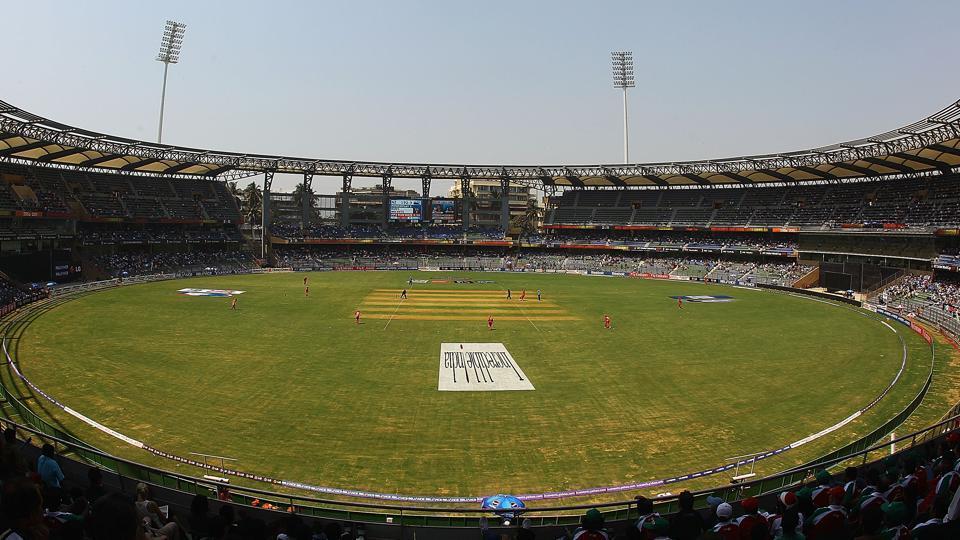
During the innings break in an IPL match at the Wankhede Stadium the other night, I saw a middle-aged spectator in an adjoining stand suddenly swoon and collapse. There was alarm at the man’s plight, with some fellow spectators also bemoaning that good money spent on a ticket was also now lost.
But all sympathy, genuine and fake, turned out unnecessary. By the time the second innings began, the man who was carried out horizontal, returned vertical on his feet, with a secure gait and took his seat with a beaming smile.
The cause of his temporary health setback, it transpired, was caused by dehydration. Given the sweltering heat that gripped Mumbai the past week or so, this was always a hazard.
The point I want to make, however, is not about why that man suffered but how swiftly he was brought back into the stadium to resume watching the game.
Apart from fellow spectators who were on hand to help, there were also paramedics at the ground to provide immediate attention. What would certainly have been a ‘hospital case’ in bygone days was sorted out within minutes.
One can’t but marvel at the dramatic changes that have taken place where spectatorship is concerned since I watched my first match at the Brabourne Stadium in the mid-1960s. The conveniences available these days for the paying spectator were unimaginable then.
My most vivid memories of watching Test matches at the Brabourne are from the East Stand. We had to reach the stadium a couple of hours in advance, such would be the rush, and despite that getting in would be a crush.
There were no numbered seats. In fact, there were no seats, only concrete platforms where a first-come-first-served system prevailed, but only so long as you did not leave it to go to the toilet or some such.
In the East Stands those days, I remember, there would be a game played between spectators called ‘pass on’. Whoever stood up in the middle of play would be bundled down, row-by-row, to the bottom of the stand, from where it would be impossible to regain the original seat!
Looking back over the decades, the flavour of the East Stand forms the romance of watching cricket while growing up for me and I wouldn’t have it any differently. But honestly, the facilities were miserable.
There were few outlets for drinking water or decent food. True, the East Stand catered to the ’janata class’ at the cheapest prices who largely brought their own food packets which would only add to the filth.
More serious was the dire shortage of toilets. Those that were there would generally be dirty. Women spectators were more badly affected and even worse the physically challenged. In fact I can’t remember any special facility for the latter.
I suppose women and the handicapped were not factored in as serious sports spectators then, for when the Wankhede Stadium came up in 1974, there was no discernible improvement in facilities — till the stadium got revamped in 2011 for the World Cup.
However, these experiences should not be misconstrued that things were better elsewhere: if anything, the Brabourne (certainly) and Wankhede were the best cricket stadia in the country. Some others I saw during my early years in journalism were frankly the pits.
Things started changing for the better in the past 15-20 years, after Indian cricket’s coffers started overflowing. Simultaneously, the demands from spectators also started growing for better value for money.
Live telecasts and competition from other avenues of entertainment changed the equation. In the old days, cricket (and other sports) authorities took spectators for granted. Now they were forced to meet expectations.
Spectator delight is arguably the most crucial component in the sports eco-system, apart from player interest and welfare. I was at the NBA All Stars game in Los Angeles earlier this year, and how they aim to enhance ‘fan experience’ is worth emulating in India.
The IPL has taken some steps in this direction though I would like to see greater interaction between fans and players, because it is the confluence of these two stakeholders that shapes best the health of the sport.
But there is no doubt that because of the IPL, a cricket fan’s experience is far richer today: from the accompanying razzmatazz to basic needs of clean toilets, potable water, decent food and instant medical help.
Of course, sometimes self-help is best. On hot summer days/nights, makes sense to ensure enough fluids in the body and not leave it to fate or the elements. Not everybody is lucky!


