Maharashtra governor Ch Vidyasagar Rao — using his special powers with regard to tribal areas in the state — made ‘hot cooked meals’ mandatory under the nutrition scheme run by the state for tribals.
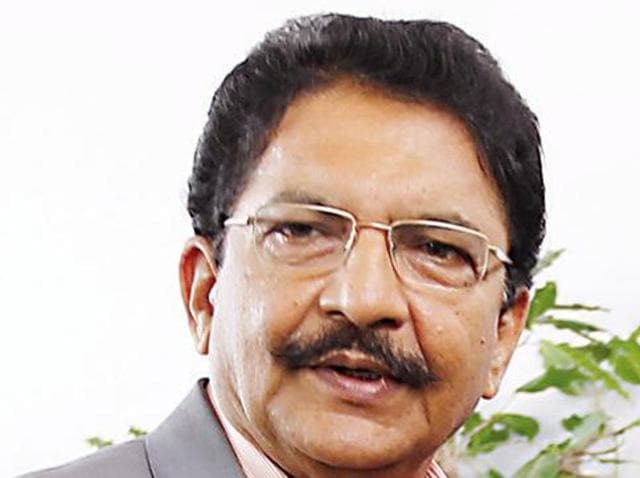
The governor amended the National Food Security Act, replacing the words ‘meal’ and ‘take home ration’ with ‘hot cooked meal’. “The word ‘meal’ shall be replaced with ‘hot cooked meal’ including eggs,” read the notification issued by the governor’s office.
The decision comes after a controversy over the increasing number of malnutrition-related deaths of children in the tribal-dominated areas of Palghar. Official figures put the number of malnutrition-related deaths at 245, even though activists have claimed this figure is much higher.
Activists and organisations said state intervention in tribal areas had not been effective.
Take home rations (THR) refer to pre-cooked food packets. Currently, this kind of supplementary nutrition is provided to the state’s vulnerable population — pregnant women, lactating mothers and children up to six years of age — under the Centre’s Integrated Child Development Scheme (ICDS).
However, Vinita Singhal, ICDS commissioner, clarified that the notification is related to the Dr APJ Abdul Kalam Amrut Aahaar Yojana for tribal areas that are run solely by the state.
{{/usCountry}}However, Vinita Singhal, ICDS commissioner, clarified that the notification is related to the Dr APJ Abdul Kalam Amrut Aahaar Yojana for tribal areas that are run solely by the state.
{{/usCountry}}Under the scheme introduced last year, the women and child development department, along with the tribal department must provide one full meal to pregnant and lactating women up to 15 months — right from confirmation of pregnancy up to six months post pregnancy. It must also provide eggs to children in the age group of 7 months to 6 years.
However, there had been complaints about the implementation of this scheme.
The notification states that the state shall make adequate financial provisions to meet the additional expenditure to be incurred. It also added a provision that eggs shall be provided to children aged above seven months and up to 6 years, as an additional item in anganwadis in the scheduled areas of the state at least four times a week. It mandates that suitable alternatives must be provided to children who may not prefer eggs.
Stay updated with all the Breaking News and Latest News from Mumbai. Click here for comprehensive coverage of top Cities including Bengaluru, Delhi, Hyderabad, and more across India along with Stay informed on the latest happenings in World News.
Stay updated with all the Breaking News and Latest News from Mumbai. Click here for comprehensive coverage of top Cities including Bengaluru, Delhi, Hyderabad, and more across India along with Stay informed on the latest happenings in World News.