
 E-Paper



Squatting on a road to win a poll
Most candidates decided to give up their cars and campaign on foot. Of course, that brought them closer to their voters, but then it was also the sweltering hot month of May and Jaywantiben was already 60.


I do not know much about Jaywantiben Mehta to do her justice in a tribute. But in the 1990s, when Indian polity was in a major churn, my most enduring image of her is from the 1996 Lok Sabha elections. That was the first general election after the “Seshan effect” came into being.
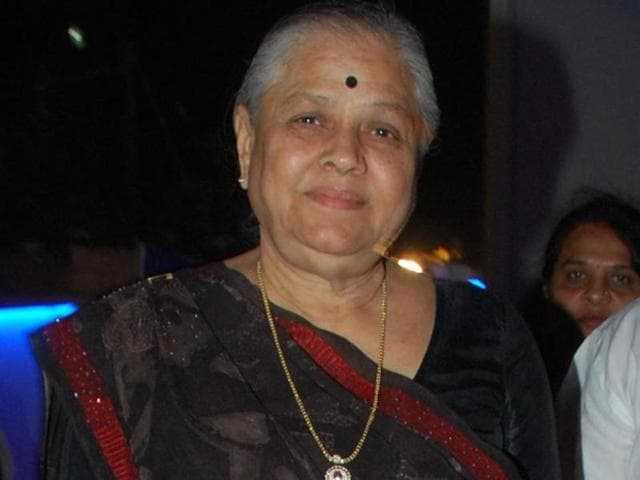
The then chief election commissioner TN Seshan had decreed that he would not allow any candidate to exceed the then (and even now) ridiculous limits on election expenditure. Seshan had hired videographers to follow each candidate on their campaign trail and even petty expenses like tea and biscuits had to be accounted for, adding to the costs.
So, most candidates decided to give up their cars and campaign on foot. Of course, that brought them closer to their voters, but then it was also the sweltering hot month of May and Jaywantiben was already 60.
After campaigning in Cuffe Parade, she decided to walk to Marine Drive. But by the time she got to Mantralaya, she was already flagging. Just as she and her ‘foot soldiers’ reached near the Air India building, she could take it no more and abruptly sat down on the road with her legs stretched out. She did not even accept the offer of a chilled bottle of aerated water for fear that it would be added to her electoral expenses. It was a long time before she felt up to rising and making it to the cool confines of a residential building nearby.
It made for a wonderful story, but those were the times before the explosion of the television medium and social media. There were not too many reporters or photographers around and, in any case, her rival Murli Deora of the Congress had better media relations. The story hardly made it to the newspapers. But she won that election nevertheless and became a minister in the Atal Bihari Vajpayee government in 1999. By then, the Seshan effect was on the vane and elections had become so frequent they had turned unremarkable.
However, in 2004, Jaywantiben was up against Milind Deora, the young son of the man she had defeated more than once. Milind came to the polls without any baggage that year while Jaywantiben was under severe attack from voters for doing little for the constituency. That is my second-most enduring image of her – her battle with Milind on a television channel.
She was being harangued by not just Congress workers in the audience, but also those from the BJP who believed the ticket should have gone to a worthier rival. Jaywantiben knew what was afoot and soon lost her cool. She walked off the show in a huff. I instinctively knew then she would lose that election just as I knew she would win when she had squatted on the road at a previous poll.
Her passing away last weekend brought back memories of those turbulent years from a different era. To quote the recent statement by Raj Kamal Jha of the Indian Express, today’s journalists are growing up in an era of likes and retweets. I may add they barely have to put in the kind of effort that we used to do in our salad days as reporters. That summer election in 1996, I had a hard time too following all the candidates on foot with never the luxury of squatting in the middle of the road in protest. Mobile phones had not made their appearance then and we had to work in the hard old-fashioned way of dashing across to office to file stories and rush back to the campaign trail, hoping we had not missed anything significant in the meantime.
Once a candidate and his or her workers left home or office, there was no way to stay in touch, except to catch up with them on the campaign trail. Or wait until their return – which would be late evening and too close to the newspaper deadlines to be worth the second-hand information to roll in through press notes. It was always more practical to be on the spot – and that is what has given me my most enduring stories over the years, Jaywantiben Mehta’s among the most tickling pink of them all.

Stay updated with all the Breaking News and Latest News from Mumbai. Click here for comprehensive coverage of top Cities including Bengaluru, Delhi, Hyderabad, and more across India along with Stay informed on the latest happenings in World News.


