Mumbai has seen a sharp dip in H1N1 cases this year, and public health experts have suggested that this could be because the population has acquired immunity against the virus.
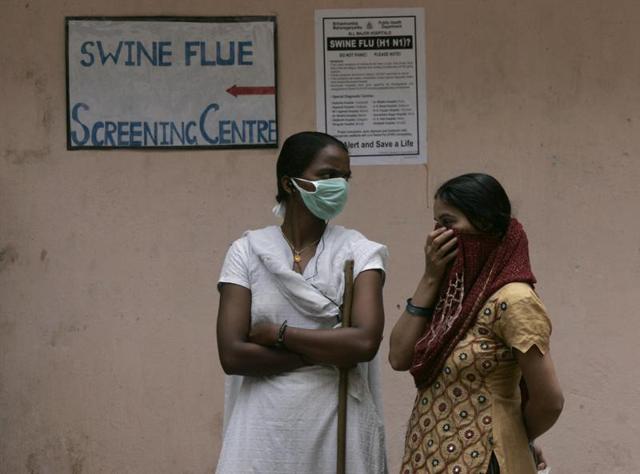
The Brihanmumbai Municipal Corporation (BMC) reported just one case between January and April, compared to 1775 cases between January and April 2015. A total of 52 H1N1 related deaths were reported in 2015, when the infection was at its peak.
“We record cases for both public and private hospital. The only case that was reported this year was from a private hospital,” said Dr Mini Khetrapal, epidemiology department in-charge, BMC.
Public health experts said that the sharp decline in the number of H1N1 cases, suggests that people have built immunity against the virus. “After being exposed to the H1N1 virus least year, the immunity among people, for this virus, has increased,” said Dr Amar Pazare, head of medicine, KEM Hospital, Parel.
“Historically, the influenza viruses are known to mutate and change its structure around every ten years. Once people are exposed to a particular strain, their bodies start making antibodies against the strain,” he added.
{{/usCountry}}“Historically, the influenza viruses are known to mutate and change its structure around every ten years. Once people are exposed to a particular strain, their bodies start making antibodies against the strain,” he added.
{{/usCountry}}According to Dr Om Srivastava, a city-based infectious disease specialist, people have become more aware about influenza after the 2015 H1N1 outbreak in the city. “People, who are at high-risk of catching the flu, like diabetics and pregnant women are more alert and getting themselves vaccinated,” he said.
Many doctors said also that the soaring temperatures this year, could be an additional factor, responsible for the decline in the number of H1N1 cases. “The infection is usually at its peak, during spring, monsoons and winters, when the temperatures are lower.” said Dr Dhruv Mamotra, microbiologist and infection control officer, SL Raheja Fortis Hospital, Mahim.
“The transmissibility of the virus could have decreased this year as the summer temperatures are higher than last year. It is quite likely that we will not see more infections in the coming months,” he added.
Stay updated with all the Breaking News and Latest News from Mumbai. Click here for comprehensive coverage of top Cities including Bengaluru, Delhi, Hyderabad, and more across India along with Stay informed on the latest happenings in World News.
Stay updated with all the Breaking News and Latest News from Mumbai. Click here for comprehensive coverage of top Cities including Bengaluru, Delhi, Hyderabad, and more across India along with Stay informed on the latest happenings in World News.