
 E-Paper



Sona Mohapatra gives her own spin to Nit khair manga, says it has never been officially sung, released by an Indian female artiste
The singer feels the song is like a prayer to the music Gods and carries the message of peace and healing.


Her feisty and flamboyant personality often reflects in her music. And perhaps that’s what sets Sona Mohapatra from the rest. The singer says she is the only Indian female artiste to have professionally recorded the popular qawwali, Nit Khair Manga. To her, the song is “like a prayer to the music Gods and carries the message of peace and healing”, and she believes “we need more of this in these times of uncertainty and turmoil” amid the Covid-19 crisis.
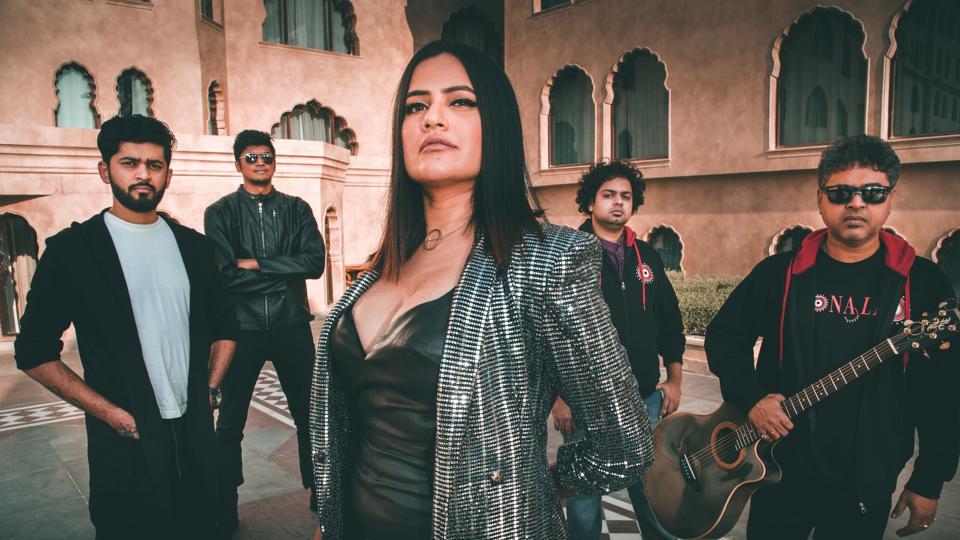
Proud to have sung this song, which will release soon, she says, “I realised many legendary singers have rendered this timeless Sufi qawwali, but it has never been officially sung and released by a female artist. To interpret this song from a feminine perspective has been deeply satisfying as selfless love is a quality that makes it a love song that has many interpretations.”

She shares that it has been recorded by live musicians completely, with everything analog and nothing electronic. And it reflects, as she says, “the sound of world class musicianship across continents, all coming together to create a contemporary world sound of transcendental love”.
One of the popular renditions of this traditional qawwali is by Nusrat Fateh Ali Khan. The song has also been popularised by singers Hans Raj Hans and Rahat Fateh Ali Khan. Sona’s version is produced by her musician husband Ram Sampath. The video featuring Sona and a live band was shot before the lockdown.
Sampath has given it a “unique fusion spin with tablas and desi guitars styles” with percussion by American drummer Michael Bland, who had earlier collaborated with Prince and Nick Jonas, and popular bass player JR Johnson. It’s a version that goes from “reggae to rock and qawwali”.
A big fan of Nusrat Fateh Ali Khan, Mohapatra usually performs an ode to his musical repertoire in her concerts. “I wanted this traditional song which he too has rendered, to be a part of my film (Shut Up Sona) in the context that all Sufiana Kalaams are sung by male performers, but from a female perspective. It feels like one needs to be a ‘woman’ to completely surrender to love and the eternal.”
She finds that there’s a “spiritual quality” to this song of unconditional love, and she hopes she has done justice to it.


