In many parts of the country, especially in those which are remote and with restricted access to medical facilities, home births have been considered something of a tradition, even as they increased the risks to maternal and neonatal health with greater chances of postpartum haemorrhage, infections, and delays in emergency care. For some years now, a quiet change has been taking place across many states. In Bihar, just two years ago, more than 40% of deliveries in 80 panchayats across 11 districts took place at home. Today, those same panchayats are leading from the front with institutional deliveries becoming the accepted standard of care. This has come about because of the government’s home delivery-free panchayat campaign.
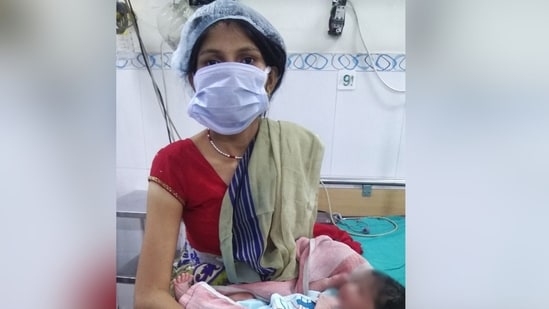
Dr Meena Samant, director of obstetrics and gynaecology, Medanta, says, “Proper management of emergency complications arising during childbirth is possible only in modern medical facilities. Bihar’s home-delivery-free model demonstrates that the synergy between social behaviour change and health services can effectively reduce maternal mortality rates.”
The state health department recognised that this was not just a medical issue but a social one. It thus targeted behaviour change, orienting ASHAs, ANMs, CHOs, and facilitators to engage directly with communities. Coordinated arrangements at the panchayat level tracked pregnant women, monitored probable delivery dates and provided timely access to the health institutions. Areas where home deliveries once exceeded 40% have seen these drop to 5-8.5%.
Also Read | No woman should die giving birth in India in 2026
Muzaffarpur district has emerged as the most compelling example, where home deliveries have fallen to just 2% across 19 panchayats. “We went door-to door to explain to every household that delivery in the hospital is safe for both mother and child,” says Vibha Kumari, head of Bagha Khal panchayat. Today, no deliveries take place at home in her village.
{{/usCountry}}Muzaffarpur district has emerged as the most compelling example, where home deliveries have fallen to just 2% across 19 panchayats. “We went door-to door to explain to every household that delivery in the hospital is safe for both mother and child,” says Vibha Kumari, head of Bagha Khal panchayat. Today, no deliveries take place at home in her village.
{{/usCountry}}Dr Sudhir Kumar, civil surgeon, Muzaffarpur, says that “limiting home deliveries to just 2% in Muzaffarpur is a prime example of public participation and systemic commitment”. He commended the dedication of ASHA workers, ANMs, CHOs, and local panchayat representatives in transforming age-old mindsets.
The experience of Neelam Devi of Bagha Khal illustrates this transformation. During her first childbirth at home, she faced severe bleeding while the midwife insisted everything was fine. For her second child, she chose a government hospital, where she received security and care that could never have been provided at home. Villages once bound by tradition are now embracing safe motherhood through institutional delivery.
The Muzaffarpur model inspired other districts. In Saran, the Basahiya and Kondh panchayats reduced home deliveries from 45% to near zero. In Kishanganj’s Bahadurganj, Dighalbank, Tedhagachh, Pothia, Kochadhaman, and Thakurganj blocks, 95-100% of deliveries now occur in hospitals, proving that geography need not be a barrier when administration, panchayats, and health systems work together.
Also Read | Why balancing work and motherhood is still hard
Dr Indira Prasad, additional professor and gynaecologist, AIIMS, says, “The most effective way to reduce maternal and neonatal mortality is through safe institutional delivery. But it will be sustainable only if women in hospitals get respectable and quality services and availability of all-weather transport in remote areas.”
Bihar’s 80 home-delivery-free panchayats offer hope in a state where maternal mortality remains higher than the national average. Where home delivery was once tradition, institutional delivery now has social acceptance. Decades-old beliefs change when communities, leaders, and health systems unite.
The views expressed are personal