Last month, an Indian pharmaceutical company accomplished something unprecedented. Wockhardt became the first Indian pharmaceutical company to win approval from the US Food and Drug Administration for a new chemical entity that it had discovered, developed, and commercialized itself. Its new intravenous antibiotic, Zaynich — a combination of cefepime and the novel agent zidebactam — marks a turning point for an industry that has typically worked on producing cheaper versions of medicines invented elsewhere. But this is changing and Indian companies are beginning to create new drugs that the world needs.
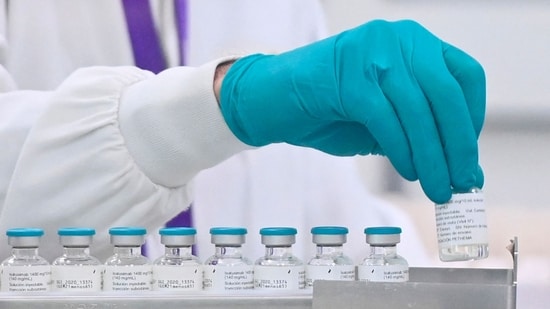
At a time when many antibiotics are failing because of bacterial resistance, Zaynich was approved for complicated urinary tract infections caused by Gram-negative bacteria, among the most difficult pathogens to treat because resistance has advanced furthest against them.
In its pivotal trial, the drug achieved an overall treatment success rate of 89% compared with 68% for meropenem, one of the antibiotics doctors currently reserve for the most resistant infections. Truly novel antibiotics against Gram-negative bacteria have been exceptionally rare for decades. Most of the world's large pharmaceutical companies have abandoned the field because antibiotic development is costly, commercially uncertain, and aimed primarily at high-income markets where the number of patients requiring these drugs is too small to sustain traditional business models.
Also Read | Powering India’s biologics future
{{/usCountry}}Also Read | Powering India’s biologics future
{{/usCountry}}Meanwhile, in Bangalore, a smaller company, Bugworks has been developing an antibiotic of its own, BWC0977, built around a new mechanism designed to inhibit bacterial replication and overcome existing resistance. It too targets the multidrug-resistant Gram-negative infections that kill patients in intensive care units and has attracted funding and partnerships from international organizations established to revive antibiotic research, including CARB-X and the Global Antibiotic Research and Development Partnership. Until recently, work of this kind was concentrated in places such as Boston or Basel, rather than Bangalore or Mumbai.
Taken together, these two programmes suggest that Indian companies are beginning to invest in the riskiest part of pharmaceutical science: discovering entirely new medicines. Antibiotics are also among the least attractive commercial products. Drugs for diabetes or cancer may be taken for years; a good antibiotic is prescribed for days and then deliberately held in reserve to slow the emergence of resistance. But there is a good reason to focus on new antibiotics, because many of the patients in need are right here.
Also Read | Indian pharma’s defining year: Navigating disruption and preparing for a new global order
Indian innovation could also transform access for Indian patients. When a new antibiotic is invented in a high-income country, it often remains there. Research from the One Health Trust found that of 25 novel antibiotics approved between 1999 and 2014, only 12 were ever registered in more than 10 countries. Newer drugs have fared little better: Of 18 antibacterials approved during the decade to 2020, most were commercially available in only three high-income countries — the US, Britain, and Sweden — while the rest of the wealthy world had access to fewer than half of them. If rich countries wait years for these medicines, poorer countries often wait far longer, if they receive them at all. Manufacturers price these drugs for wealthy markets, and have little incentive to navigate dozens of smaller regulatory systems for uncertain commercial returns.
For an Indian company the largest market is often India itself, followed by the low- and middle-income countries where its commercial networks already run deep.
These are also the countries bearing the greatest burden of drug-resistant infections. India alone reports resistance rates approaching 80% for some infections caused by Acinetobacter, Klebsiella, and E. coli. When the inventor and the patient are in the same part of the world, the gap between regulatory approval and clinical use can shrink dramatically. Innovation that originates in the Global South is far more likely to reach patients there quickly.
Also Read | Strategic impacts of India's biotech revolution on global pharma
All this is encouraging, but it is not enough to meet the full challenge of antimicrobial resistance. The conditions that produced Zaynich and BWC0977 remain fragile, and governments can strengthen them. The first priority is to invest in the wider research ecosystem including academic laboratories, microbiology departments, and translational institutes that generate the science and trained personnel on which companies are able to build on. The second is to make clinical trials faster, more predictable, and less expensive through a well-staffed regulator and a national network of high-quality trial sites. Finally, antibiotics require different economic incentives from other medicines. The government's recent push to expand domestic biopharmaceutical capacity and accredited trial sites is a welcome start, but antibiotics — with their uniquely weak commercial economics — will also require targeted support, including advance purchase commitments and other pull incentives that make antibiotic discovery commercially viable.
Innovation alone cannot solve antimicrobial resistance. Every antibiotic prescription gives bacteria another opportunity to evolve and we need to do our best to reduce the need for these powerful drugs. We can build a stronger pipeline, but we cannot innovate faster than the bacteria can adapt. As we celebrate new antibiotics, we must also ensure that we do not squander them through unnecessary prescribing, unrestricted over-the-counter sales, and indiscriminate use in agriculture.
That means the less glamorous work must accompany scientific breakthroughs. Vaccines prevent infections that would otherwise require antibiotics, preserving these medicines as well as protecting patients.
Clean water and sanitation reduce the spread of resistant organisms before treatment is ever needed. Strong infection control in hospitals prevents the most dangerous bacteria from passing between the sickest patients.
For half a century, India earned its place as the pharmacy of the world by making essential drugs affordable. It now has the opportunity to become a country that discovers them as well.
In the case of antibiotics, the promise of leading the fight to treat bacterial infections will depend not just on whether the country can both build new antibiotics, but also have the discipline to use them judiciously without squandering their effectiveness. While there is hope on the former, the latter remains an open question.
Ramanan Laxminarayan is president, One Health Trust. The views expressed are personal