
 E-Paper



Scientifically Speaking | Don't ignore methane, the more potent greenhouse gas
Methane, an invisible gas, can be thought of as a thicker blanket than carbon dioxide — one that is capable of warming the planet to a greater extent in a shorter period, exacerbating the climate crisis

 Prefer HTon Google


Methane is an invisible gas that can significantly exacerbate the climate crisis. It is a hydrocarbon that is a major constituent of natural gas used as fuel to run stoves, heat homes, and also to power industries. Methane receives much less attention than carbon dioxide, but it’s recently been in the news because of the conflict in Ukraine and due to new research on leakage of the gas in the Permian Basin — a fossil fuel-rich part of the United States (US).
Right now, the invasion of Ukraine has led to a major spike in natural gas prices. Russia is one of the leading exporters of natural gas to the rest of Europe. Around 40% of the natural gas used in the European Union originates in Russia, most of it coming through pipelines. Russia also supplies substantial coal and oil.
In the short term, this spike in prices might lead European nations to seek out coal to run plants. But in the medium- to long-term, there could be a faster transition to wind, solar, and even nuclear energy. Europe has plans to reduce natural gas dependence on Russia drastically before next winter.
Like coal and oil, natural gas is a fossil fuel. In the hierarchy of fossil fuels, natural gas is seen as a lesser evil than coal. In addition to the emission of greenhouse gases, the burning of coal also leaves particulate pollutants. Many countries have been using natural gas as a “bridge” energy source on the road to renewables. But how much better natural gas is than coal in terms of emissions depends on how much methane escapes during the course of extracting, shipping, and using natural gas.
Methane can be thought of as a thicker blanket than carbon dioxide — one that is capable of warming the planet to a greater extent in a shorter period. It traps more heat than carbon dioxide: Some estimates say around 80 times more in 20 years. So, methane has an immediate effect on warming the planet. However, unlike carbon dioxide which remains in the atmosphere for hundreds of years, methane exerts its warming effects for roughly a decade.
We know that methane is rising in the atmosphere, but there’s no consensus among scientists on how much methane is coming from various sources. Whenever companies drill for natural gas, methane is vented out. Much of the methane being released is due to “ultra-emitters”, which spew out copious amounts of the gas.
There are also biological sources of methane. Nearly two decades ago, I worked out important biological steps in how methane is made from some organic compounds by methane-generating microbes known as methanogens. Many different methanogens have been isolated from various natural environments where little or no oxygen is present. Such environments include wetlands, landfills that are not well vented, and submerged paddy fields. Cows also belch out methane.
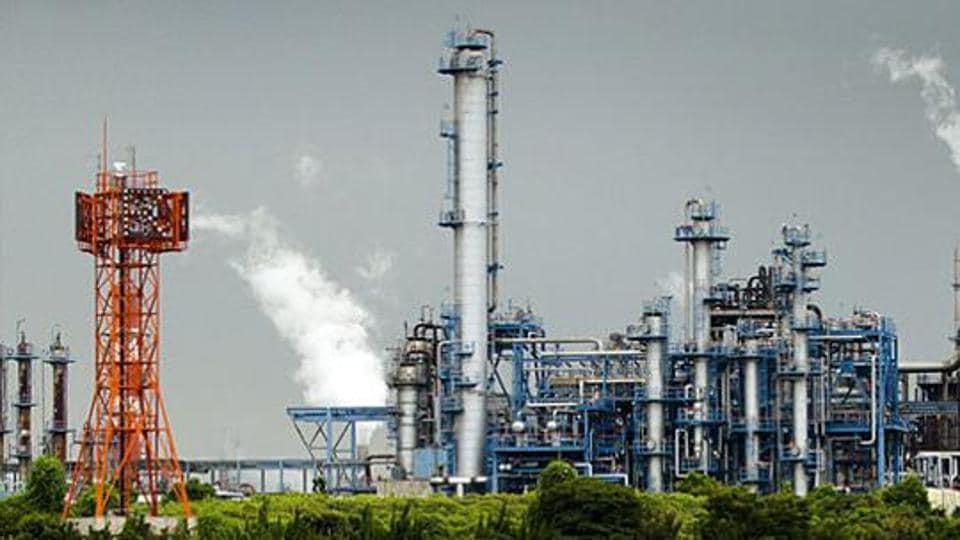
Fugitive emissions of methane from gas, coal, and oil sites are contributing to the climate crisis, but the extent of leakage of this potent greenhouse gas has been difficult to determine. Methane leakage occurs at every stage of the supply chain from extraction and transport to use in homes and industries. Helicopters, planes, and drones armed with infrared cameras, and satellite images have all shown that methane is leaking from the Permian Basin in Texas and New Mexico in the US.
A new study in the journal Environmental Science & Technology has estimated that over 9% of gas production in the Permian Basin is leaked as emissions, in contrast to the 1.4% predicted by the US Environmental Protection Agency. Scientists at Stanford University used airborne sensors to detect leaking methane. They flew over every major oil and gas production facility in the Permian Basin, covering more than 26,000 wells in 115 flights over 16 months. Aerial surveillance was able to capture emissions across a larger area than might be possible from the ground.
Quoted in an article in The New York Times covering the new findings, Amy Townsend-Small at the University of Cincinnati (who did not contribute to the Stanford study) said, “If this result is similar in other basins — which we don’t know if it is — that would eliminate the greenhouse gas emission savings of the coal-to-gas transition.”
At COP26 in Glasgow, over 100 countries signed an agreement to cut methane emissions by 30% by 2030. Methane might be easier to deal with than carbon dioxide (which is more deeply embedded in the global economy). But controlling methane emissions will require further scrutiny of its sources. To this end, satellites that will track methane leakage have been planned; one of them, MethaneSAT is scheduled for launch later this year.
Anirban Mahapatra, a scientist by training, is the author of COVID-19: Separating Fact From Fiction
The views expressed are personal


