Tucked away in a safe house at an undisclosed destination in Delhi, “R” is teaching me about love. He’s the Hindu son of a farmer in love with a Muslim woman he met in Lucknow. In an era when interfaith romances are frowned upon and where seven states have “love jihad” laws premised on a conspiracy theory unproven in any investigation, wherein Muslim men marry Hindu women with the purpose of getting them to convert, marriage seems like an
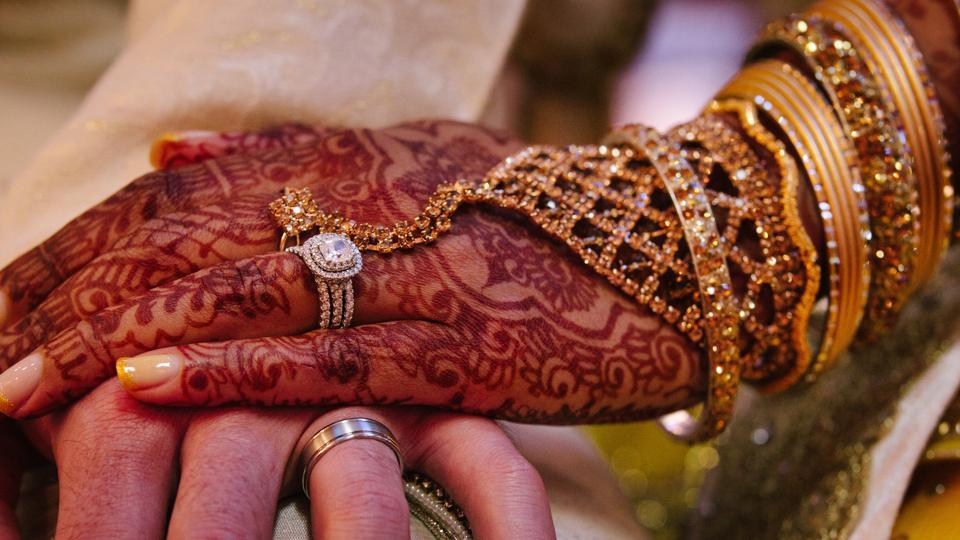
Tucked away in a safe house at an undisclosed destination in Delhi, “R” is teaching me about love. He’s the Hindu son of a farmer in love with a Muslim woman he met in Lucknow. In an era when interfaith romances are frowned upon and where seven states have “love jihad” laws premised on a conspiracy theory unproven in any investigation, wherein Muslim men marry Hindu women with the purpose of getting them to convert, marriage seems like an ambitious project. Just this week, a Dalit man and his Muslim girlfriend were killed in Uttar Pradesh (UP).
When R’s partner’s parents found out, the couple had to seek police protection. They’ve now given notice to marry under the Special Marriage Act (SMA) but, unwilling to take any chances in Lucknow, have moved to Delhi while they wait.
There is no notice required for a religious Hindu or Muslim marriage. But the SMA mandates 30 days with personal details including names, phone numbers, and addresses put on public display.
What this public notice can do is serve as a red flag to vigilante groups. In the first half of 2020 in Kerala, details of as many as 120 interfaith couples were leaked on social media. In July, the state government stopped uploading marriage licences online.
“A couple that is marrying under SMA is in a hurry because often they have run away from home,” said Asif Iqbal who runs a non-profit, Dhanak for Humanity, that supports interfaith and inter-caste couples legally.
In a country where 93% of urban Indians choose arranged marriages, the course of true love is not always smooth. The law does not require parental approval. Yet, some states routinely send notices home where couples face the most opposition. It took a high court order in 2009 to stop the practice in Delhi, another one in 2018 to stop it in Rajasthan and, again in 2018 to restrict it in Haryana.
The Supreme Court has often spoken up for love, whether it’s Hadiya who converted to Islam in Kerala or Lata Singh who had an inter-caste marriage in UP.
But on Tuesday, it refused to hear a petition challenging the SMA provisions saying that the petitioner who had an interfaith marriage was motivated by “personal cause”, so her petition could not be considered in the public interest.
“When a superior court dismisses a petition, it has a psychological impact on the lower court,” said advocate Utkarsh Singh who has two petitions challenging SMA provisions pending in the Delhi high court.
Only one case now remains in the Supreme Court. Filed by a law student from Kerala, the then Chief Justice SA Bobde had asked her lawyer Kaleeswaram Raj: “If children run away to get married how the parents would know… [their] whereabouts?”
Notwithstanding that astounding question, the court issued notice to the Centre asking it for its stand. That was in September 2020. It has still to receive a reply.
Namita Bhandare writes on gender
The views expressed are personal
One Subscription.
Get 360° coverage—from daily headlines
to 100 year archives.
Archives
HT App & Website