
 E-Paper



Photos | Cities of the future: As seen on screen
Movies and TV shows set in the future have imagined a variety of backdrops against which to set romances, mysteries, thrillers and adventures. See how they imagine the worlds of tomorrow.
Published on: Apr 1, 2022 3:03 PM IST


Share via


Copy link

1/11
 View Photos in a new improved layout
Published on Apr 1, 2022 3:03 PM
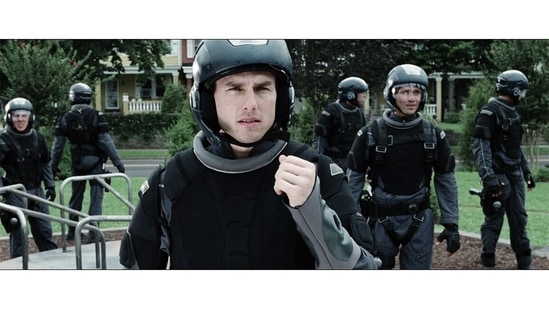
For Minority Report (2002), director Steven Spielberg worked with a team of futurists to make scientific, believable predictions of what an American city of the coming decades might hold. Privacy is a commodity, transport is self-driving, the cars drive up building walls, there are robot trackers, and everything is secured by biometric signature. We’re already halfway there. (Courtesy Dreamworks Pictures)
2/11
 View Photos in a new improved layout
Published on Apr 1, 2022 3:03 PM
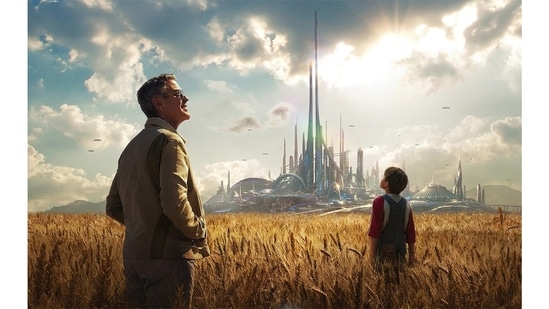
Many believe the 2015 film Tomorrowland was ahead of its time. But the city of huge robots and steel buildings and a sinister sense of always being watched, is familiar. Could innovators from the past and the present work together so mankind can have a future? And could that future be a comfortable one for all kinds of people? (Courtesy Walt Disney Pictures)
3/11
 View Photos in a new improved layout
Published on Apr 1, 2022 3:03 PM
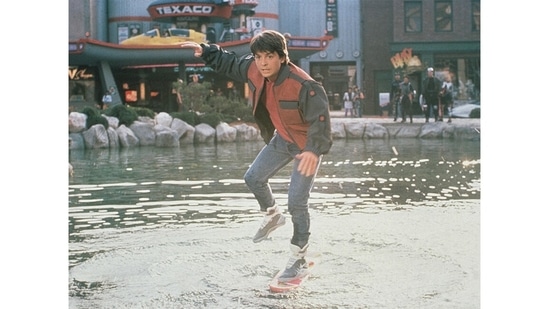
The city of Back To The Future II (1989) is the one most ordinary folks want – a world that looks like it has been stuck in the 1980s but comes with all kinds of useful gizmos. There are floating hoverboards, self-lacing shoes, cool fast cars, digital window views, and endless sequels to Jaws. Great Scott! (Courtesy Universal Pictures)
4/11
 View Photos in a new improved layout
Published on Apr 1, 2022 3:03 PM
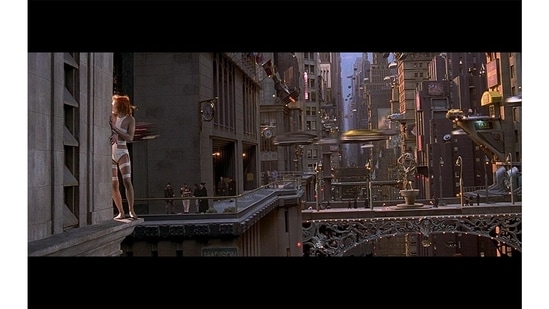
The Fifth Element released in 1997 but it’s still a good way to dream about what our lives might look like in the decades to come. Of course, there are flying taxis, self-making beds, shuttles to resort islands in outer space and a multi-pass to access it all. And finally, we’ll have found aliens and found ways to live with them too. (Courtesy Columbia Pictures)
5/11
 View Photos in a new improved layout
Published on Apr 1, 2022 3:03 PM
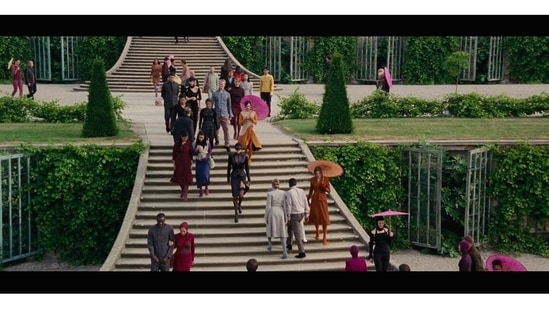
The ideal, running-like-clockwork city of Bregna in Aeon Flux (2005) surely must he hiding something. Pregnant women keep disappearing. And it is up to a warrior to find out what’s keeping mankind going. Spoiler alert: It has something to do with recycling human DNA. (Dreamworks Pictures)
6/11
 View Photos in a new improved layout
Published on Apr 1, 2022 3:03 PM
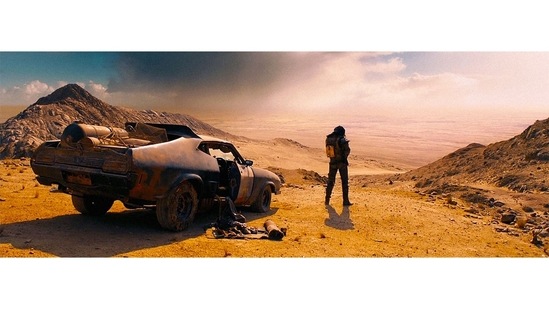
Fury Road (2015) is what you get when you take development too far. Everything falls apart, and you’re left with an arid desert landscape, with only bits and piece of your ld tech and culture. Resources like fresh water will be hoarded, the poor will suffer the most and you might need a long exciting chase movie to make things right – so long as you have Charlize Theron. (Courtesy Warner Bros)
7/11
 View Photos in a new improved layout
Published on Apr 1, 2022 3:03 PM
The Handmaid’s Tale (2017) is the kind of future that we didn’t expect – a world that looks largely like our own, no fancy AI or shiny new tech. But with a social system so oppressive, no one but a small group of fundamentalists stand to gain. It’s where we’re headed if we keep supporting extremist ideologies of any kind. (Courtesy Hulu)
8/11
 View Photos in a new improved layout
Published on Apr 1, 2022 3:03 PM
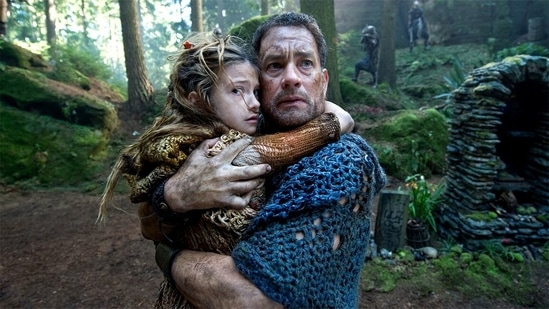
The 2012 film, Cloud Atlas imagines not just the future to come, but the one after it too. One thread of the interconnected anthology is set in a high-tech, super-automated Asian city in the near future. Fabricated synths exist to do our bidding, until one of them breaks free and liberates the rest. But it’s the post-apocalyptic future after that shows us where we’re headed. Humans are back to living like nomads, struggling to survive. (Courtesy Warner Bros)
9/11
 View Photos in a new improved layout
Published on Apr 1, 2022 3:03 PM
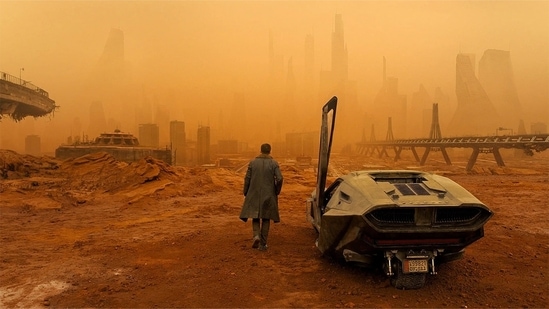
Blade Runner 2049, the 2017 retelling of the 1982 classic, makes the future look bleak, slow and a little untrustworthy. People have holographic girlfriends. You can’t see much through the mud storms. And replicants, or bioengineered humans, are deployed as slaves, who often turn rogue. What’s worse, you often can’t tell the bots from the real people, which makes crimefighting a real challenge.
10/11
 View Photos in a new improved layout
Published on Apr 1, 2022 3:03 PM
Even back in 2012 the Hunger Games version of the future looked bleak but possible. Humans lived in segregated districts, there was poverty and no food in the poorer ones. For entertainment, young adults are picked at random and forced into a life-or-death televised survival game. You do not want to volunteer as tribute, or witness what living is like in the rich parts of the world. (Courtesy Lions Gate)
11/11
 View Photos in a new improved layout
Published on Apr 1, 2022 3:03 PM


