
 E-Paper



Photos: Trans persons show us their authentic selves in Truth Dream
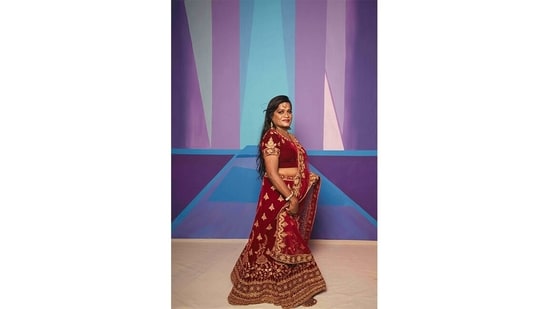
Transgender and non-binary people were asked to dress in the personas they felt reflected their inner selves. See how beautifully they turned out in the art project Truth Dream.
Updated on: Jan 22, 2022 8:24 PM IST


Share via


Copy link

1/9
 View Photos in a new improved layout
Updated on Jan 22, 2022 8:24 PM
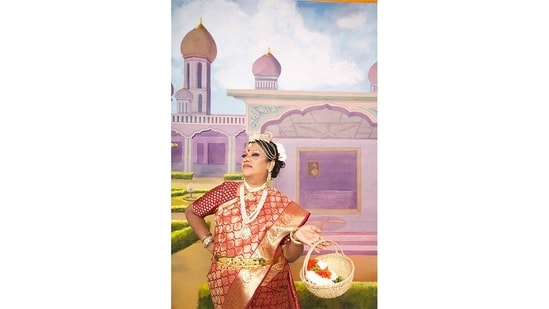
In Bengaluru, Payana, an NGO working to empower Karnataka’s sexual minorities, collaborated with Maraa, a media and arts collective, to offer 12 members from the city’s transgender community a chance to dress like they feel. What emerged were looks that borrowed from pop culture, cinema, myth and everyday reality. Lakshmi, 54, picked a bejewelled golden sari and ornate jewellery, inspired by images she’d seen of maharanis of Mysore. (Photo courtesy Jaisingh Nageswaran)
2/9
 View Photos in a new improved layout
Updated on Jan 22, 2022 8:24 PM
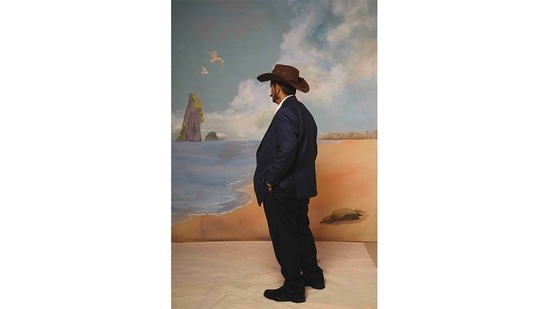
Some, like Bernie, 55, found enough inspiration in everyday ideas of what was stylish. The sculptor posed as a drag king, complete with suit, moustache and beard. He wanted to impress his girlfriend and friends, he said. (Photo courtesy Jaisingh Nageswaran)
3/9
_1642787001183_1642787009307.jpeg "Chandni, 49, a relationship manager at a tech company, founded Payana in 2009, and thought up the photo project. Her own fantasy: to dress like Kalidasa’s Shakuntala, a beautiful woman and daughter of a royal sage. “I thought this would make a man fall in love with me,” she says. (Photo courtesy Jaisingh Nageswaran)") View Photos in a new improved layout
View Photos in a new improved layoutUpdated on Jan 22, 2022 8:24 PM
Chandni, 49, a relationship manager at a tech company, founded Payana in 2009, and thought up the photo project. Her own fantasy: to dress like Kalidasa’s Shakuntala, a beautiful woman and daughter of a royal sage. “I thought this would make a man fall in love with me,” she says. (Photo courtesy Jaisingh Nageswaran)
4/9
 View Photos in a new improved layout
Updated on Jan 22, 2022 8:24 PM
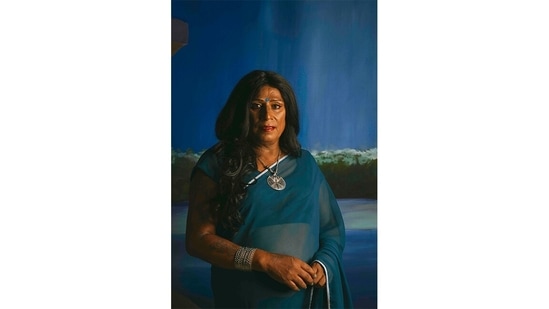
Costumes, makeup, hair and backdrops filled out the fantasies. Reshma, 60, embodied the look of the late actress Sridevi. She posed in a blue sari, inspired by the song Kaate Nahi Kat Te from Mr India (1987). (Photo courtesy Jaisingh Nageswaran)
5/9
 View Photos in a new improved layout
Updated on Jan 22, 2022 8:24 PM
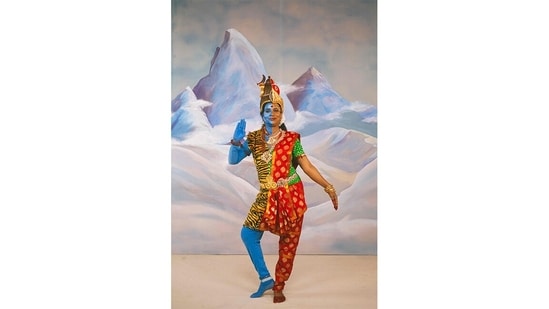
Shobhana’s look drew on mythology, specifically Ardhanaishvara, a male-female form of Shiva, with his consort, Parvati. (Photo courtesy Jaisingh Nageswaran)
6/9
 View Photos in a new improved layout
Updated on Jan 22, 2022 8:24 PM
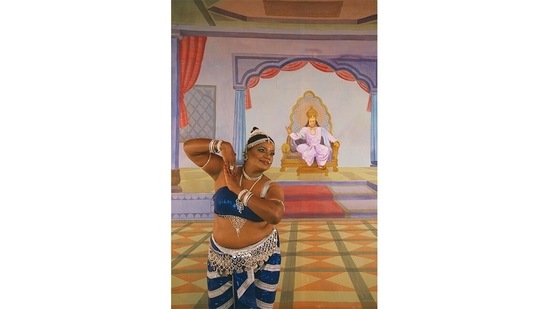
Bhanu, 52, a transgender activist, turned into an apsara, with a matha patti, multiple necklaces, bangles and a kamarband. Her childhood idol, actress Jayamalini, was the inspiration for her transformation. “As soon as my makeup was done, I felt like I’d transformed into Jayamalini,” Bhanu says. (Photo courtesy Jaisingh Nageswaran)
7/9
 View Photos in a new improved layout
Updated on Jan 22, 2022 8:24 PM
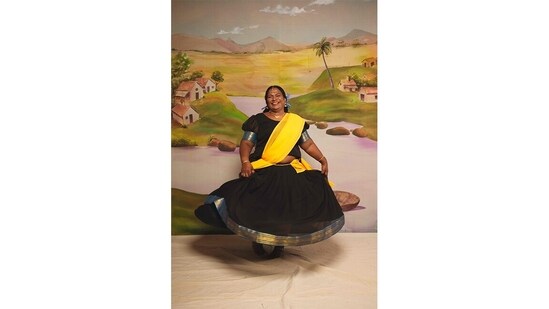
Fans of Tamil cinema might recognise Nadiya’s avatar right away. She dressed as Nandini from the film Chinna, a feisty wealthy woman who has to fight for her relationship with a village boy. (Photo courtesy Jaisingh Nageswaran)
8/9
 View Photos in a new improved layout
Updated on Jan 22, 2022 8:24 PM
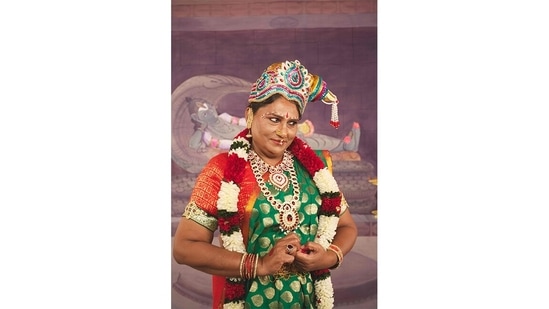
More film references. Revathi embodied Andal, from the 1968 Tamil film Thirumal Perumal. In the film, Andal, who is a reincarnation of Lakshmi, wins over Vishnu with her devotion. (Photo courtesy Jaisingh Nageswaran)
9/9
 View Photos in a new improved layout
Updated on Jan 22, 2022 8:24 PM


