
 E-Paper



Photos: Digitally restoring the 2,000 year old Ajanta caves in Maharashtra
Near Aurangabad, Maharashtra the 2000-year-old Ajanta caves complex houses murals and painting made by unknown Buddhist monks. Centuries of environmental and human activity has damaged its now fragile paintings and statues. While the ASI undertakes undertakes the structural conservation of the cave complex, Nashik-based artist-photographer Prasad Pawar has undertaken the digital restoring and conservation of this UNESCO world heritage site. Pawar has been researching, documenting, photographing and digitally restoring the Buddhist paintings and sculptures in Ajanta for 27 years, all without touching them.
Updated on: Mar 26, 2018 10:59 AM IST

Share via


Copy link

1/9
 View Photos in a new improved layout
Updated on Mar 26, 2018 10:59 AM
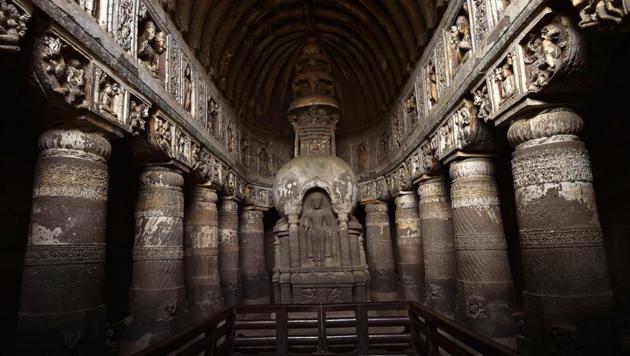
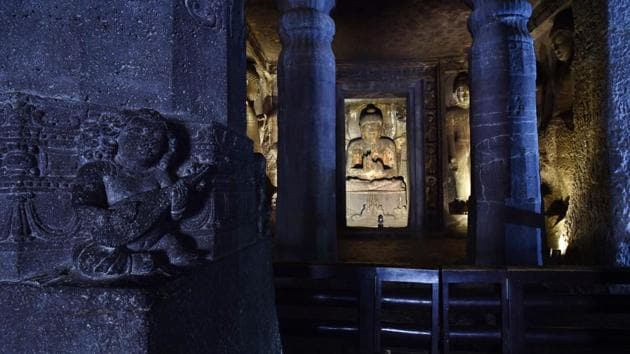
A view of the 5th century AD prayer hall in the Ajanta caves depicting the Buddha is various poses. History buffs visiting the 2,000-year-old rock-cut caves, armed with guidebooks explaining narratives behind its fabulous murals and sculptures which depict the lives and times of Buddha and Bodhisattvas are met with the extreme low-light conditions inside and the mystery of how painters managed this task in near darkness. (Ajay Aggarwal / HT Photo)
2/9
 View Photos in a new improved layout
Updated on Mar 26, 2018 10:59 AM
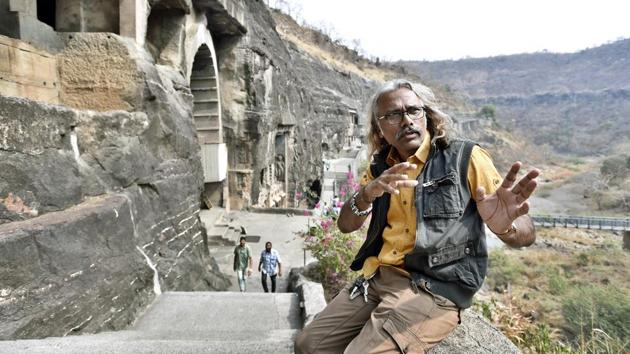
This question has also intrigued Nashik-based artist-photographer Prasad Pawar, who has been researching, documenting, photographing and digitally restoring the Buddhist paintings and sculptures at the UNESCO heritage site, near Aurangabad in Maharashtra for 27 years, but without touching them. (Ajay Aggarwal / HT Photo)
3/9
 View Photos in a new improved layout
Updated on Mar 26, 2018 10:59 AM
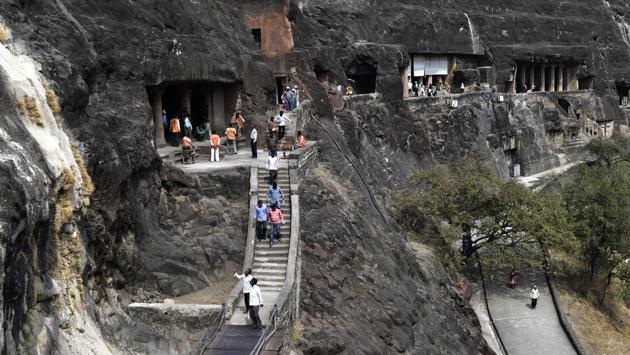
Nearly 4,000 people visit the caves daily. To minimize this impact on the fragile murals and statues, the Archaeological Survey of India (ASI) has prohibited camera flash or harsh lights, limited viewing time to 10 minutes and placed barriers to prevent viewers from touching the artwork that’s missing portions, due to antiquity, water seepage, vandalism and robbery. (Ajay Aggarwal / HT Photo)
4/9
 View Photos in a new improved layout
Updated on Mar 26, 2018 10:59 AM
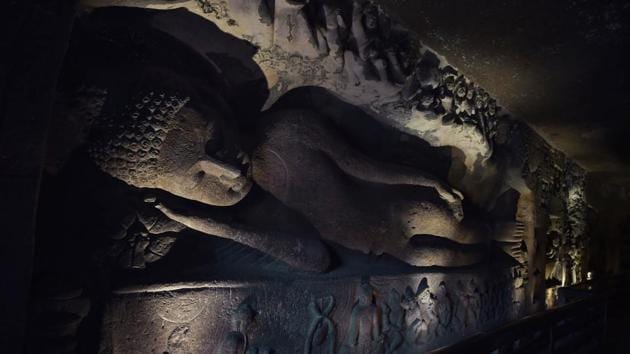
The ASI’s Ajanta team does two types of restoration at the site: structural and chemical. It ensures the structural stability of the caves, waterproofs them and also monitors temperature and humidity inside. However, conservation principles do not allow any restoration of missing portions of the paintings, something which Pawar can do digitally in his photographs. (Ajay Aggarwal / HT Photo)
5/9
 View Photos in a new improved layout
Updated on Mar 26, 2018 10:59 AM
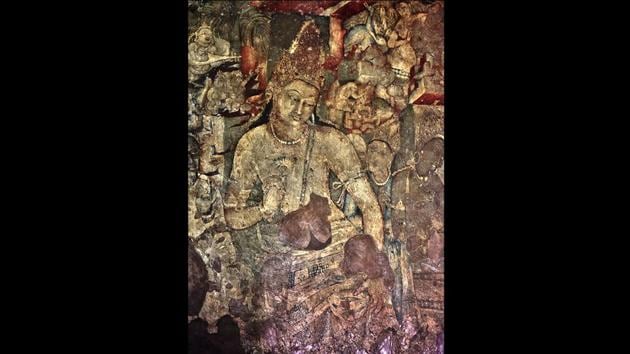
Pawar says it’s difficult to comprehend the storylines in the murals, many of which use cinematic flashback style in their damaged state. This broken narrative of Ajanta murals troubled him even while at art college when his saw ‘Padmapani’ (pictured) – in cave number 1. The mural shows the Bodhisattva with curly hair, in a meditative state. In his right hand, he holds a lotus blossom representing spiritual awakening. (Ajay Aggarwal / HT Photo)
6/9
 View Photos in a new improved layout
Updated on Mar 26, 2018 10:59 AM
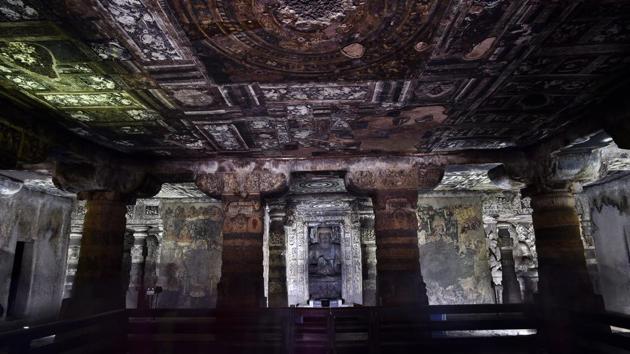
Since no one can touch Ajanta paintings except ASI’s specialised team, he decided on photographic documentation. A special permit allows him to photograph the paintings and statues from close quarters without flash. This is followed by digital colour correction and digital restoration of the missing elements in consonance with the originals. (Ajay Aggarwal / HT Photo)
7/9
 View Photos in a new improved layout
Updated on Mar 26, 2018 10:59 AM
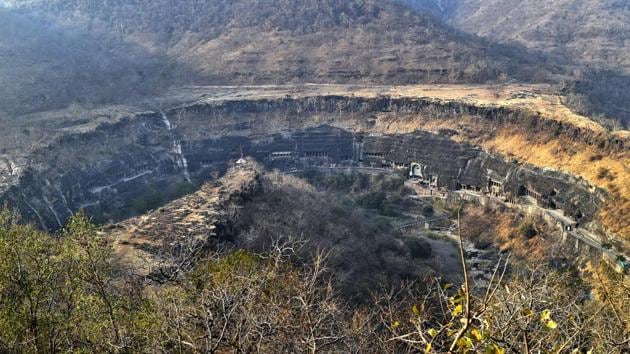
The site has 29 caves, with painting and sculptures along with exterior carvings, though some remain unfinished. Pawar has toured in India, China and Sri Lanka to study Buddhist paintings and narrative techniques. Even getting the correct colours digitally has been difficult because the originals used a mix of earth colours, vegetable colours, plant, animal and mineral derivatives. (Ajay Aggarwal / HT Photo)
8/9
 View Photos in a new improved layout
Updated on Mar 26, 2018 10:59 AM
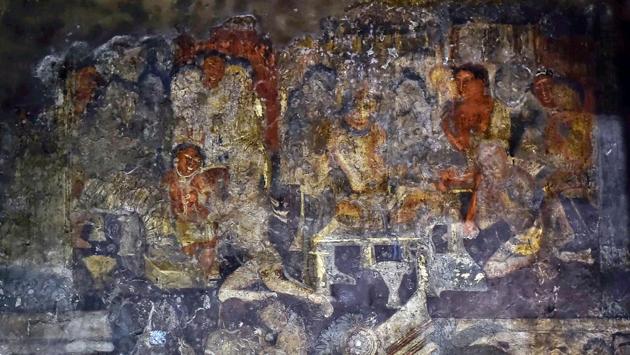
Pawar shoots 2 ft x 2ft at a time because only then he “can see the finer details and the brush strokes of the of the artwork better.” Photographing only that portion of a painting or statue which is illuminated by natural light, missing a portion means he will have to wait another 364 days when the light falls exactly on the same spot again. (Ajay Aggarwal / HT Photo)
9/9
 View Photos in a new improved layout
Updated on Mar 26, 2018 10:59 AM


