
 E-Paper



Photos: Papier Mache in Kashmir, a confluence of Indian and Persian art
Papier Mache has been synonymous with Kashmiri art since the 15th century. Known for its intricate work with paper pulp and famed across the world, artisans have seen dwindling returns in recent times.
Updated on: Aug 31, 2017 9:04 AM IST

Share via


Copy link

1/8
 View Photos in a new improved layout
Updated on Aug 31, 2017 9:04 AM
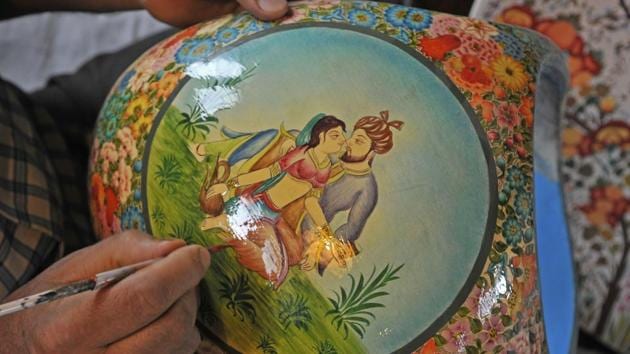
Papier-mâché, a centuries old art form present in Kashmir, derives its name from the French term meaning ‘mashed or chewed paper’. The origin of the art in Kashmir is according to most accounts traced to the 15th century Sultan Zain ul Abedin who brought along Central Asian artists and craftsmen upon his return from Samarkand, ushering in a confluence of Indian and Persian art forms –the intricate papier mache work one such example. (Waseem Andrabi / HT Photo)
2/8
 View Photos in a new improved layout
Updated on Aug 31, 2017 9:04 AM
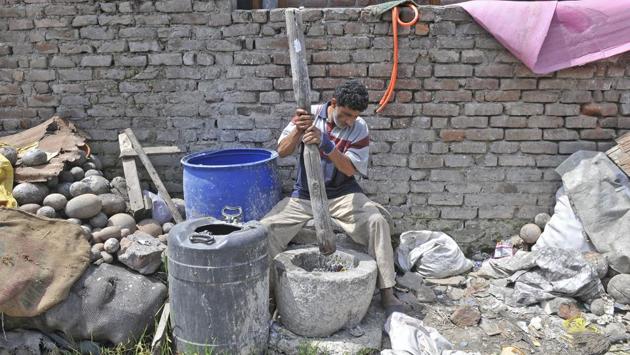
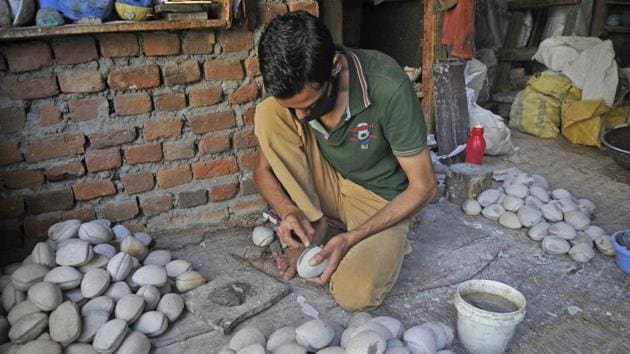
With the entire art revolving around paper, the process begins with the creation of a pulp or mash from scrap paper, rice husk and waste cloth which is then soaked and pounded into a fine paste. This part of the process is done by the ‘Sakhtsaz’ or craftsman who applies layers of this paste on wooden or brass moulds until the required shape is achieved. The second stage of applying paint is done by the ‘Naqash’.
3/8
 View Photos in a new improved layout
Updated on Aug 31, 2017 9:04 AM
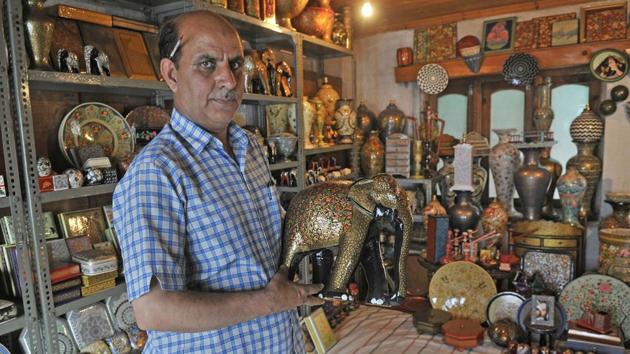
Prior to the advent of paper work under Sultan Zain ul Abedin and Sufi Mir Syed Ali Hamadani, the artists of Kashmir concerned themselves with intricate woodwork and the decoration of palanquins and frameworks. Originally known as Kar-i-qalamdan due to the small pen stands and personal artifacts made of paper, Mughal patronage elevated this art form’s scope into larger projects, even extending to architecture.
4/8
 View Photos in a new improved layout
Updated on Aug 31, 2017 9:04 AM
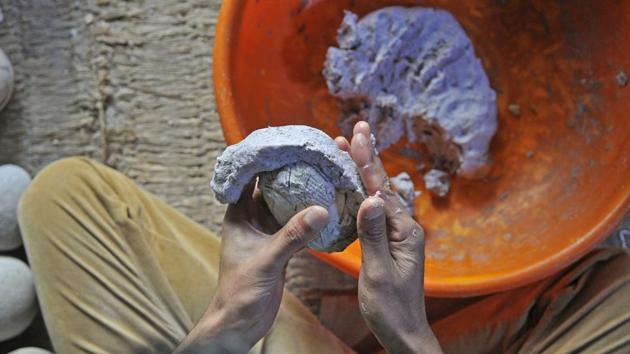
There is a vast variety of products made from papier-mâché such as boxes, bowls, trays and frames of various kinds, flower vases, bangles and even furniture for their functional appeal and decorative charm. Papier mache has also been used for architectural purposes in the ceilings at the Shah Hamdan Mosque and at the Madin Sahib Mosque at Fatehkadal along with the Mughal gardens at Shalimar in Srinagar.
5/8
 View Photos in a new improved layout
Updated on Aug 31, 2017 9:04 AM
Once the layered pulp is dried and extracted from its mould, the Naqash takes over with the detail and paint work. A white solution of gypsum and glue is applied as ornamentation begins and once the product is dried, a wet stone is used to polish the surface until it’s perfectly smooth.
6/8
 View Photos in a new improved layout
Updated on Aug 31, 2017 9:04 AM
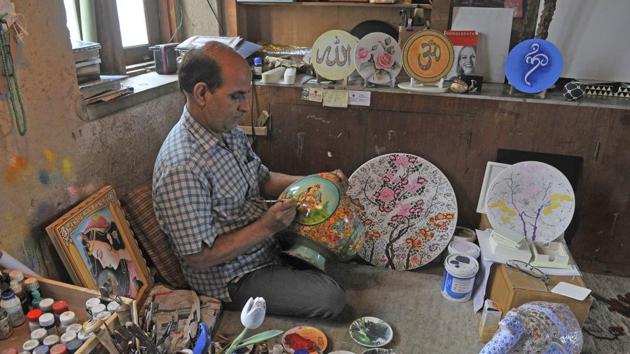
The products reflect a subtle grammar of motif and style. The traditional ‘hazara’ or ‘thousand flowers’ and ‘gulandergul’ or ‘flower within flower’ are among the popular design motifs of papier mache products. Border patterns such as ‘gondur’ and ‘tyond’ are generally geometric abstracts. There are few other popular patters as well of the Persian rose, the chinar leaf, the almond and cherry blossom and the iris among others. (Waseem Andrabi / HT Photo)
7/8
 View Photos in a new improved layout
Updated on Aug 31, 2017 9:04 AM
Artists say that earlier products were bought mostly by foreigners owing to high prices but with tourist inflow reduced over time, they believe that government intervention can turn livelihoods around. ‘Marketing is the problem where government can intervene. They can buy the products of the artists through art emporiums which will institutionalize this beautiful art. Unless that happens nothing is going to stop its downfall,’ says Syed Mehdi, 55, who has been associated with the art from his childhood.
8/8
 View Photos in a new improved layout
Updated on Aug 31, 2017 9:04 AM


