
 E-Paper



Photos: Tucked away in Sohna, two decaying Lodhi-era tombs
Located roughly 25 kilometres from Gurugram, Sohna is seen by many as a natural extension of the Millennium City. The name of the town, some say, has become ubiquitous because of the eternally busy Sohna Road, which is gradually emerging as a hub of corporate offices, high-rise condominiums, and upcoming real estate projects. However, beyond this maze of glass and chrome buildings, and the quest of scripting a new story, the town is also struggling to hold on to its history, which remains buried.
Updated on: Apr 19, 2019 11:55 AM IST

Share via


Copy link

1/10
 View Photos in a new improved layout
Updated on Apr 19, 2019 11:55 AM
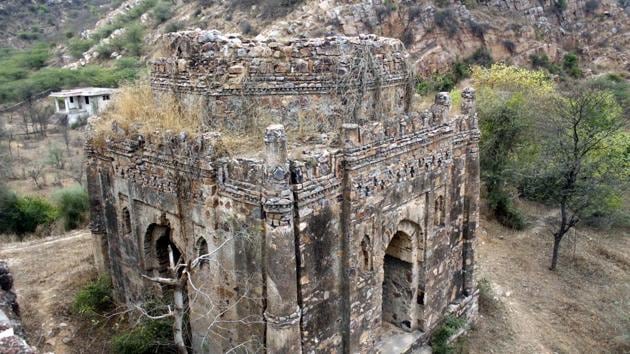
A view of Saap Ki Nangli village in Sohna which has two twin-tomb complexes. Sohna has played host to many rulers over time. They have left behind many historical structures that now lie abandoned, only some kilometres off Gurugram. One such treasure can be found in Saap ki Nangli village in these tombs that stand in sharp contrast to the private farmhouses that are located just a stone’s throw away. (Yogendra Kumar / HT Photo)
2/10
 View Photos in a new improved layout
Updated on Apr 19, 2019 11:55 AM
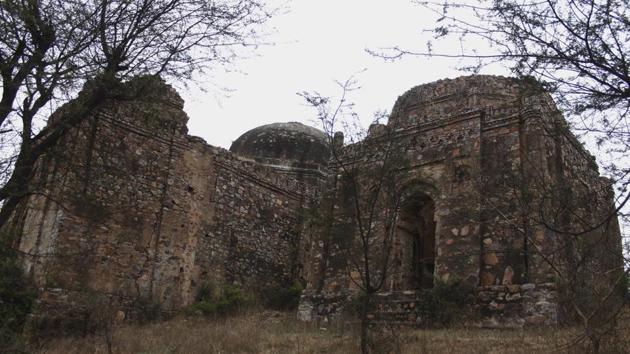
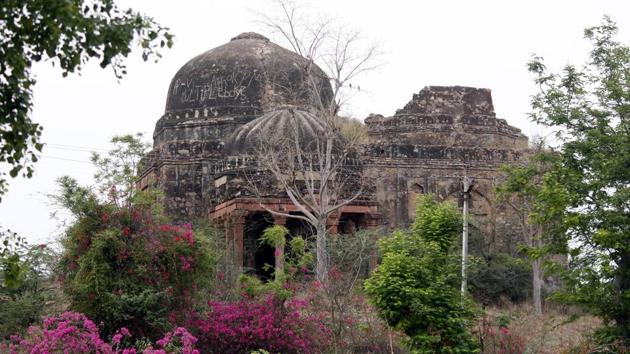
The bigger of the two sets of tomb complexes in the village is identified as Lal Gumbad by local residents, and derives its name from the red sandstone that makes up the tombs. Standing desolate on a hillock under the shadow of the Aravallis, multiple narrow pathways — dusty and covered with thorny bushes — take one to the complex that comprises of two tombs. (Yogendra Kumar / HT Photo)
3/10
 View Photos in a new improved layout
Updated on Apr 19, 2019 11:55 AM
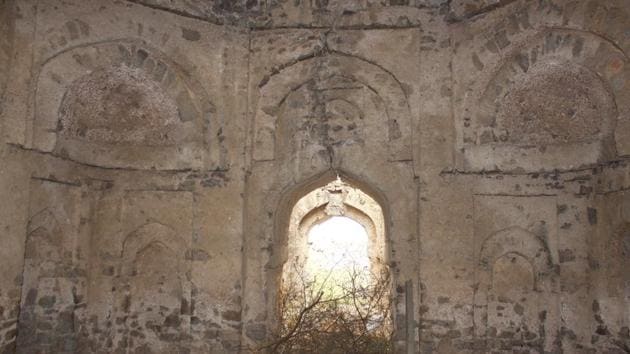
. Intricate carvings make up the surface of these pillars, which continue to demonstrate the red colour that gives the complex its name. On the inside, however, the chamber is in a dismal state and has become a haven for bats. The inner façade of the dome has multiple alcoves, which allow passage to natural light. However, deep cracks run through the tomb. (Yogendra Kumar / HT Photo)
4/10
 View Photos in a new improved layout
Updated on Apr 19, 2019 11:55 AM
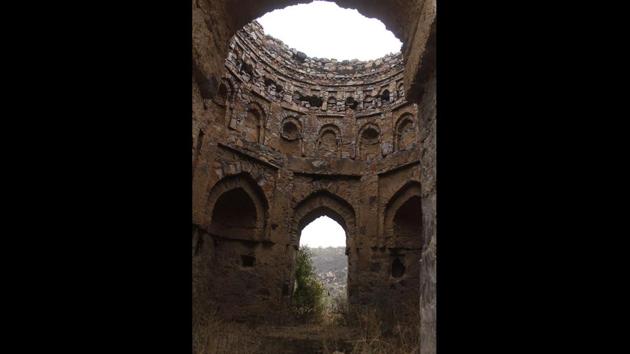
Experts say the tomb demonstrates influences of the Lodhi period. “The tombs are similar to the tombs created by the Khanzadas of Mewat. The height and the double-storey nature of the structures demonstrates a Lodhi influence visible in monuments in Delhi. Many local leaders would often replicate the same architectural style,” Shikha Jain, convener INTACH, Haryana chapter, said. (Yogendra Kumar / HT Photo)
5/10
 View Photos in a new improved layout
Updated on Apr 19, 2019 11:55 AM
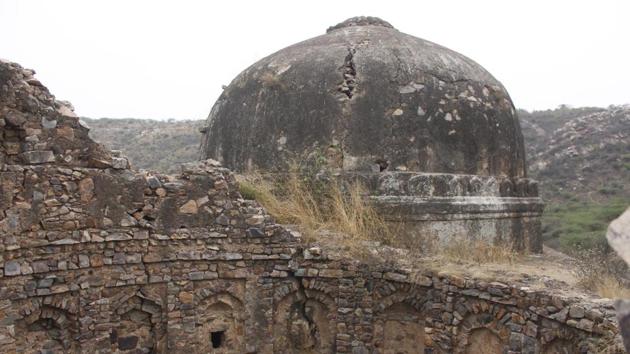
The monument received protection from the state government in December 2018. However, there is no visible improvement in the state of the tombs. Except for a sheet of paper, there is no visible board that informs visitors about the background of the structures, and there is little sensitisation about the tombs among local residents. (Yogendra Kumar / HT Photo)
6/10
 View Photos in a new improved layout
Updated on Apr 19, 2019 11:55 AM
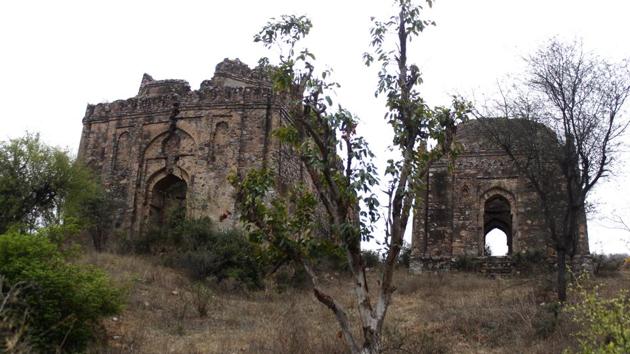
“The place hasn’t changed in the past 100 years or more. The village is 400 years old, and elders from the village say the gumat (tombs) have remained the same. My father, my grandfather, and even their forefathers used to say that the tombs have stood in our village for centuries,” said 55-year-old Gangaram, whose house is barely metres away from the tomb. (Yogendra Kumar / HT Photo)
7/10
 View Photos in a new improved layout
Updated on Apr 19, 2019 11:55 AM
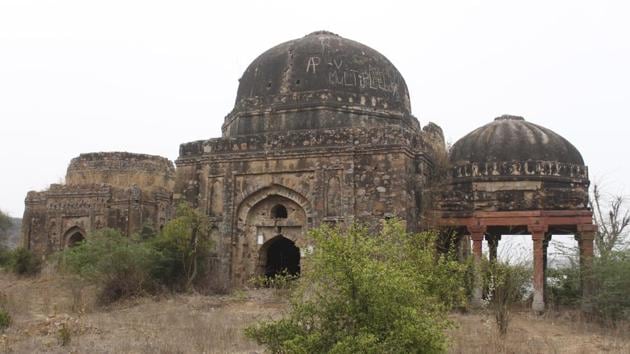
For him and many others, the only reference to the tomb is its connection to Muslims. Around three years ago, some Muslims had made efforts to clean the tomb and offer prayers, only to be pegged back by other residents of the village. While Gangaram was opposed to prayers being offered within the structure, he said the village would benefit if the place was treated as a tourist site. (Yogendra Kumar / HT Photo)
8/10
 View Photos in a new improved layout
Updated on Apr 19, 2019 11:55 AM
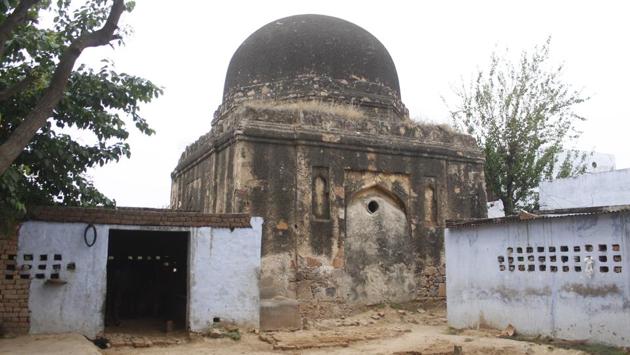
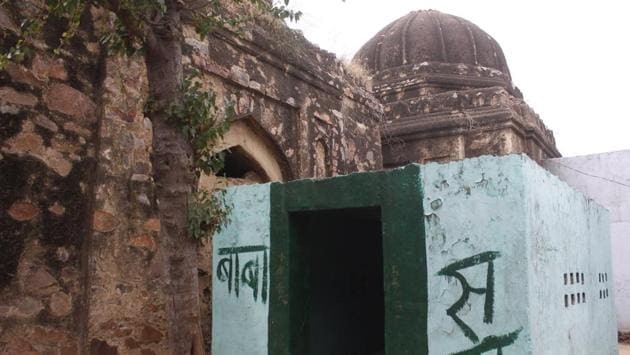
Locally known as Kaala Gumbad, these comparatively smaller tombs are located a few hundred metres away from the Lal Gumbad. However, the Kaala Gumbad is a pale shadow of it’s red cousin. Unlike the Lal Gumbad, the twin tombs that make up the Kaala Gumbad complex have deteriorated thanks to human intervention. The complex has been taken over by locals who have houses surrounding the complex. (Yogendra Kumar / HT Photo)
9/10
 View Photos in a new improved layout
Updated on Apr 19, 2019 11:55 AM
“We call the structures gumat. Two of our buffaloes are tied in one tomb. We use the smaller tomb to store hay and food for the cattle,” said 15-year-old Kuldeep, who lives next to the tomb complexes. Prem Lal, another resident, said villagers had “repaired” the tombs for use. (Yogendra Kumar / HT Photo)
10/10
 View Photos in a new improved layout
Updated on Apr 19, 2019 11:55 AM


