
 E-Paper



Photos: Water tankers prove lifeline for parched Maharashtra villages
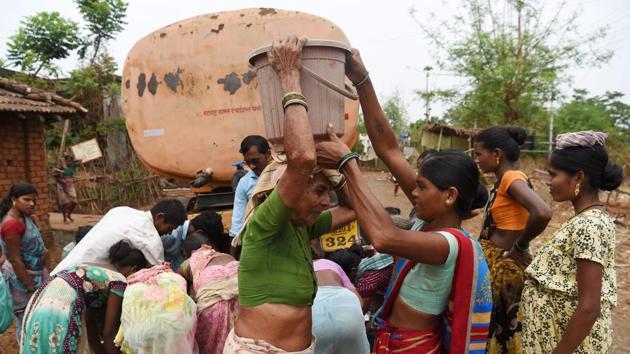
Shakar Pada village near Shahapur, located around 100 kms from India's financial capital Mumbai is one of many Indian settlements reeling from the country’s worst droughts in years. Almost half of India -- an area home to more than 500 million people is facing drought-like conditions because of deficient pre-monsoon rainfall, according to the Indian Meteorological Department. In such dire circumstances, water tankers running seven days a week between March and June, when water is at its scarcest are proving a lifeline to parched agricultural villages overly reliant on the annual monsoon.
Updated on: Jun 17, 2019 3:24 PM IST

Share via


Copy link

1/10
 View Photos in a new improved layout
Updated on Jun 17, 2019 3:24 PM
A woman assists an elderly person in carrying a bucket filled with tanker water at Shakar Pada village near Shahapur, on the outskirts of Mumbai. As Gajanand Dukre (not pictured) parks his water tanker in this drought-stricken Indian village, dozens of locals -- mostly women -- come streaming with jerry cans, buckets and stainless steel pots. (Punit Paranjpe / AFP)
2/10
 View Photos in a new improved layout
Updated on Jun 17, 2019 3:24 PM
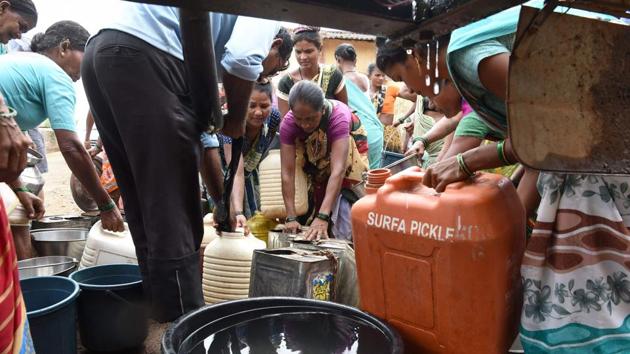
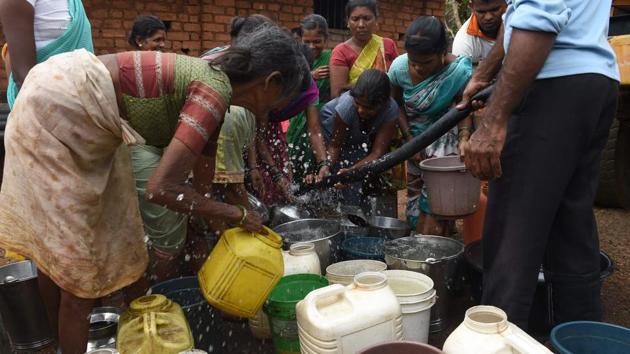
Over the next two hours Dukre helps them empty the 12,000-litre tank, providing a lifeline to this small community as India reels from one of its worst droughts in years. “We are working overtime,” said 41-year-old Dukre, who conducts four rounds of deliveries a day to hamlets around Shahapur in the parched state of Maharashtra. (Punit Paranjpe / AFP)
3/10
 View Photos in a new improved layout
Updated on Jun 17, 2019 3:24 PM
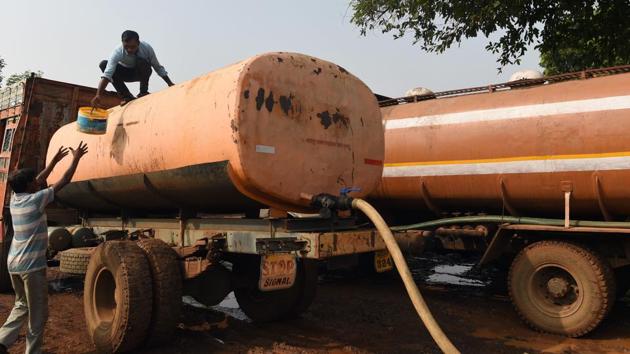
A driver gets a tanker ready to deliver water. Dukre is one of 37 drivers operating government-run water tankers in the area, which is situated around 100 kilometres from India’s financial capital Mumbai. The tankers run seven days a week between March and June, when water is at its scarcest in India. (Punit Paranjpe / AFP)
4/10
 View Photos in a new improved layout
Updated on Jun 17, 2019 3:24 PM
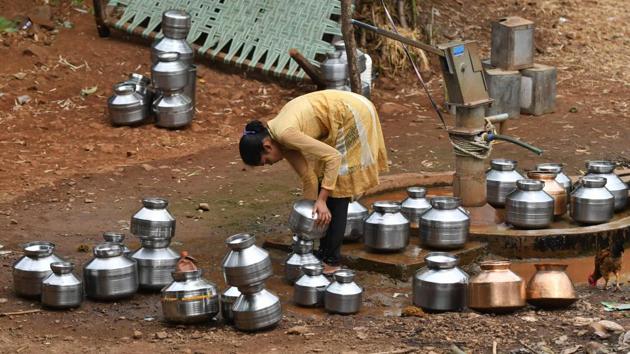
A woman fills stainless steel pots with water. India’s hot season has been particularly harsh this year, with temperatures rising above 50 degrees Celsius in Rajasthan. Almost half of India -- an area home to more than 500 million people -- is facing drought-like conditions because of deficient pre-monsoon rainfall, according to the Indian Meteorological Department (IMD). (Punit Paranjpe / AFP)
5/10
 View Photos in a new improved layout
Updated on Jun 17, 2019 3:24 PM
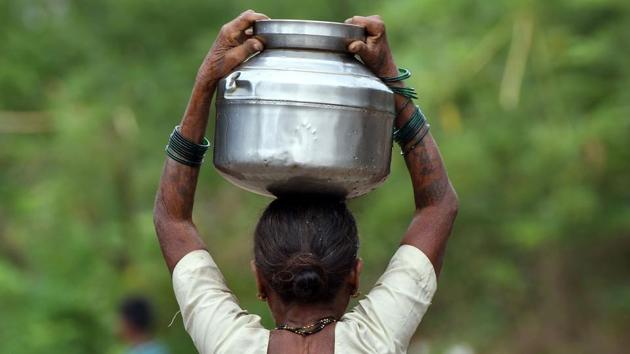
In Shakar Pada village, water levels in the well are dangerously low, meaning villagers are relieved to see Dukre roll in, attach a hose to the back of the tanker and start to fill up everyone’s vessels. “There has been a scarcity of water for the past month,” Pramila Shewale (not pictured) told AFP as she carried a freshly filled pot of water on her head back home. (Punit Paranjpe / AFP)
6/10
 View Photos in a new improved layout
Updated on Jun 17, 2019 3:24 PM
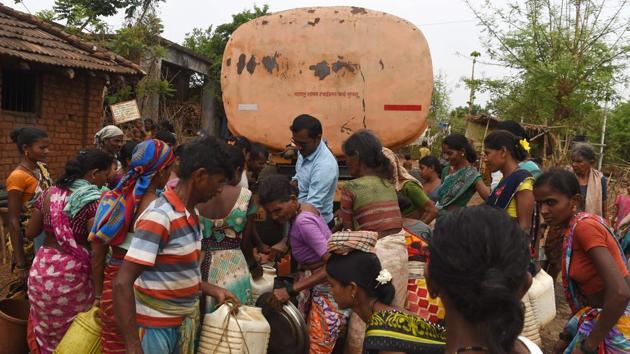
The village’s 98 families survive on agriculture, growing mostly rice and vegetables that they sell in nearby cities. During drought there is no water for agriculture or livestock. Falling groundwater levels and poor irrigation techniques mean they are overly reliant on India’s June-to-September southwest monsoon, which provides the country with most of its annual rainfall. (Punit Paranjpe / AFP)
7/10
 View Photos in a new improved layout
Updated on Jun 17, 2019 3:24 PM
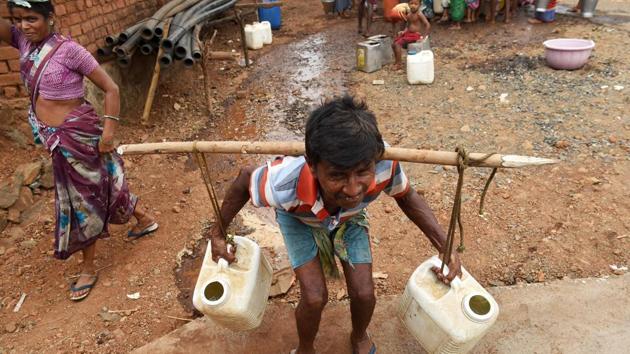
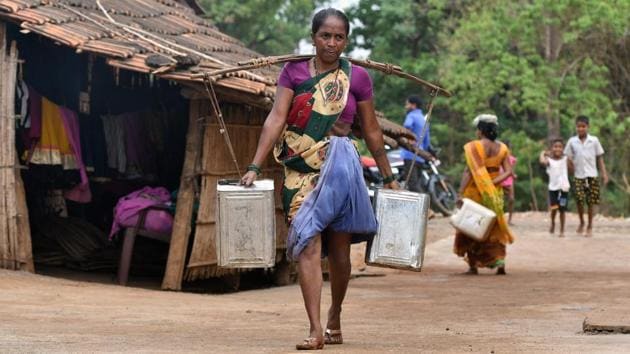
A man carries jerry cans filled with tanker water. Three of the last five monsoons have been deficient and while the IMD is predicting a normal monsoon this year it is already a week late and that worries farmers. “Every year the drought gets worse. I pray to God that there is sufficient water (this time),” Naresh Rera, a 32-year-old farmer, told AFP. (Punit Paranjpe / AFP)
8/10
 View Photos in a new improved layout
Updated on Jun 17, 2019 3:24 PM
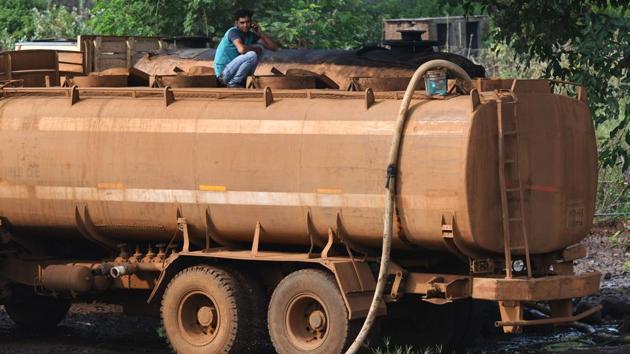
A driver waits for the tanker to fill up with water. Dukre will keep delivering water until the monsoon is in full swing in Maharashtra, likely by the end of the month. Every night he and his colleagues sleep in their vehicles on wasteland beside a river where the tankers are lined up. (Punit Paranjpe / AFP)
9/10
 View Photos in a new improved layout
Updated on Jun 17, 2019 3:24 PM
Villagers fill containers with water from a tanker at Shakar Pada village. Dukre and his colleagues wake at 3:00 am and fill the tanks with water from the dammed river nearby. They pour in chlorine and head to the parched villages to waiting residents. (Punit Paranjpe / AFP)
10/10
 View Photos in a new improved layout
Updated on Jun 17, 2019 3:24 PM


