
 E-Paper



Illegal fishermen threaten Somalian village of Eyl
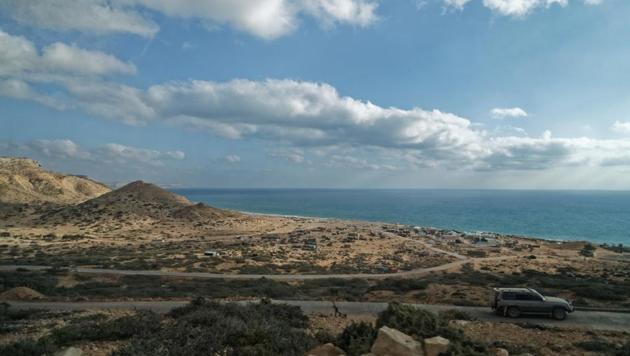
The former pirate village of Eyl seen from a nearby hill, in Somalia's semi-autonomous northeastern state of Puntland. The recent hijacking of an oil tanker has surprised the international shipping community, as many Somali pirates had quit and turned to fishing as anti-piracy patrols increased, but local officials have warned that rampant fishing by foreign trawlers is destroying the fishermen's livelihoods and stoking fears of a return of piracy as a way to make money. (Ben Curtis/AP)
Updated on: Mar 15, 2017 2:49 PM IST

Share via


Copy link

1/10
 View Photos in a new improved layout
Updated on Mar 15, 2017 2:49 PM
The former pirate village of Eyl seen from a nearby hill, in Somalia's semi-autonomous northeastern state of Puntland. The recent hijacking of an oil tanker has surprised the international shipping community, as many Somali pirates had quit and turned to fishing as anti-piracy patrols increased, but local officials have warned that rampant fishing by foreign trawlers is destroying the fishermen's livelihoods and stoking fears of a return of piracy as a way to make money. (Ben Curtis/AP)
2/10
 View Photos in a new improved layout
Updated on Mar 15, 2017 2:49 PM
Somali women and children gather at dusk on a sandy street in the former pirate village of Eyl, in Somalia. Some of the former pirates had quit as the international pressure grew and armed guards appeared on cargo ships. They turned to fishing but now say they’re the ones being targeted at sea. (Ben Curtis/AP)
3/10
 View Photos in a new improved layout
Updated on Mar 15, 2017 2:49 PM
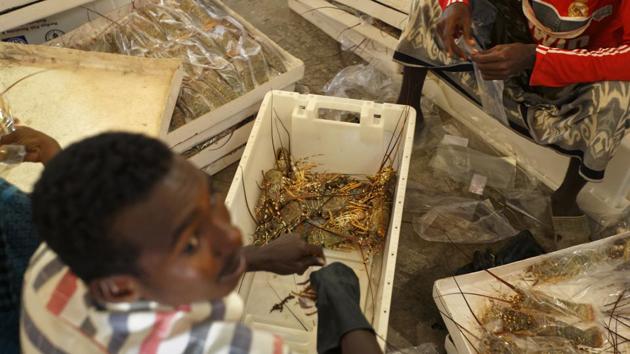
Women finish packing lobsters for export in the former pirate village of Eyl. In recent years, local officials have warned that rampant fishing by foreign trawlers was destroying the livelihoods of coastal communities, stoking fears of a return of piracy as a way to make money. They have blamed Yemeni, Chinese, Indian, Iranian and Djibouti-flagged fishing boats and trawlers. (Ben Curtis/AP)
4/10
 View Photos in a new improved layout
Updated on Mar 15, 2017 2:49 PM
The illegal fishing is a very serious problem. Fishing has declined, equipment was confiscated and they destroyed our livelihoods and properties, said Aisha Ahmed, a fish dealer. The chairman of the fishermen’s association, Mohamed Saeed, said frustrations are growing.They have no choice now but to fight, he said. (Ben Curtis/AP)
5/10
 View Photos in a new improved layout
Updated on Mar 15, 2017 2:49 PM
Lobsters are packed for export. The hijacked oil tanker was anchored Tuesday off the town of Alula, local elder Salad Nur told The Associated Press. He said young fishermen, including former pirates, had gone searching for a foreign ship to seize out of frustration. (Ben Curtis/AP)
6/10
 View Photos in a new improved layout
Updated on Mar 15, 2017 2:49 PM
Foreign fishermen destroyed their livelihoods and deprived them of proper fishing. According to a local, the armed men demanded a ransom for the ship’s release and were holding the crew captive, the European Union anti-piracy operation off Somalia said late Tuesday after making contact with the ship’s master. (Ben Curtis/AP)
7/10
 View Photos in a new improved layout
Updated on Mar 15, 2017 2:49 PM
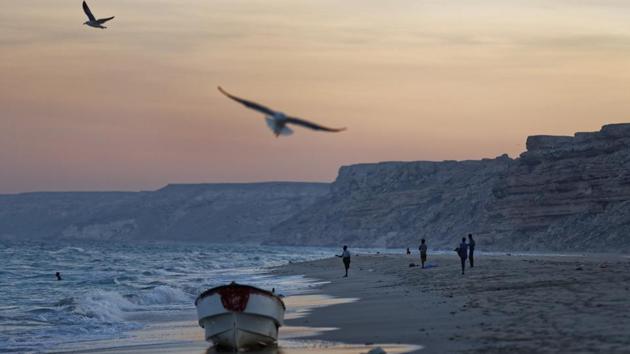
A fisherman walks out of the Indian Ocean with a net, at dusk in the former pirate village of Eyl. The United Nations warned in October that the situation was fragile and that Somali pirates “possess the intent and capability to resume attacks.” (Ben Curtis/AP)
8/10
 View Photos in a new improved layout
Updated on Mar 15, 2017 2:49 PM
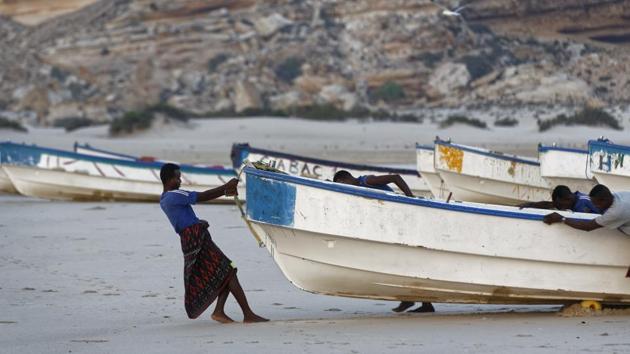
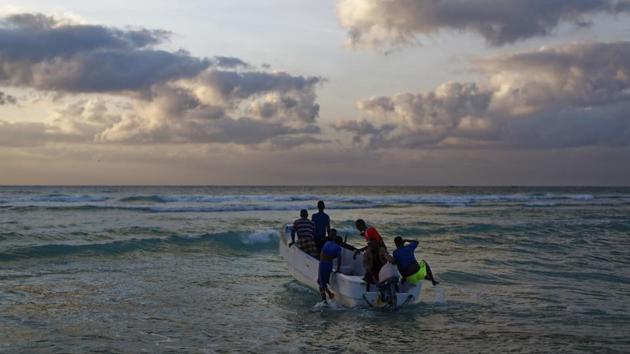
Fishermen pull their boats into the Indian Ocean shortly after dawn in the former pirate village of Eyl. Illegal fishing needs addressing, said John Steed, the director of Oceans Beyond Piracy. It’s an aggressive business and in some cases international fleets pressure, even attack, local fisherman, which breeds resentment, he wrote in an email. (Ben Curtis/AP)
9/10
 View Photos in a new improved layout
Updated on Mar 15, 2017 2:49 PM
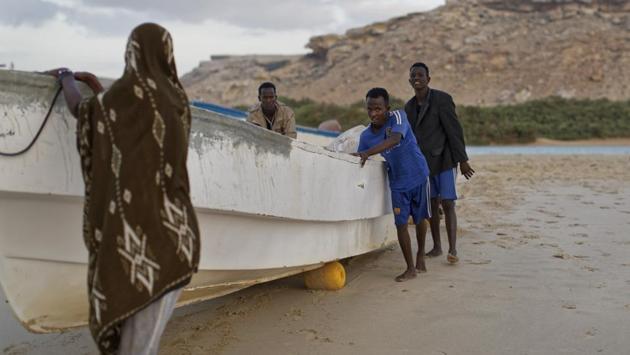
Steed indicated that some in the region had let down their guard as the number of pirate attacks decreased in recent years. And in December, NATO ended its anti-piracy mission off Somalia’s waters. (Ben Curtis/AP)
10/10
 View Photos in a new improved layout
Updated on Mar 15, 2017 2:49 PM


