
 E-Paper



Everyday explained: Why LPG cylinders are painted red

 Prefer HTon Google


Have you ever wondered why this distinctive colour is used?
Every day, thousands of businesses and households receive domestic LPG cylinders. They are an essential part of Indian households and are widely used for cooking. One thing that stands out about these cylinders is their vibrant red colour. But have you ever wondered why this shade is used?
Also Read | Everyday explained: Why mosquitoes bite some people more than others
Why are cylinders painted red?
This attention-grabbing colour is not just for appearance; it is crucial for safety, identification, and functionality. Many countries use bright colours to mark gas cylinders, but in India, red is used because it instantly signals danger, helping users stay alert while handling the cylinder.
Moreover, red is easily visible even from a distance. Therefore, in emergencies such as gas leaks or fires, the red colour allows people to quickly identify the cylinder's location and take timely action. It also serves as a warning sign, as red is a universal signal of caution or danger.
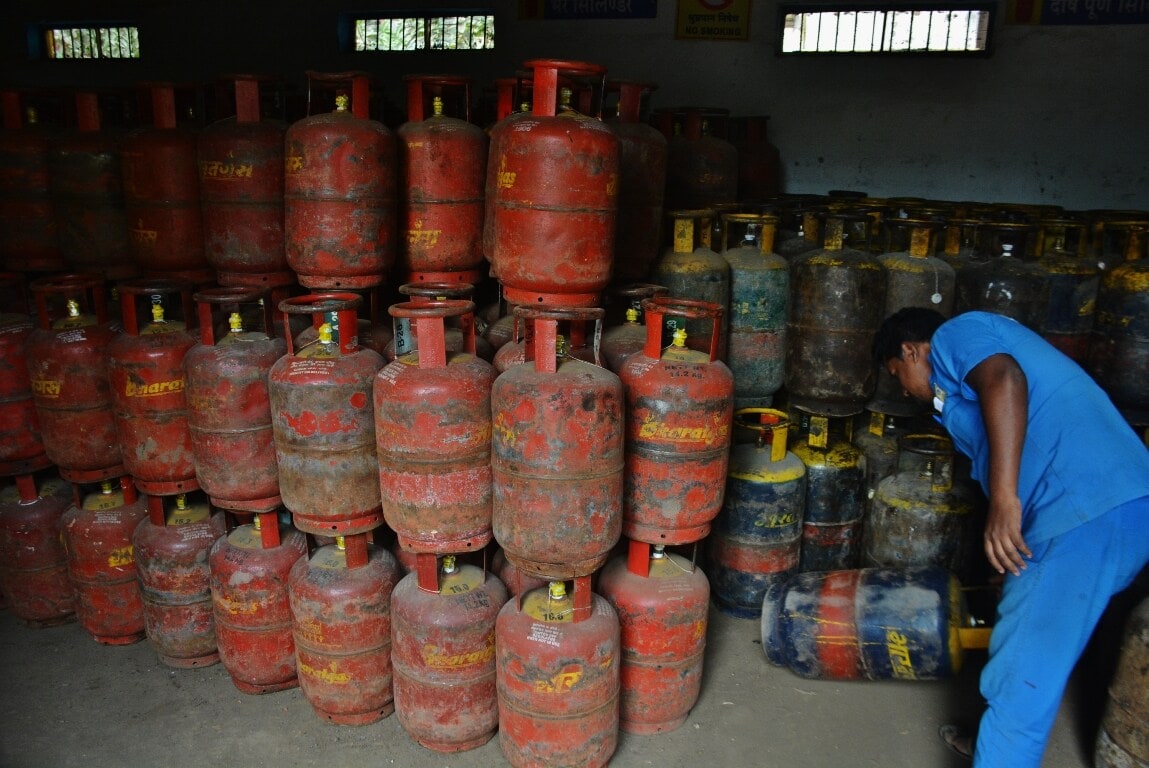
What does the red colour indicate on cylinders?
Cylinders contain highly flammable gas, which is why they are painted red to indicate danger – a visual warning to handle the cylinder carefully and avoid risky situations. This colour-coding system is widely followed in India to ensure that people can instantly recognise hazardous materials.
Why is an LPG cylinder used?
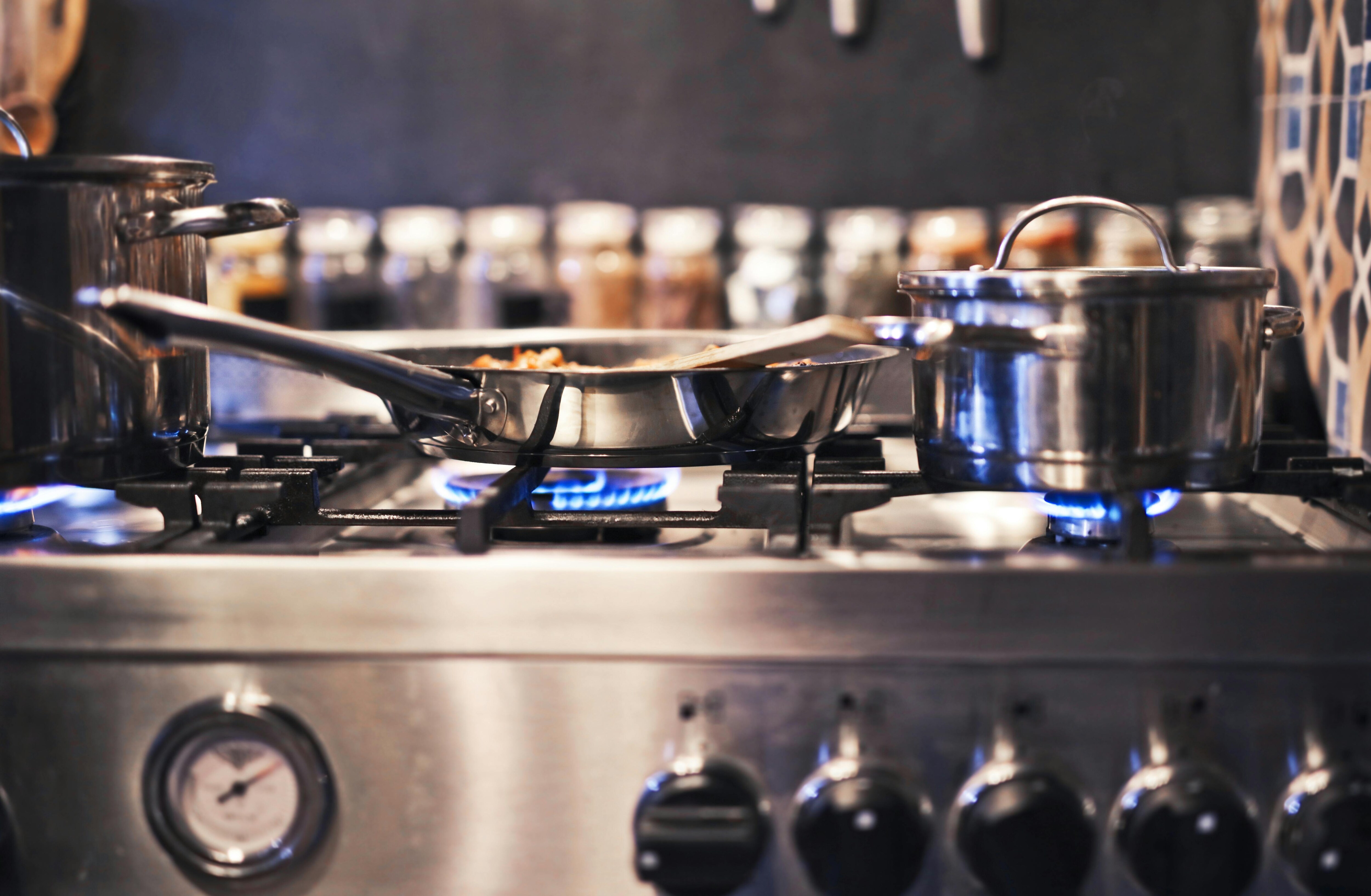
In India, LPG cylinders – painted red and commonly found in homes and restaurants – are used as cooking fuel and connected to a gas stove. It is often efficient and easy to use, burning cleanly compared to other fuels, including coal and wood. Due to its high energy output, LPG is widely used in homes, restaurants, and industries.
Safety measures to follow
According to the Indian Oil Corporation, there are certain tips one should remember before using LPG in the right and safest ways:
- Always keep the cylinder in an upright position.
- Keep the gas stove at least six inches above the cylinder on a stable surface. Also, always stand while cooking.
- Do not place the gas stove in areas with strong wind flow.
- Do not use any inflammable items in the kitchen other than the gas cylinder.
- Always light the matchstick before turning on the gas stove.
- Always use tongs to hold the hot cooking vessel, and avoid using a cloth, as it may catch fire.
- Always keep the gas cylinder regulator switched off while sleeping or going out.
- Avoid other work while cooking, and always stay near the stove. Always use a cotton apron while cooking.
- Always replace the safety hose every 5 years. Avoid trying to repair the gas stove on your own.
Also Read | Everyday explained: Why Indian trucks have ‘Horn OK Please’ sign painted on the back
Steps to follow in case you smell gas in the air
- If you smell LPG in the air, do not switch on electric switches, lighters, or matches. Open windows and doors immediately.
- In case of gas leakage, put on the safety cap, leave it open, and contact the distributor immediately.
- In case of any gas leakage, contact your local gas distributor or call the general helpline number: 1800 2333 555 or 1800 266 6696.
Note to readers: This article is for informational purposes only.


