
 E-Paper



In pictures: Revisiting Fort McMurray a year after massive wildfires
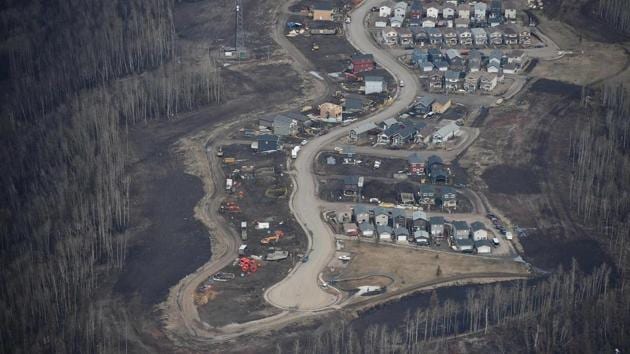
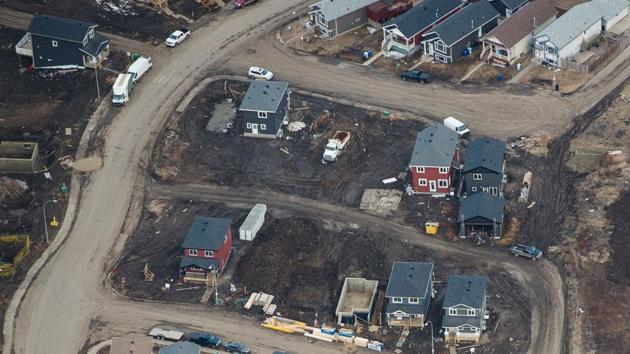
An aerial view of a residential neighbourhood in Fort McMurray, Canada, where some homes have been rebuilt but many have not, one year after the Fort McMurray fire. A few late-season snowflakes flutter over Fort McMurray, their whiteness contrasting against surrounding forests blackened one year ago by the most destructive wildfire in Canadian history. On May 1, 2016, a brushfire in the Canadian oil patch erupted into a huge blaze that over the following two months would engulf nearly 600,000 hectares of the boreal forest and force the evacuation of the entire city of 100,000 people. (Robyn Beck/AFP)
Published on: May 01, 2017 9:08 AM IST

Share via


Copy link

1/14
 View Photos in a new improved layout
Published on May 01, 2017 9:08 AM
An aerial view of a residential neighbourhood in Fort McMurray, Canada, where some homes have been rebuilt but many have not, one year after the Fort McMurray fire. A few late-season snowflakes flutter over Fort McMurray, their whiteness contrasting against surrounding forests blackened one year ago by the most destructive wildfire in Canadian history. On May 1, 2016, a brushfire in the Canadian oil patch erupted into a huge blaze that over the following two months would engulf nearly 600,000 hectares of the boreal forest and force the evacuation of the entire city of 100,000 people. (Robyn Beck/AFP)
2/14
 View Photos in a new improved layout
Published on May 01, 2017 9:08 AM
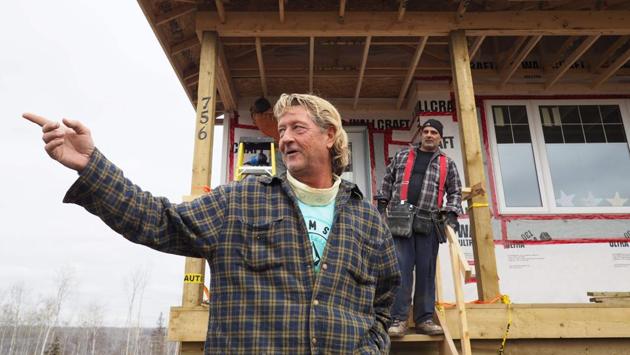
Homeowner Steven Menard speaks outside his residence that he is rebuilding with his own hands after it was destroyed one year ago in the fire. Menard arrived in Fort McMurray as a teenager four decades ago. Little remains of the Abasand neighborhood where his house once stood. Menard says, he still cries every day, confessing that he worries his nightmarish memories of the wildfires will forever haunt him. But , Fort McMurray needs builders, not whiners, he adds. (Robyn Beck/AFP)
3/14
 View Photos in a new improved layout
Published on May 01, 2017 9:08 AM
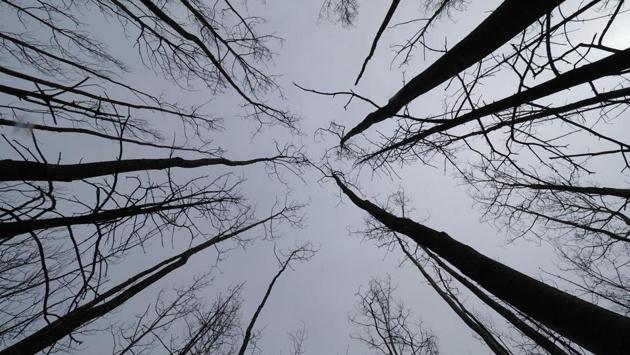
Trees burnt one year ago in a devastating fire are seen near a residential neighborhood. Despite the best efforts of government officials and residents, however, one year has not been enough to wipe away the sorrow and erase the scars left by the disaster. (Robyn Beck/AFP)
4/14
 View Photos in a new improved layout
Published on May 01, 2017 9:08 AM
Homes are being rebuilt in Fort McMurray one year after a devastating fire. One year after massive wildfires swept through Alberta province in Canada’s worst natural disaster in history, the future of the oil sands -- which contain a third of the world’s oil reserves -- remains bleak. (Robyn Beck/AFP)
5/14
 View Photos in a new improved layout
Published on May 01, 2017 9:08 AM
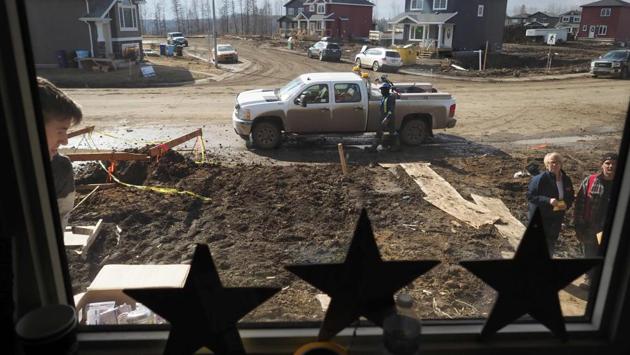
A view from inside the home of Steve Menard as he and his neighbours rebuild. All around in the hard-hit Waterways district there are vacant lots that have been cleared of debris. Eight out of 10 homes here were destroyed in the fire. (Robyn Beck/AFP)
6/14
 View Photos in a new improved layout
Published on May 01, 2017 9:08 AM
Lifelong Fort McMurray resident Bilal Abbas and his wife Lina Abousaid, in a rented home. Persistently low oil prices have forced companies to cut costs, and several have gone as far as to stop processing the region’s heavy crude and bitumen, which is more expensive and harder to extract than typical light crude. (Robyn Beck/AFP)
7/14
 View Photos in a new improved layout
Published on May 01, 2017 9:08 AM
Water pipes protruding from the ground are all that remain of homes destroyed. Here and there, wooden frames of new homes under construction point to a rebound. However, it is slow to take off. (Robyn Beck/AFP)
8/14
 View Photos in a new improved layout
Published on May 01, 2017 9:08 AM
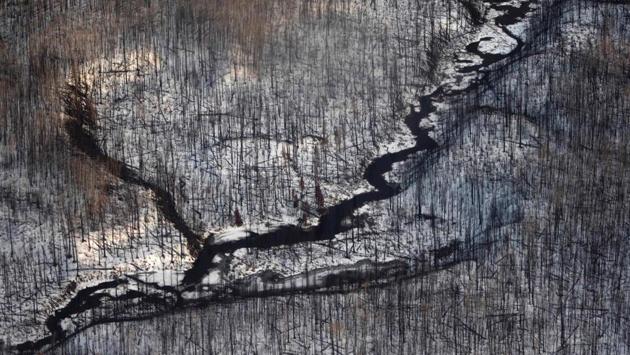
Dead trees are seen in this aerial view pictured near Fort McMurray. The 2016 wildfires stopped nearly all oil sands extraction and refining for an entire month, slashing production by more than a million barrels of oil a day, or 0.4 percentage points of Canada’s gross domestic product, according to government statistics. (Robyn Beck/AFP)
9/14
 View Photos in a new improved layout
Published on May 01, 2017 9:08 AM
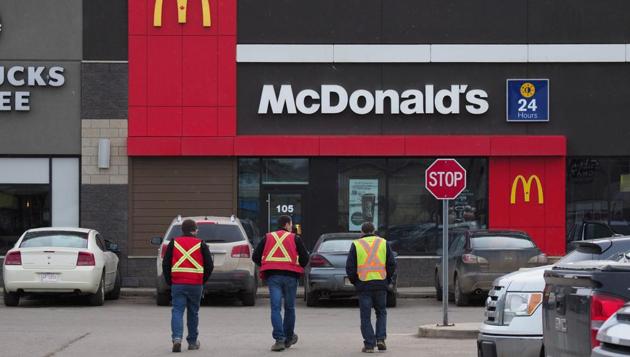
Construction workers enter a McDonald's. It brought to a standstill an oil rush that had started a decade earlier, when energy conglomerates including ExxonMobil, Shell, Statoil and Total bought up stakes while oil prices topped $100 a barrel. (Robyn Beck/AFP)
10/14
 View Photos in a new improved layout
Published on May 01, 2017 9:08 AM
A "For Sale" sign is seen in a residential neighborhood where houses are being rebuilt. At the heart of the oil patch, the city of Fort McMurray’s population exploded to nearly 100,000 as people from around the world came to the remote northern region hoping to make big bucks. (Robyn Beck/AFP)
11/14
 View Photos in a new improved layout
Published on May 01, 2017 9:08 AM
A truck with a sticker reading "For Mac Strong" offers encouragement at the site where homes are being rebuilt. However, this northern Eldorado would give way to gloom in 2014, when the oil bubble burst and Alberta was plunged into a long recession from which it is only now beginning to emerge. (Robyn Beck/AFP)
12/14
 View Photos in a new improved layout
Published on May 01, 2017 9:08 AM
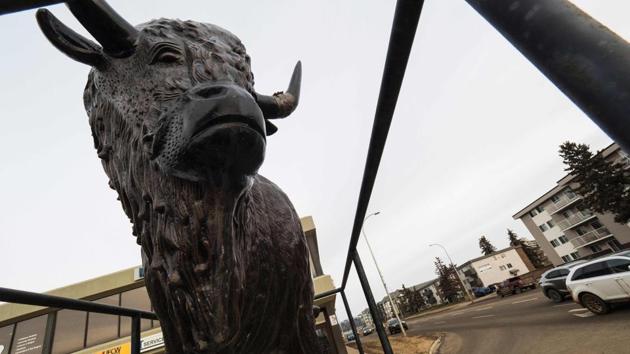
A statue of a bison is seen in the downtown area. Canadian Association of Petroleum Producers chief Tim McMillan lays the blame for the oil crash squarely on new fracking technologies that have enabled the United States to boost oil and gas production by exploiting shale deposits. (Robyn Beck/AFP)
13/14
 View Photos in a new improved layout
Published on May 01, 2017 9:08 AM
Homeowner Steven Menard displays his grandson's first ice skate blades and a mug with inspirational words - among the few items he was able to recover after his home was destroyed. The major Canadian firms Canadian Natural Resources and Cenovus have spent more than $30 billion to buy their assets. They are determined to increase oil sands output after the Canadian and US administrations recently approved new pipelines to the United States and coastal ports. (Robyn Beck/AFP)
14/14
 View Photos in a new improved layout
Published on May 01, 2017 9:08 AM


