
 E-Paper



Photos: A scramble to decipher Greenland’s fast-melting glaciers
Greenland is experiencing rapid melting of its glaciers. A team of scientists and researchers from New York University and NASA are studying the reasons behind this. The warmth at Greenland could be gauged by the fact that in the month of August, the scientists were working there without their coats and gloves. By the end of the summer, about 440 billion tons (400 billion metric tons) of ice — maybe more — will have melted or calved off Greenland's giant ice sheet, scientists estimate.
Updated on: Aug 24, 2019 9:02 PM IST

Share via


Copy link

1/10
 View Photos in a new improved layout
Updated on Aug 24, 2019 9:02 PM
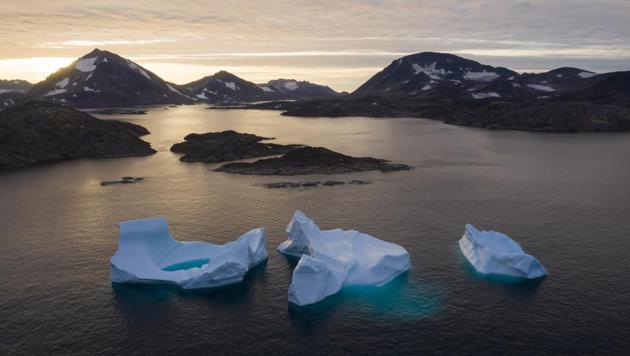
Large icebergs float away as the sun rises near Kulusuk, Greenland. Greenland's ice has been melting for more than 20 years, but in 2019, it's as if Earth's refrigerator door has been left open, and it means a potentially large rise in the world's sea levels. (Felipe Dana / AP)
2/10
 View Photos in a new improved layout
Updated on Aug 24, 2019 9:02 PM
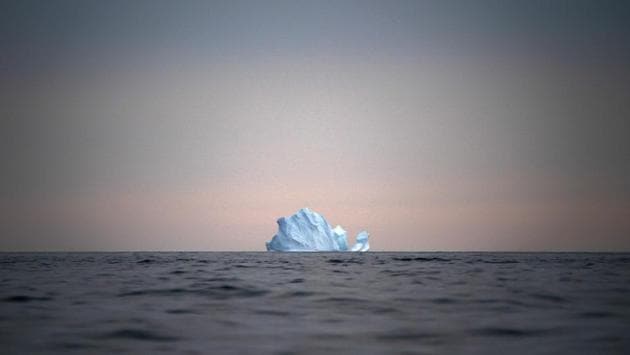
A large iceberg floats away as the sun sets near Kulusuk. New York University air and ocean scientist David Holland, who is tracking what’s happening in Greenland from both above and below, calls it “the end of the planet.” He and other scientists are hard at work, trying to understand the alarmingly rapid melting of the ice. (Felipe Dana / AP)
3/10
 View Photos in a new improved layout
Updated on Aug 24, 2019 9:02 PM
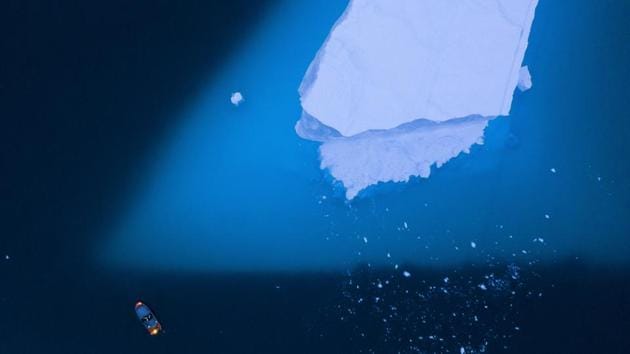
A boat navigates next to a large iceberg in eastern Greenland. Summer this year is hitting Greenland hard with record-shattering heat and extreme melt. By the end of the summer, about 440 billion tons (400 billion metric tons) of ice — maybe more — will have melted or calved off Greenland’s giant ice sheet, scientists estimate. That’s enough water to flood Pennsylvania or the country of Greece about a foot (35 centimetre) deep. (Felipe Dana / AP)
4/10
 View Photos in a new improved layout
Updated on Aug 24, 2019 9:02 PM
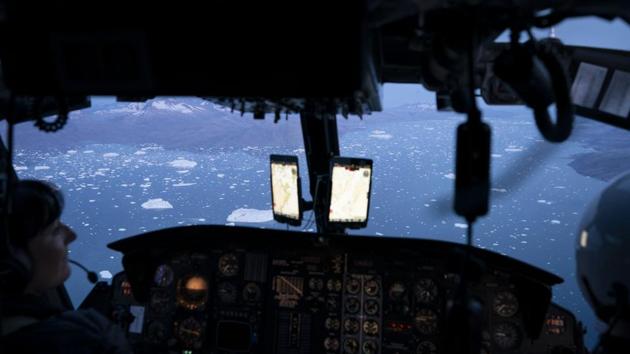
A helicopter flies over hundreds of icebergs floating near the Helheim glacier, in Greenland. The glacier, which is on the southeastern edge of the giant frozen island, is one of Greenland’s fastest-retreating glaciers. It has shrunk about 10 kilometre since scientists came here in 2005. (Felipe Dana / AP)
5/10
 View Photos in a new improved layout
Updated on Aug 24, 2019 9:02 PM
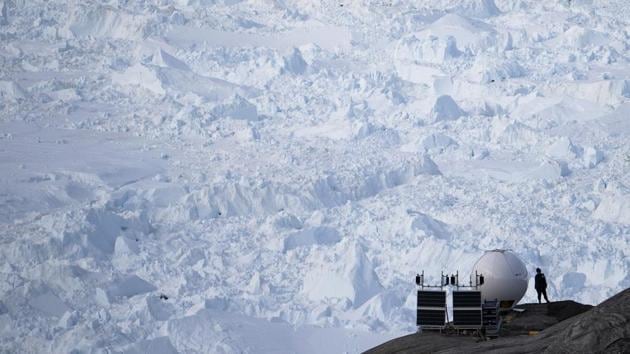
A woman stands next to an antenna at an NYU base camp at the Helheim glacier in Greenland. In just the five days from July 31 to August 3, more than 58 billion tons (53 billion metric tons) melted from the surface. That’s over 40 billion tons more than the average for this time of year. (Felipe Dana / AP)
6/10
 View Photos in a new improved layout
Updated on Aug 24, 2019 9:02 PM
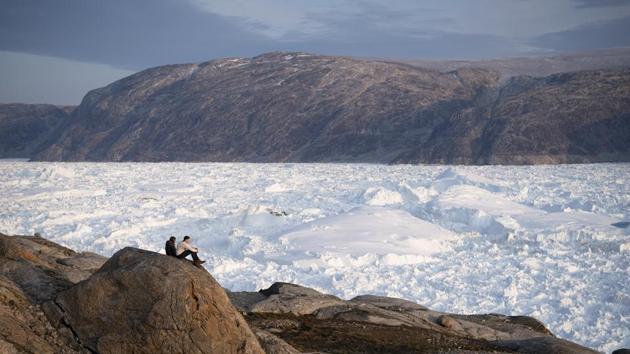
NYU student researchers sit on top of a rock overlooking the Helheim glacier in Greenland. Several scientists, such as NASA oceanographer Josh Willis, who is also in Greenland, studying melting ice from above, said what’s happening is a combination of man-made climate change and natural but weird weather patterns. Glaciers here do shrink in the summer and grow in the winter, but nothing like this year. (Felipe Dana / AP)
7/10
 View Photos in a new improved layout
Updated on Aug 24, 2019 9:02 PM
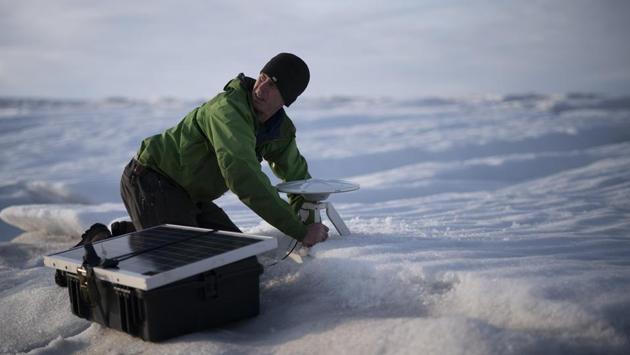
Brian Rougeux, NYU Field Safety Officer, installs a GPS antenna at the Helheim glacier. A NASA satellite found that Greenland’s ice sheet lost about 255 billion metric tons of ice a year between 2003 and 2016, with the loss rate generally getting worse over that period. Nearly all of the 28 Greenland glaciers that Danish climate scientist Ruth Mottram measured are retreating, especially Helheim. (Felipe Dana / AP)
8/10
 View Photos in a new improved layout
Updated on Aug 24, 2019 9:02 PM
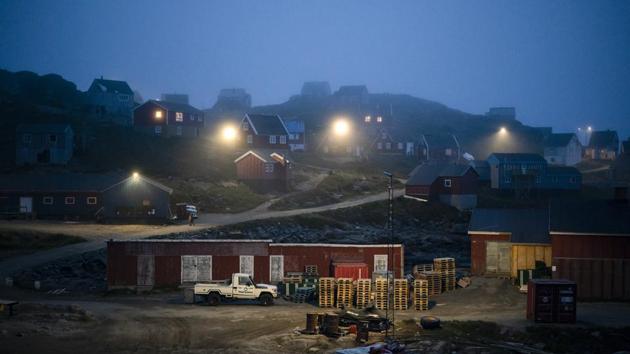
An early morning fog shrouds homes in Kulusuk. Mugu Utuaq, a resident of the town – that is a 40-minute helicopter ride from the Helheim glacier -- says the winter that used to last as much as 10 months when he was a boy can now be as short as five months. That matters to him because as the fourth-ranked dogsledder in Greenland, he has 23 dogs and needs to race them. (Felipe Dana / AP)
9/10
 View Photos in a new improved layout
Updated on Aug 24, 2019 9:02 PM
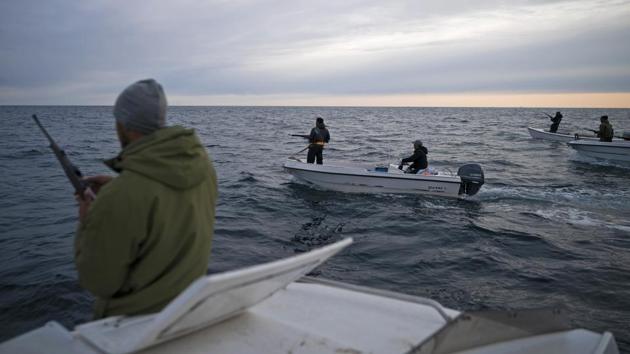
Mugu Utuaq, left, reloads his rifle as he rides with other boats hunting whales near Kulusuk. The dogs can’t race in the summer, but they still have to eat. So Utuaq and friends go whale hunting with rifles in small boats. “People are getting rid of their dogs because there’s no season,” said Yewlin, another resident. He used to run a sled dog team for tourists at a hotel in neighbouring Tasiilaq, but they no longer can do that. (Felipe Dana / AP)
10/10
 View Photos in a new improved layout
Updated on Aug 24, 2019 9:02 PM


