
 E-Paper



Photos: Elderly couple symbolise Spain’s depopulation
Nestled in a valley in the northeastern Aragon region and spread across the formerly arable land, the village of La Estrella in Spain is at the centre of a creeping population desert. Residents began abandoning these rural towns and villages to seek work in cities when the civil war ended in 1939, leaving behind an area twice the size of Belgium that is set to become the least populated in the European Union. In this eerily silent abandoned village, a couple who have spent more than thirty years alone in this village, go about their daily lives and live a solitary life.
Updated on: Jul 26, 2018 10:00 AM IST

Share via


Copy link

1/11
 View Photos in a new improved layout
Updated on Jul 26, 2018 10:00 AM
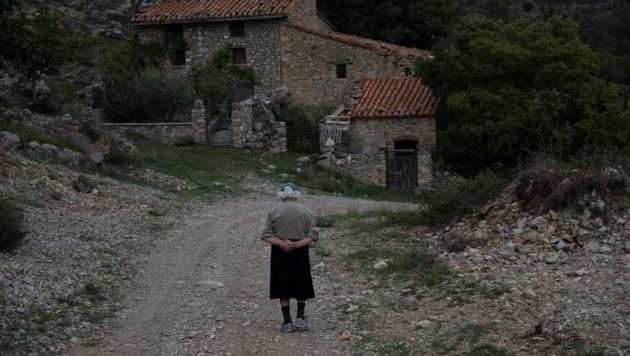
Sinforosa Sancho, 85, takes a walk in the empty village of La Estrella, Spain. For more than 30 years, Sinforosa and her husband Juan Martin Colomer have lived alone in the village in Spain's eastern highlands that once had more than 200 inhabitants. "Everyone has gone, we are the fools who have stayed," said Sinforosa. (Susana Vera / REUTERS)
2/11
 View Photos in a new improved layout
Updated on Jul 26, 2018 10:00 AM
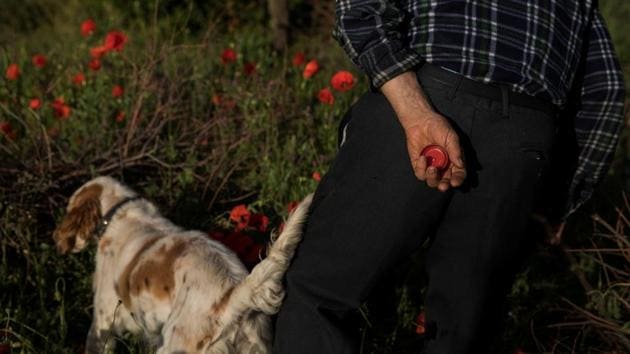
Juan Martin Colomer, 84, goes for a walk with one of his dogs in the village. (Susana Vera / REUTERS)
3/11
 View Photos in a new improved layout
Updated on Jul 26, 2018 10:00 AM
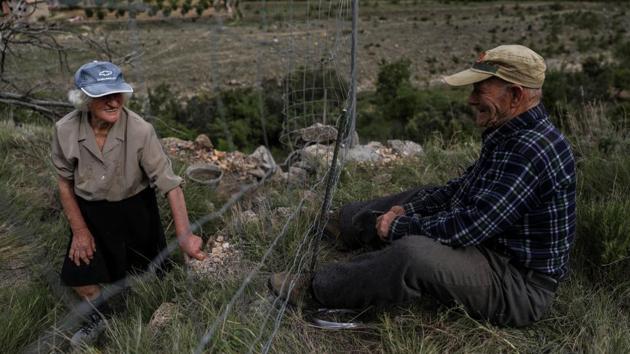
Colomer jokes with his wife as he sets up a fence around their field in the village. “We have always lived like this. When it’s cold, we make a fire. We sleep under blankets. You are here, you have chickens, rabbits, the land, and you manage,” said Colomers wife Sancho. (Susana Vera / REUTERS)
4/11
 View Photos in a new improved layout
Updated on Jul 26, 2018 10:00 AM
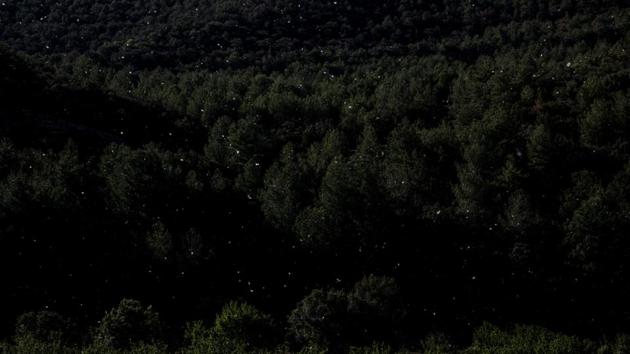
Nestled in a valley in the northeastern Aragon region, where pollen drifts over pine trees that have gradually spread across the formerly arable land, the village is at the centre of a creeping population desert. Residents began abandoning these rural towns and villages to seek work in cities when the civil war ended in 1939, leaving behind an area twice the size of Belgium that is set to become the least populated in the European Union. (Susana Vera / REUTERS)
5/11
 View Photos in a new improved layout
Updated on Jul 26, 2018 10:00 AM
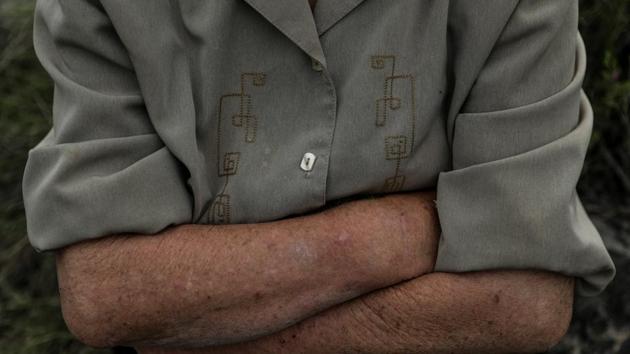
Sancho takes a break from helping her husband. There are fewer than eight inhabitants for every square kilometre, and those who remain are ageing, a drastic sample of a society where across Spain deaths outpaced births last year at the fastest rate since records began in 1941. (Susana Vera / REUTERS)
6/11
 View Photos in a new improved layout
Updated on Jul 26, 2018 10:00 AM
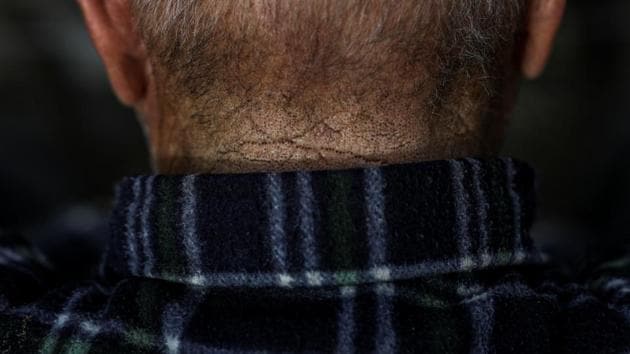
Their son, Vicente was the last child to live here, and he had to go to school in a nearby village after the local teacher left and his school closed.“If there are no children, there is no life,” said Colomer. (Susana Vera / REUTERS)
7/11
 View Photos in a new improved layout
Updated on Jul 26, 2018 10:00 AM
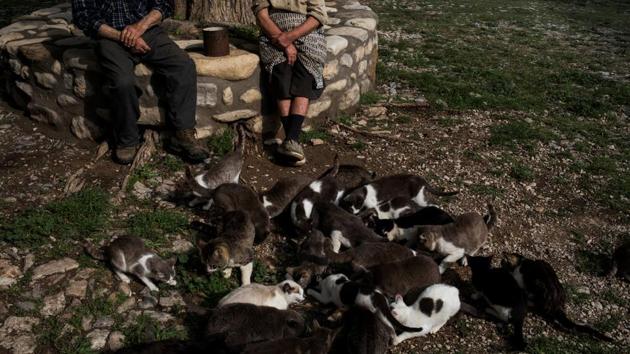
Sancho and her husband chat surrounded by their cats.The pair live on a pension of around 1,200 euros ($1,400) a month between them. They keep rabbits and hens for meat and eggs, and drive to a nearby town to buy other food which they cook on a butane stove or their open fire. (Susana Vera / REUTERS)
8/11
 View Photos in a new improved layout
Updated on Jul 26, 2018 10:00 AM
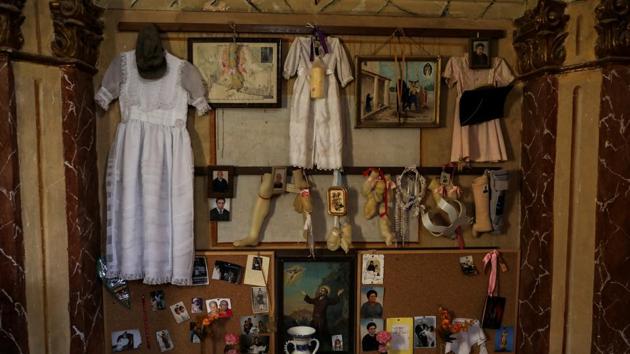
Offerings are seen behind the altar at the sanctuary in the village. Until 10 years ago they relied on oil lamps for the rare occasions they needed artificial light, but now they have solar panels to provide electricity. “We have never had a telephone line, and there is only a mobile signal in the cemetery,” Sancho said. (Susana Vera / REUTERS)
9/11
 View Photos in a new improved layout
Updated on Jul 26, 2018 10:00 AM
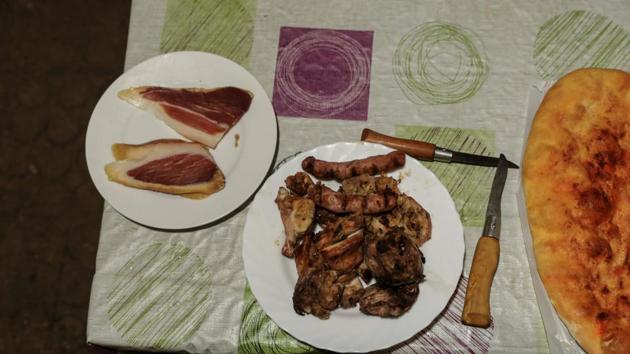
The couple prepares to eat dinner leftovers for lunch at their home. Neither do the pair miss society, and despite owning a house in nearby Villafranca, they only go there to visit Vicente and his family. (Susana Vera / REUTERS)
10/11
 View Photos in a new improved layout
Updated on Jul 26, 2018 10:00 AM
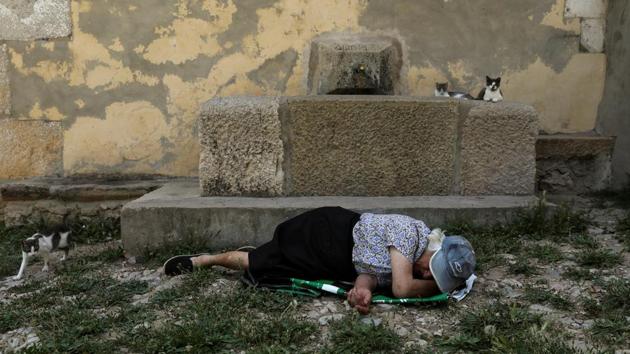
Sancho dozes off on the ground in the only square in the village. (Susana Vera / REUTERS)
11/11
 View Photos in a new improved layout
Updated on Jul 26, 2018 10:00 AM


