
 E-Paper



Photos: Artist in Lebanon turns shrapnel into sculptures
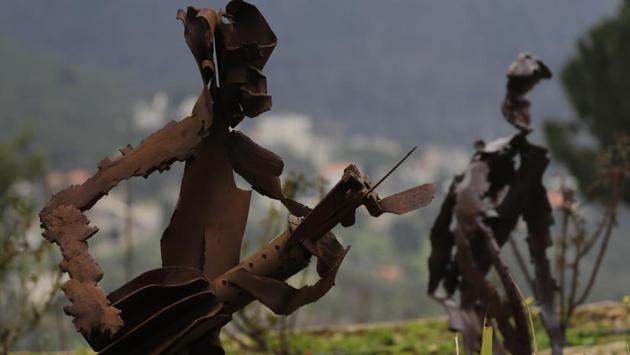
A series of conflicts have rocked the tiny multi-confessional country of Lebanon in recent decades. Metal rained down during the 1975-1990 civil war, the 2006 conflict between Lebanese Shiite movement Hezbollah and Israel, and during clashes in a Palestinian camp the following year. Forced to flee Lebanon during the civil war artist Charles Nassar has been transforming their dark, wrangled remains into sculptures using shrapnel to celebrate tradition and memory. He has worked the war detritus into 250 creations so far, selling 150 that he is now working to replace.
Updated on: Mar 18, 2019 10:41 AM IST

Share via


Copy link

1/8
 View Photos in a new improved layout
Updated on Mar 18, 2019 10:41 AM
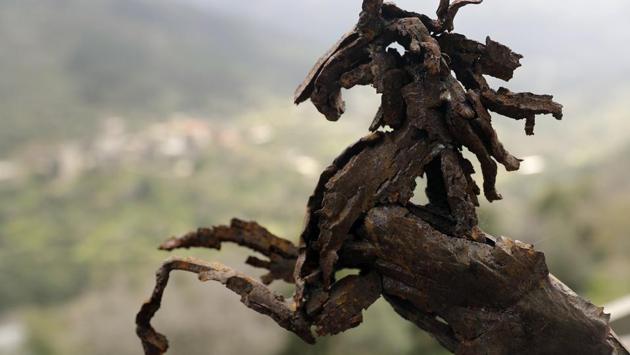
A sculpture in the likeness of a rearing horse made out of artillery shrapnels in the village of Remhala, south of Beirut, Lebanon. There is a violinist, a farmer tilling his field, and a cockerel with a propeller for a head. All were once rockets, artillery shells, or bullets falling on Lebanon’s battlefields. (Joseph Eid / AFP)
2/8
 View Photos in a new improved layout
Updated on Mar 18, 2019 10:41 AM
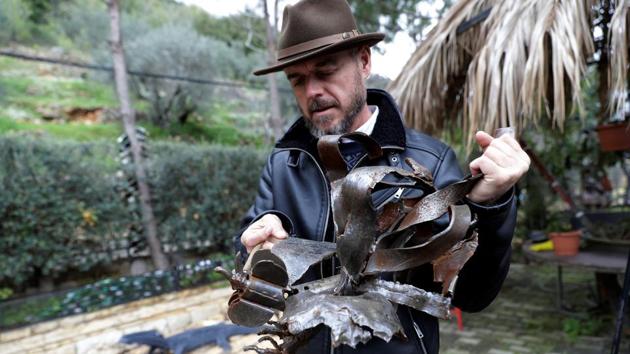
Lebanese Artist Charles Nassar inspects his sculptures in the village of Remhala. Artist Charles Nassar has been transforming their dark, wrangled remains into sculptures to celebrate tradition and memory. “I hate shrapnel, but I also love it at the same time,” said the 54-year-old with a neat salt-and-pepper beard, in a garden south of Beirut. (Joseph Eid / AFP)
3/8
 View Photos in a new improved layout
Updated on Mar 18, 2019 10:41 AM
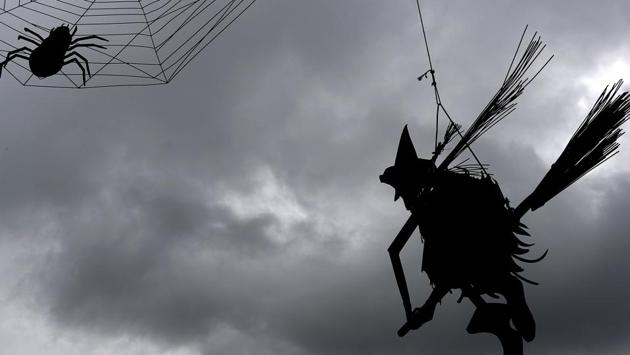
A spider in a cobweb and a witch on a broom, sculptures by Lebanese Artist Charles Nassar made out of artillery shrapnels. A series of conflicts have rocked the tiny multi-confessional country in recent decades. Metal rained down during the 1975-1990 civil war, the 2006 conflict between Lebanese Shiite movement Hezbollah and Israel, and during clashes in a Palestinian camp the following year. (Joseph Eid / AFP)
4/8
 View Photos in a new improved layout
Updated on Mar 18, 2019 10:41 AM
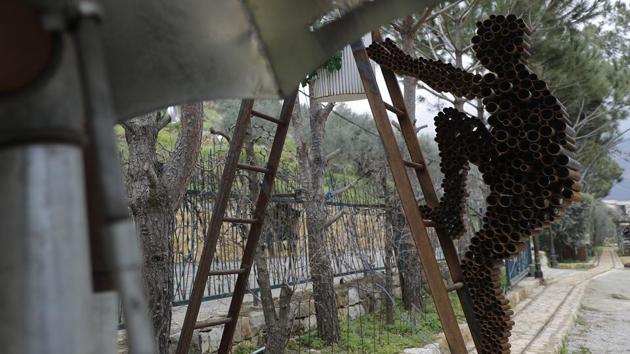
A sculpture depicts a man made out of artillery casings climbing a ladder. Nassar was forced to flee Lebanon during the civil war, and his grandmother was killed in the violence. But she and other characters of the artist’s past live on, displayed in the nooks and crannies of his garden in the village of Remhala. (Joseph Eid / AFP)
5/8
 View Photos in a new improved layout
Updated on Mar 18, 2019 10:41 AM
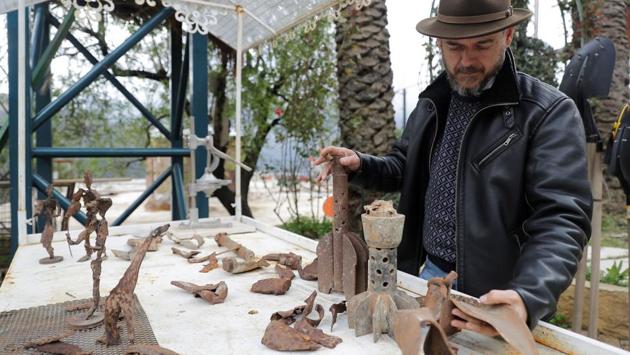
Charles Nassar inspects his sculptures and collected pieces of shrapnel for his projects. “The shrapnel takes on shapes in my mind... They guide me to what I should do with them,” said the artist. Nassar first created his metal sculptures in Beirut, but after the war he decided to display them on land he owned in Remhala. (Joseph Eid / AFP)
6/8
 View Photos in a new improved layout
Updated on Mar 18, 2019 10:41 AM
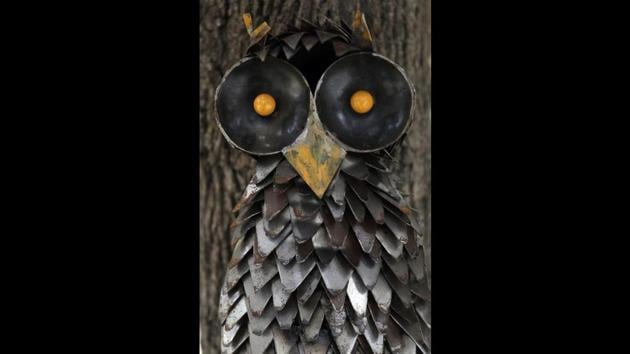
Nassar has worked the war detritus into 250 creations so far, selling 150 that he is now working to replace. “I don’t want to remind people of war,” Nassar said. (Joseph Eid / AFP)
7/8
 View Photos in a new improved layout
Updated on Mar 18, 2019 10:41 AM
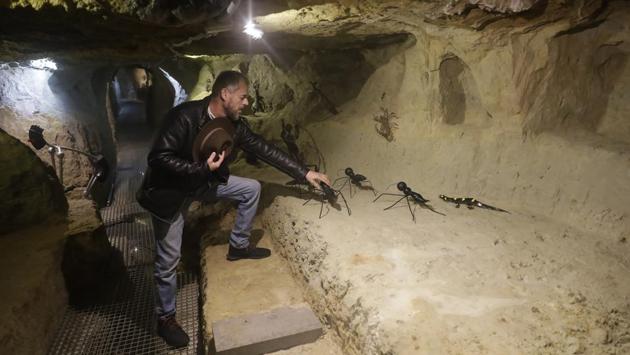
Artist Charles Nassar arranges sculptures of giant ants in his compound in Remhala. Instead, the idea is that “anybody who was bothered by an artillery shell starts to like it,” he added. “I’m trying to turn black into white, something negative into something positive.” (Joseph Eid / AFP)
8/8
 View Photos in a new improved layout
Updated on Mar 18, 2019 10:41 AM


