
 E-Paper



Photos: As US immigration debate rages, ‘Dreamers’ await their fate
Reuters spoke to five people covered by the Deferred Action for Childhood Arrivals, or DACA program. Many older members nicknamed "Dreamers," balance college and jobs amid a looming March 5 deadline set by Trump to repeal the program unless Congress preserves it.
Updated on: Feb 01, 2018 9:18 AM IST

Share via


Copy link

1/9
 View Photos in a new improved layout
Updated on Feb 01, 2018 9:18 AM
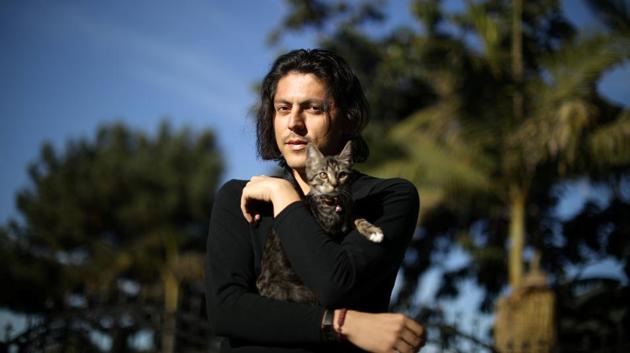
As US President Donald Trump and the Congress discuss the fate of some 700,000 “Dreamers” brought to the country illegally as children, the young people whose lives hang in the balance fret about their future. DACA recipient Javier Hernandez Kistte, 27 is a UC Irvine graduate who works for in visual effects. Hernandez Kistte said that DACA allowed him and his brother to finish their degrees by allowing them to work to pay for tuition. (Lucy Nicholson / REUTERS)
2/9
 View Photos in a new improved layout
Updated on Feb 01, 2018 9:18 AM
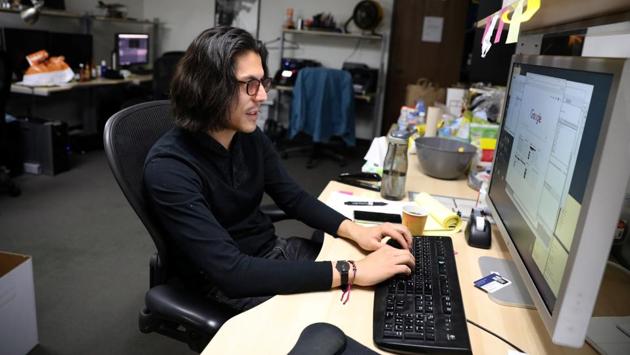
“My parents are still undocumented and as a family we struggle with the anxiety that it’s possible for them to get deported at any moment... I’ve heard of people who are willing to negotiate terms that will give us the right to be here, give us DACA, but will make life a living nightmare for other people and I don’t want that,” Hernandez Kistte said. (Lucy Nicholson / REUTERS)
3/9
 View Photos in a new improved layout
Updated on Feb 01, 2018 9:18 AM
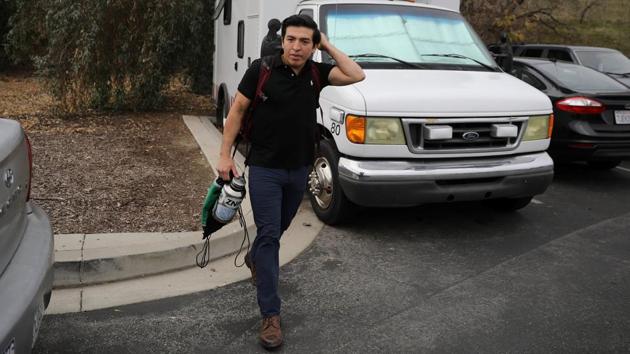
Brian Caballero, 25, lives in a converted ambulance on the California State Polytechnic University campus, where he is pursuing a degree. His concerns about DACA extend to employment: “When I finally graduate, not being able to be employed, terrifies me... The vast majority of people who are unauthorised in this country... are like me: here, trying to seek an education and just trying to improve their lives.” (Lucy Nicholson / REUTERS)
4/9
 View Photos in a new improved layout
Updated on Feb 01, 2018 9:18 AM
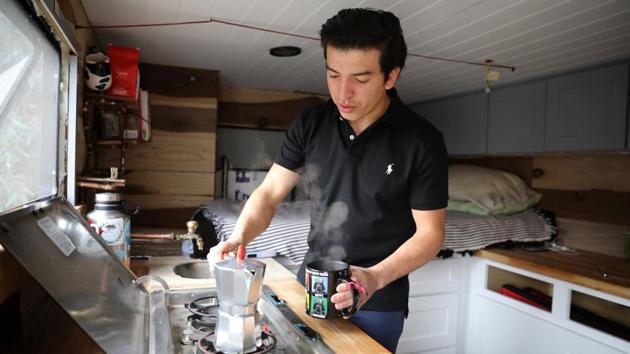
Brian Caballero prepares morning coffee in his home. Trump wants tighter restrictions on immigration that he deems necessary to improve national security and protect American jobs. Supporters of the DACA program say eliminating it would punish people who were too young to know the consequences of their family’s decision to move to the US and remove productive people from the economy. (Lucy Nicholson / REUTERS)
5/9
![Karla Estrada, 26, is a paralegal preparing for law school. “DACA has always been very problematic and temporary. It has given us the liberty to work, legally, without fear that in three months we’re going to get fired because we have no social [security number]... I think it’s important for all recipients to understand that DACA... does not define who you are as a human being and does not give you any more or any less dignity,” she said. (Lucy Nicholson / REUTERS)](https://images.hindustantimes.com/rf/image_size_630x354/HT/p2/2018/01/31/Pictures/await-wider-image-dreamers-immigration-debate-rages_ad16e45c-066a-11e8-8132-ce8c29606b52.jpg "Karla Estrada, 26, is a paralegal preparing for law school. “DACA has always been very problematic and temporary. It has given us the liberty to work, legally, without fear that in three months we’re going to get fired because we have no social [security number]... I think it’s important for all recipients to understand that DACA... does not define who you are as a human being and does not give you any more or any less dignity,” she said. (Lucy Nicholson / REUTERS)") View Photos in a new improved layout
View Photos in a new improved layoutUpdated on Feb 01, 2018 9:18 AM
Karla Estrada, 26, is a paralegal preparing for law school. “DACA has always been very problematic and temporary. It has given us the liberty to work, legally, without fear that in three months we’re going to get fired because we have no social [security number]... I think it’s important for all recipients to understand that DACA... does not define who you are as a human being and does not give you any more or any less dignity,” she said. (Lucy Nicholson / REUTERS)
6/9
 View Photos in a new improved layout
Updated on Feb 01, 2018 9:18 AM
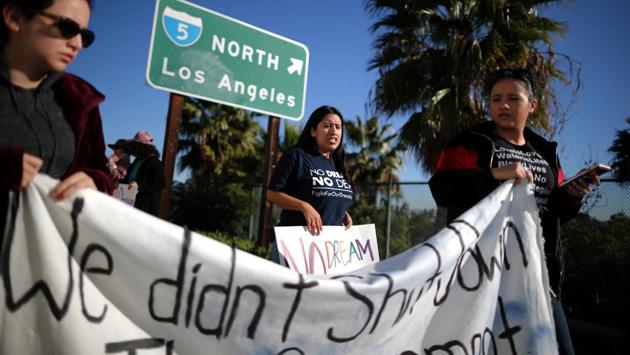
Barbara Hernandez (C), 26, participates in a protest for a clean Dream Act. Living under the radar, several of the young people recalled impoverished neighborhoods, and seeing family members suffer depression or abuse drugs. Hernandez lost a brother to gang violence. “That threw our family into a really big depression and my mom and my dad separated,” she said. DACA allowed her to work in education. (Lucy Nicholson / REUTERS)
7/9
 View Photos in a new improved layout
Updated on Feb 01, 2018 9:18 AM
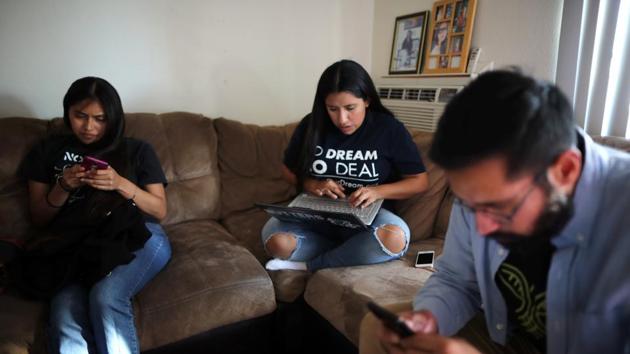
Barbara Hernandez helps plan a protest. “That was the most rewarding and loving job I have ever had. But with this administration and the repeal of DACA... I was very scared. I was thrown into this panic stage; I was depressed... I'm concerned about how DACA recipients are feeling, their mental state... I would like to see permanent protection for not only us, DACA recipients, but for all eleven million immigrants," Hernandez said. (Lucy Nicholson / REUTERS)
8/9
 View Photos in a new improved layout
Updated on Feb 01, 2018 9:18 AM
Martha Valenzuela, 23, leaves her office at lunchtime in Orange, California. Valenzuela’s mother crossed the Arizona desert to join her and her father in the US when she heard about Trump rescinding DACA. Valenzuela said: “It broke me... It’s traumatising... because I’ve lived in this country for 21 years... We all want a pathway to citizenship. We all want permanent protection for us and our families.” (Lucy Nicholson / REUTERS)
9/9
 View Photos in a new improved layout
Updated on Feb 01, 2018 9:18 AM


